


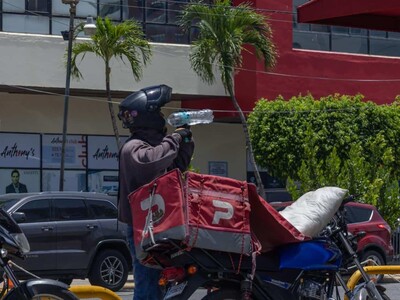
Dominican Republic braces for suffocating heat and high temperatures
Translated from Spanish, summarized and contextualized by DistantNews.
At a glance
News
Official statement
New plan
- The Dominican Republic is bracing for intense heat and high temperatures from Wednesday until August 18.
- The heatwave is attributed to the hottest time of year, easterly winds, El Niño effects, and Saharan dust.
- Authorities advise residents to stay hydrated, wear light clothing, and avoid direct sun exposure during peak hours.
Much of the Dominican Republic is set to experience "suffocating heat" and high temperatures, with the Dominican Institute of Meteorology (Indomet) issuing a warning that is expected to last until August 18. This intense heat is linked to the peak of the warmest season, prevailing winds from the east and southeast, and the influence of El Niño.
Adding to the discomfort, Saharan dust is also forecast to affect the country until Monday. Indomet forecasts a high probability of temperatures exceeding 33°C for at least three consecutive days across most of the nation. Certain areas, particularly in the north and west, could see temperatures soar above 37°C, with potential for severe conditions.
Suffocating heat is expected over a large part of the Dominican Republic.
Recent days have already seen extreme temperatures, with readings reaching up to 39.0°C in Jimaní and 37.7°C in Monción. In response to the anticipated heatwave, officials are urging the public to take precautions. Recommendations include staying constantly hydrated, wearing lightweight and light-colored clothing, seeking cool environments, and avoiding prolonged direct sun exposure, especially between 11:00 a.m. and 4:00 p.m. Special attention is advised for vulnerable groups, including those with respiratory illnesses, the elderly, children, and pregnant women, to be vigilant and monitor official updates.
We foresee possible severe conditions, mainly in the north and west of the national territory.
DistantNews Editorial
Originally published by Diario Libre in Spanish. Translated, summarized, and contextualized by our editorial team with added local perspective. Read our editorial standards.
More Stories
From Our Blog

What Gets Lost (and Found) When News Is Translated

The Critical Role of Diaspora Media in Global News

What Travellers Should Know About Countries with Restricted Press

A Digital Nomad's Guide to Following Local News

How the Same Story Looks Different in Different Countries
