


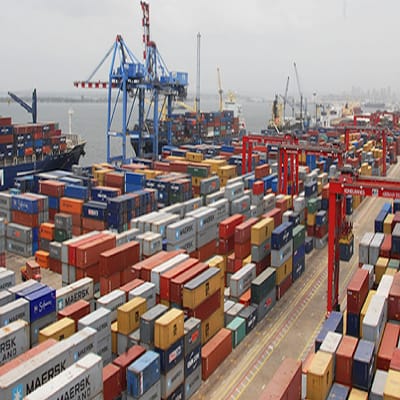
Douala Port Surpasses 50,000 Tons in Transit Traffic to Niger, Eyeing Sahelian Corridors
Translated from French, summarized and contextualized by DistantNews.
TLDR
- The port of Douala has surpassed 50,000 tons in transit traffic to Niger in 2025, a new record.
- This milestone, though modest compared to the port's overall traffic, signifies a strategic push to capture more of the Sahelian corridor market.
- Douala aims to strengthen its logistical position in competitive Sahelian markets by improving costs, delivery times, and reliability.
The port of Douala is making significant strides in its ambition to become a key logistical hub for landlocked Sahelian countries. The recent achievement of exceeding 50,000 tons in transit traffic to Niger in 2025 marks a new record and underscores the port's strategic focus on this vital corridor.
While this volume represents a small fraction of Douala's total transit traffic, its symbolic importance cannot be overstated. In the competitive landscape of West African ports, every tonne counts. This achievement sends a clear message that Douala is determined to increase its share of regional trade flows.
The success is not just about immediate volumes but about consolidating a strategic logistical position. The Sahelian markets are fiercely contested, with costs, transit times, and reliability being critical factors. By demonstrating its capacity to handle increased traffic, Douala is positioning itself as a preferred gateway for these landlocked nations.
This development is particularly noteworthy for Cameroon, as it highlights the nation's efforts to leverage its port infrastructure for regional economic integration. It reflects a broader strategy to enhance trade connectivity and economic growth within the sub-region, moving beyond national borders to foster greater economic interdependence.
Avec plus de 50 000 tonnes en 2025, le trafic en transit vers le Niger via le port de Douala atteint un niveau inédit.
DistantNews Editorial
Originally published by Journal du Cameroun in French. Translated, summarized, and contextualized by our editorial team with added local perspective. Read our editorial standards.
More Stories



From Our Blog

What Gets Lost (and Found) When News Is Translated

The Critical Role of Diaspora Media in Global News

What Travellers Should Know About Countries with Restricted Press

A Digital Nomad's Guide to Following Local News

How the Same Story Looks Different in Different Countries
