


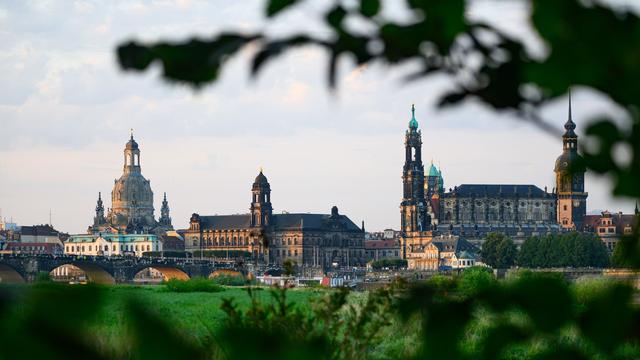
Dresden City Council Halts Austerity Plan, Spending Freeze Remains
Translated from German, summarized and contextualized by DistantNews.
TLDR
- The Dresden City Council rejected a supplementary budget for 2026, maintaining the existing spending freeze.
- The rejected budget aimed to address a deficit of approximately 144 million euros through savings and deferred investments.
- The decision means new investments in areas like schools and roads cannot begin, with funds only available for mandatory tasks and ongoing projects.
Dresden's city council has thrown a wrench into the administrative gears, rejecting a crucial supplementary budget for 2026. This move means the spending freeze imposed in September remains firmly in place, signaling a period of significant fiscal constraint for the city. The administration, led by Mayor Dirk Hilbert, had proposed the budget to tackle a structural deficit of around 144 million euros, primarily through cuts to voluntary services and postponed investments. However, the council's refusal indicates a deep division on how to navigate these financial challenges.
Political infighting appears to be a major factor. The Green Party faction decried the outcome as a "deliberately accepted standstill." Meanwhile, the CDU and SPD blocs are accused by the Greens of unnecessarily escalating negotiations, particularly concerning funds for district councils and local communities. The rejection now puts vital funding for cultural initiatives and youth work, such as the "Moosmutzelhaus" youth center, in jeopardy. The council's internal maneuvering and last-minute amendments seem to have derailed the budget process entirely.
deliberately accepted standstill
The SPD faction, in particular, voiced strong objections to what they perceived as an unfair distribution of austerity measures. They argued that while district budgets faced cuts, local communities were spared, violating their principle of equitable burden-sharing. This internal discord highlights the difficulty in finding consensus on fiscal policy, especially when it involves unpopular cuts. The consequence is a return to a rigid spending freeze, severely limiting Dresden's ability to undertake new investments in essential infrastructure like schools and roads. Only legally mandated tasks and already initiated construction projects will receive funding, with any exceptions requiring cumbersome approval from the finance department.
But for us, a fair distribution of burdens is indispensable.
DistantNews Editorial
Originally published by Die Zeit in German. Translated, summarized, and contextualized by our editorial team with added local perspective. Read our editorial standards.
More Stories



From Our Blog

What Gets Lost (and Found) When News Is Translated

How the Same Story Looks Different in Different Countries

The Critical Role of Diaspora Media in Global News

What Travellers Should Know About Countries with Restricted Press

A Digital Nomad's Guide to Following Local News
