


Drought Expands and Begins to Impact Agriculture
Summarized and contextualized by DistantNews.
At a glance
News
Sources not specified
Context piece
- Drought conditions are increasingly affecting agricultural areas in West Java, Central Java, and South Kalimantan, Indonesia.
- Farmers are adapting by using water pumps and deep wells, with the government implementing mitigation measures against El Nino.
- The Ministry of Agriculture reports that current drought mitigation is more effective than in 2015, maintaining national food production.
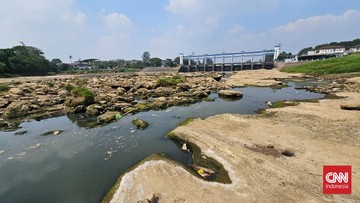
Indonesia is grappling with expanding drought conditions that are beginning to impact key agricultural regions across West Java, Central Java, and South Kalimantan. The intensifying dry season has led to water scarcity in areas like Indramayu and Subang districts in West Java, and Banjar, Tanah Laut, and Tanah Bumbu Pagatan in South Kalimantan.
Farmers are employing adaptive strategies to combat the effects of the drought. Mohammad Yadi Sofyan Noor, Chairman of the General Contact of Andalan Fishermen Farmers (KTNA), stated that if water sources remain, farmers utilize water pump machines. When resources dwindle, deep wells become an alternative, and in severe cases, water needs are met with water tank trucks to sustain crops.
To deal with the effects of drought, KTNA has become accustomed to adapting. If there is still a water source, then we use the water pump machine that is already available.
The Ministry of Agriculture has outlined comprehensive mitigation measures to address potential drought impacts from the dry season and the threat of El Nino, aiming to maintain national food production. Deputy Agriculture Minister Sudaryono highlighted strategies such as early warning systems, strengthening water infrastructure, irrigation rehabilitation, providing drought-resistant seeds, and coordinating with various government bodies.
Sudaryono emphasized the effectiveness of these measures, noting that the area affected by El Nino as of July 2026 is significantly lower than in 2015. The ministry is also accelerating the provision of agricultural tools and machinery to optimize land productivity and suppress crop failure risks, thereby safeguarding national food security and self-sufficiency targets amid climate change threats.
The data shows that the mitigation efforts we are undertaking are effective. The area affected by El Nino until July 2026 is about 12,000 hectares, much lower than in 2015, which reached about 217,000 hectares.
DistantNews Editorial
Originally published by Republika. Summarized and contextualized by our editorial team with added local perspective. Read our editorial standards.
More Stories


From Our Blog

What Gets Lost (and Found) When News Is Translated

The Critical Role of Diaspora Media in Global News

What Travellers Should Know About Countries with Restricted Press

A Digital Nomad's Guide to Following Local News

How the Same Story Looks Different in Different Countries
