

Drought Is Hitting Europe. Some Farmland Could Become Unfit for Crops
Translated from Polish and summarized by DistantNews. Read the original for the full story.
At a glance
Interview
Named sources
Context piece
- European Environment Agency Director Leena Yla-Mononen warned that worsening drought, heat and water shortages could make some European farmland unusable.
- Droughts have disrupted agriculture, transport and energy infrastructure, while smaller harvests could affect Europe’s food security during winter.
- The EEA estimates climate adaptation for transport, energy and agriculture could cost between 53 billion and 137 billion euros annually by 2050, depending on warming levels.
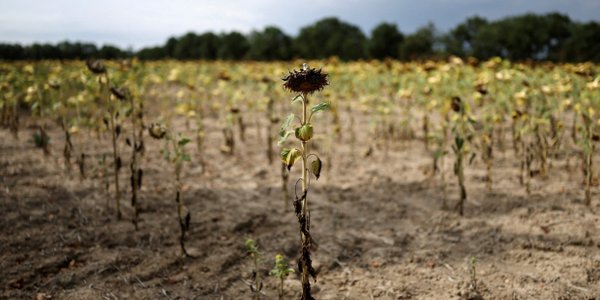
Europe’s worsening droughts could eventually take farmland out of production, particularly in the driest parts of the Mediterranean basin. Leena Yla-Mononen, director of the European Environment Agency, said rising heat and water shortages may leave some areas unable to support crops.
More irrigation will not necessarily solve the problem. In many regions, water itself could become scarce. Yla-Mononen described the summer as “the clearest illustration” of the challenges facing Europe, saying severe drought disrupted farming, transport and even energy infrastructure.
This summer was the clearest illustration of the challenges Europe is facing.
Heatwaves also affected infrastructure, health and residents’ well-being across much of the continent. This year’s harvests are smaller, she said, potentially affecting food security over the winter. She pointed to difficult conditions in Ukraine and Hungary, along with exceptionally dry weather in the United Kingdom and Finland.
Severe droughts disrupted agriculture, transport and even energy infrastructure.
Northern Europe may become suitable for growing some new plant species, but Yla-Mononen said that change is unlikely to compensate for repeated losses from droughts, floods and other extreme weather elsewhere. She urged European policymakers to abandon short-term thinking and account for climate risks that can already be anticipated when making investment decisions. Infrastructure and agricultural planning, she said, should look 10, 20 or even 50 years ahead.
An EEA analysis published in March found that drought currently accounts for 54% of agricultural losses in the European Union. Heavy rainfall accounts for 21%, frost for 16% and hail for 9%, with the four hazards together responsible for 80% of agricultural losses. The agency estimates adapting transport, energy and agriculture to climate change could cost 53 billion to 137 billion euros a year by 2050, depending on the temperature-growth scenario.
This short-term approach will not help us.
About this summary
Originally published by Rzeczpospolita in Polish. Translated, summarized, and contextualized automatically by DistantNews, with a note on how the source frames the story. Not individually reviewed before publishing. How this works.
More Stories


From Our Blog

What Gets Lost (and Found) When News Is Translated

The Critical Role of Diaspora Media in Global News

What Travellers Should Know About Countries with Restricted Press

A Digital Nomad's Guide to Following Local News

How the Same Story Looks Different in Different Countries
