

Eastern Gateway to Ho Chi Minh City Gridlocked on First Day of Public Holiday
Translated from Vietnamese and summarized by DistantNews. Read the original for the full story.
At a glance
News
Sources not specified
Ongoing story
- On the first day of the September 2 public holiday, the eastern gateway of Ho Chi Minh City experienced severe traffic congestion due to a high volume of vehicles.
- Thousands of residents faced difficulties leaving the city for their hometowns or travel destinations amid heavy traffic.
- Authorities deployed traffic police to manage the flow, with temporary closures of highway entrances to alleviate the gridlock.
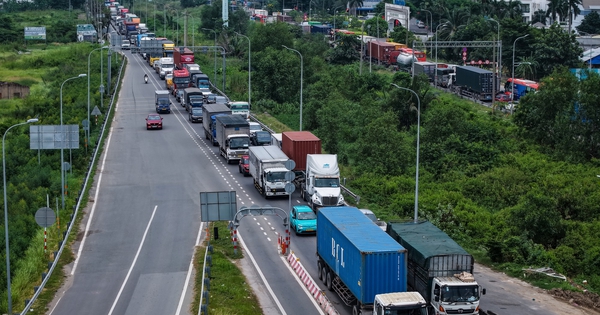
The eastern gateway of Ho Chi Minh City became a scene of prolonged traffic jams on August 29, the first day of the extended September 2 public holiday. A surge in vehicles heading out of the city towards eastern provinces, central Vietnam, and the Central Highlands led to miles-long queues on routes like Vo Chi Cong Street (Ring Road 2).
This critical artery connects the eastern part of the city to the Ho Chi Minh City - Long Thanh - Dau Giay Expressway. The sheer volume of traffic, with vehicles moving at a crawl, caused immense frustration for drivers. Some reported spending nearly an hour navigating just the Phu Huu roundabout to access the expressway.
Traffic police were actively deployed at key points, including the Phu Huu roundabout and the expressway entrance, to direct and manage the flow. At one point, the entrance to the Ho Chi Minh City - Long Thanh - Dau Giay Expressway was temporarily closed to help ease the severe congestion building up.
The five-day holiday, running from August 29 to September 2, saw thousands of people seizing the opportunity to travel. This resulted in a significant, sudden increase in traffic at the city's gateways, impacting both those leaving and entering the city.
It took nearly an hour of struggling to inch forward in the Phu Huu roundabout area to get onto the Ho Chi Minh City - Long Thanh - Dau Giay Expressway.
About this summary
Originally published by Thanh Niên in Vietnamese. Translated, summarized, and contextualized automatically by DistantNews, with a note on how the source frames the story. Not individually reviewed before publishing. How this works.
More Stories

From Our Blog

What Gets Lost (and Found) When News Is Translated

The Critical Role of Diaspora Media in Global News

What Travellers Should Know About Countries with Restricted Press

A Digital Nomad's Guide to Following Local News

How the Same Story Looks Different in Different Countries
