


Economic crisis: Dare to be more patient
Translated from German, summarized and contextualized by DistantNews.
TLDR
- Germany's government is pushing forward with multiple reforms, including health, tax, social, and pension systems.
- Despite significant reform activity, the government's public approval appears to be declining.
- The article suggests a potential correlation between increased reform efforts and decreased public standing, noting that reformers are rarely celebrated by the populace.
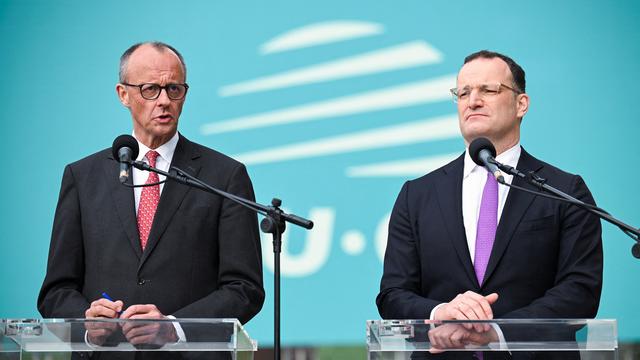
In Germany, a curious paradox is unfolding: the government, often criticized for inaction, is now embarking on a raft of ambitious reforms across critical sectors like health, taxation, social welfare, and pensions. This flurry of legislative activity, which is set to unfold sequentially throughout the year, stands in stark contrast to the narrative of governmental paralysis that some political figures, notably Friedrich Merz of the CDU, have sought to promote. It seems the administration is determined to demonstrate its capacity for action, even if it means tackling complex and potentially unpopular changes.
However, this surge in reformist zeal appears to be inversely correlated with the government's public standing. As the pace of proposed changes quickens, the government's approval ratings seem to falter. This phenomenon is not unique to the current administration; history offers few examples of politicians who have been widely celebrated for implementing reforms. Figures like former Chancellor Gerhard Schröder, who spearheaded significant labor market reforms (Agenda 2010), faced considerable public backlash despite the long-term economic benefits that many now acknowledge.
This suggests a fundamental tension in democratic politics: the public may broadly desire reform, particularly when presented as a package, but simultaneously resists changes that directly affect them. The article posits that the government's current predicament – pushing through necessary but potentially disruptive reforms while grappling with declining popularity – is a familiar challenge. It raises the question of whether the current administration can navigate this difficult path, balancing the need for structural change with the imperative of public acceptance, or if it will succumb to the inherent unpopularity that often accompanies the role of a reformer.
DistantNews Editorial
Originally published by Die Zeit in German. Translated, summarized, and contextualized by our editorial team with added local perspective. Read our editorial standards.
More Stories


From Our Blog

What Gets Lost (and Found) When News Is Translated

How the Same Story Looks Different in Different Countries

The Critical Role of Diaspora Media in Global News

What Travellers Should Know About Countries with Restricted Press

A Digital Nomad's Guide to Following Local News
