

Economic Shocks Could Push 20 Million Africans Into Hunger, IMF Warns
Translated from English, summarized and contextualized by DistantNews.
TLDR
- The International Monetary Fund (IMF) warns that economic shocks could lead to widespread hunger across Africa.
- An estimated 20 million Africans may face food insecurity due to these economic disruptions.
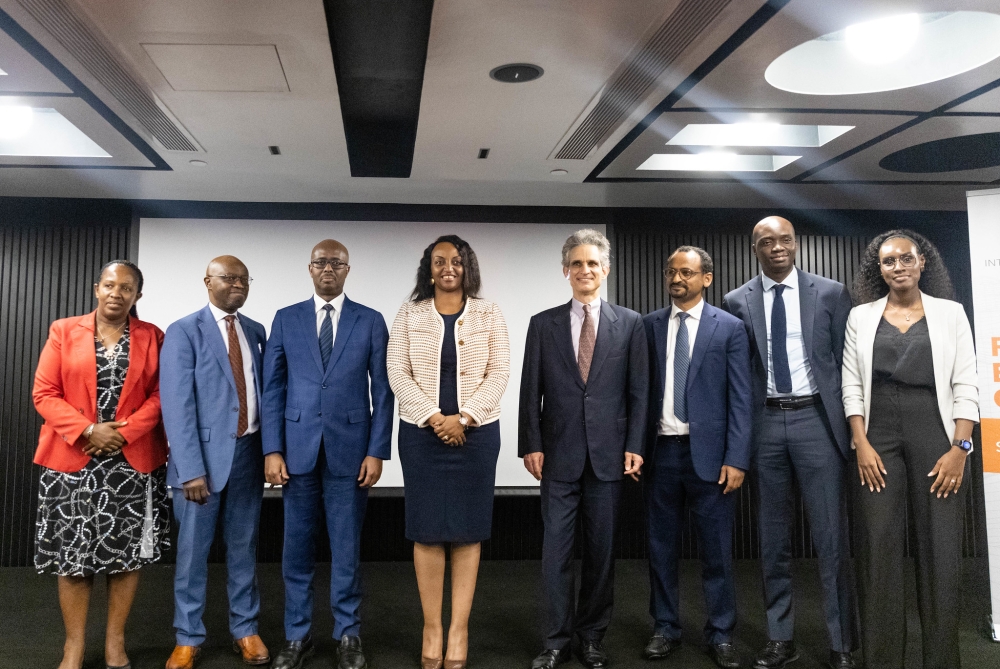
- The warning was issued during an event in Kigali, Rwanda, where IMF officials discussed economic challenges facing the continent.
The New Times reports on a stark warning issued by the International Monetary Fund (IMF) regarding the potential for widespread hunger in Africa. Officials from the IMF, including advisor Montfort Mlachila at the African Department, convened in Kigali, Rwanda, to discuss the continent's economic vulnerabilities. The core of the warning is that escalating economic shocks—likely stemming from global instability, climate change impacts, and internal economic pressures—could push an additional 20 million Africans into food insecurity. This figure underscores the precariousness of the food supply chain for millions across the continent, where many economies are still recovering from previous crises or are heavily reliant on agriculture susceptible to environmental and market volatility. The IMF's assessment highlights the interconnectedness of economic stability and basic human needs, emphasizing that without robust economic resilience, the risk of humanitarian crises, particularly hunger, remains exceptionally high. The discussion in Kigali serves as a critical call to action for African nations and international partners to strengthen economic frameworks and implement measures to mitigate these risks and protect vulnerable populations from the devastating consequences of food scarcity.
DistantNews Editorial
Originally published by The New Times in English. Translated, summarized, and contextualized by our editorial team with added local perspective. Read our editorial standards.
More Stories

From Our Blog

What Gets Lost (and Found) When News Is Translated

The Critical Role of Diaspora Media in Global News

What Travellers Should Know About Countries with Restricted Press

A Digital Nomad's Guide to Following Local News

How the Same Story Looks Different in Different Countries
