


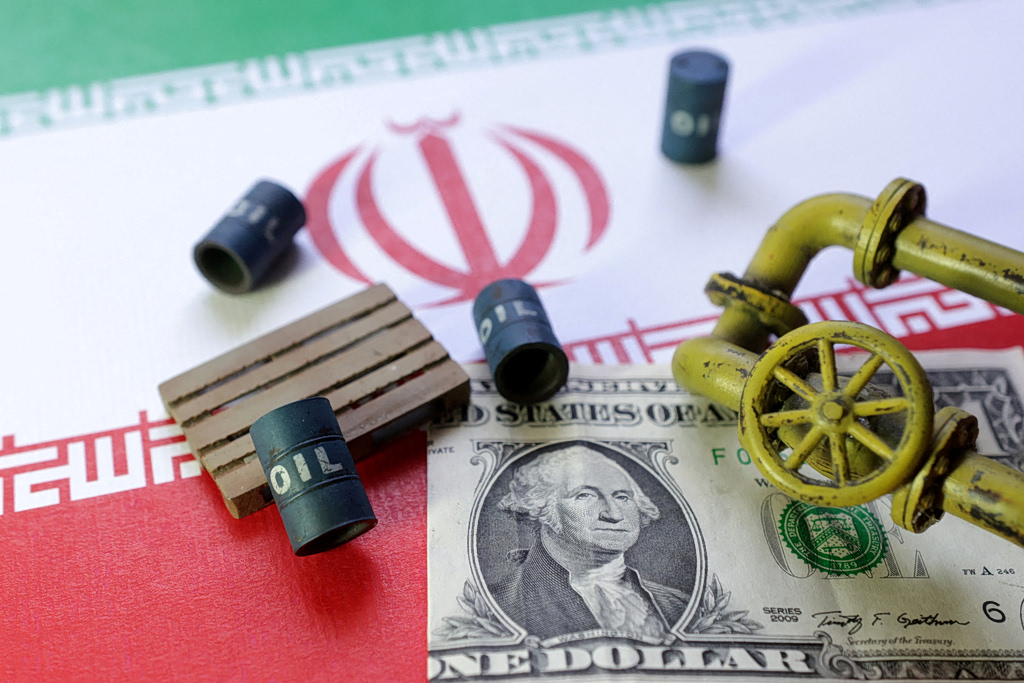
Economists Urge Tax on Energy Firms' War-Fueled Windfall Profits
Translated from Greek, summarized and contextualized by DistantNews.
TLDR
- Economists, including Nobel laureate Joseph Stiglitz, propose an immediate tax on the windfall profits of energy companies due to the war in the Middle East.
- The Independent Commission for the Reform of International Corporate Taxation (ICRICT) argues this measure is effective and ethically necessary, without impacting energy consumption.
- The proposed tax targets extraordinary profits arising from the conflict, aiming to address the disproportionate impact of rising energy prices on consumers and importing nations.
In a significant development that could reshape global energy policy, economists are advocating for a new tax on the extraordinary profits of energy companies, profits largely fueled by the ongoing conflict in the Middle East. The Independent Commission for the Reform of International Corporate Taxation (ICRICT), co-chaired by Nobel laureate Joseph Stiglitz, has issued a strong call for governments worldwide to implement an immediate tax on the windfall profits generated by oil, gas, and fertilizer sectors. This proposal, detailed in a statement to AFP, is presented not just as an economic strategy but as a moral imperative.
ICRICT calls on governments to immediately adopt a tax on unexpected profits in the oil, gas, and fertilizer sectors.
The core of ICRICT's argument is that the surge in energy prices, exacerbated by geopolitical tensions, has created "unexpected profits" for a select group of companies. The commission contends that taxing these gains is both "economically effective" and "ethically essential." Crucially, they assert that such a tax would not negatively affect energy consumption, as it would be levied on profits, not on the act of consuming energy itself. This distinction is vital in addressing concerns about potential inflationary impacts, ensuring that the burden does not fall disproportionately on consumers already struggling with high prices.
This is an economically effective measure and a moral imperative.
ICRICT further proposes the establishment of a "permanent and automatic mechanism" to trigger this tax whenever energy prices exceed a certain threshold. This forward-thinking approach aims to create a more stable and equitable system, particularly in light of the cascading crises that have followed the COVID-19 pandemic. The commission highlights that the current situation, where energy prices have skyrocketed since late February due to escalating tensions, disproportionately benefits a few energy-producing nations and corporations while harming workers, farmers, and energy-importing countries.
It will not have an inflationary impact because it does not apply to energy consumption.
From a Greek perspective, as reported by Ta Nea, this proposal resonates deeply with concerns about economic stability and social equity. The war in the Middle East and its ripple effects on global energy markets directly impact our economy, increasing the cost of living for ordinary citizens. The idea of taxing excessive corporate profits, especially those derived from conflict, aligns with a broader call for fairness and a more just distribution of wealth. The fact that five EU member states – Germany, Austria, Spain, Italy, and Portugal – have already expressed their intention to consider such a tax demonstrates a growing consensus within Europe. This move signifies a potential shift towards holding energy corporations more accountable for their role in exacerbating economic hardships during times of global crisis, reflecting a shared desire for greater economic justice and resilience.
The unexpected profits (...) represent a stable transfer of income due to supply constraints that will last a long time, even after any resolution of the conflict.
DistantNews Editorial
Originally published by Ta Nea in Greek. Translated, summarized, and contextualized by our editorial team with added local perspective. Read our editorial standards.
More Stories



From Our Blog

What Gets Lost (and Found) When News Is Translated

The Critical Role of Diaspora Media in Global News

What Travellers Should Know About Countries with Restricted Press

A Digital Nomad's Guide to Following Local News

How the Same Story Looks Different in Different Countries
