


El Niño poses health risks in Panama, officials warn
Translated from Spanish and summarized by DistantNews. Read the original for the full story.
At a glance
News
Sources not specified
Context piece
- Panama faces varied climate scenarios due to El Niño, with some areas expecting above-average rain and others insufficient precipitation.
- These climate shifts are expected to increase the risk of dengue fever transmission by the Aedes aegypti mosquito.
- Public health officials are also concerned about gastrointestinal and respiratory illnesses due to potential water contamination and scarcity.
Panama is bracing for the dual impacts of the El Niño phenomenon, which forecasts suggest will bring either excessive rainfall in Caribbean regions or insufficient precipitation in Pacific areas. This climatic variability is raising significant public health concerns, particularly regarding the potential spread of diseases.
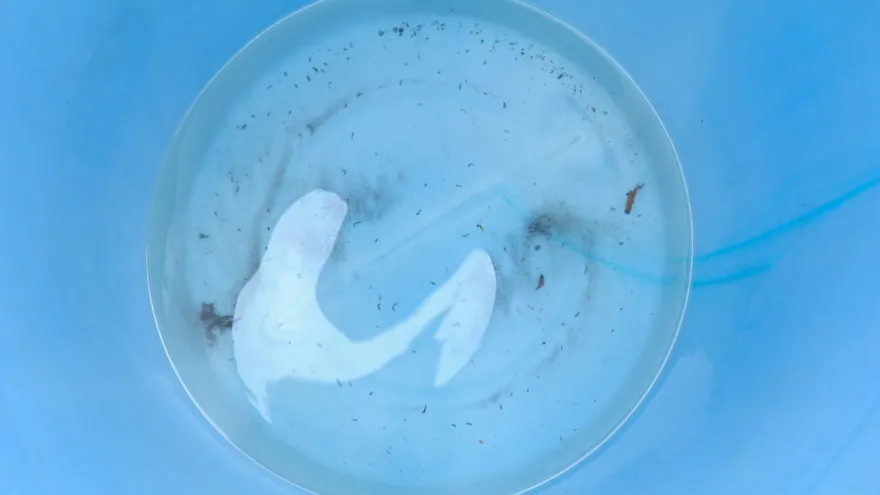
Health authorities are closely monitoring the risk of dengue fever, transmitted by the Aedes aegypti mosquito. Both extreme heat and increased rainfall can accelerate the mosquito's life cycle and create breeding grounds. High temperatures speed up mosquito development, while heavy rains lead to water accumulation in containers, providing ideal environments for mosquito larvae.
Epidemiologists are emphasizing the critical period ahead, noting that historical data shows a statistical increase in dengue cases during August and September. This heightened risk is compounded by potential difficulties in accessing safe drinking water. Flooding can contaminate water sources, and drought periods can severely limit water availability.
"When there are floods, we know that respiratory and gastrointestinal conditions increase. In the case of drought, we know that the main difficulty is access to water," explained Yelkis Gil, national director of health. The Ministry of Health is working to ensure the functionality of adequate wells to mitigate water scarcity issues.
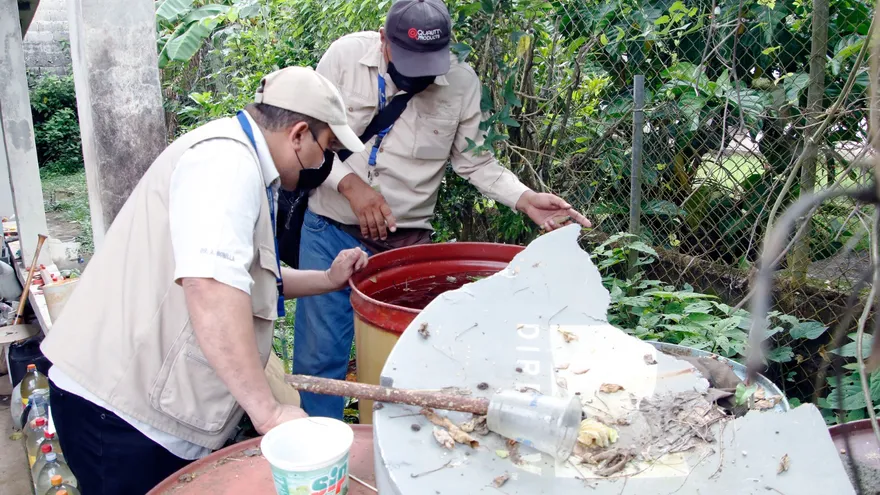
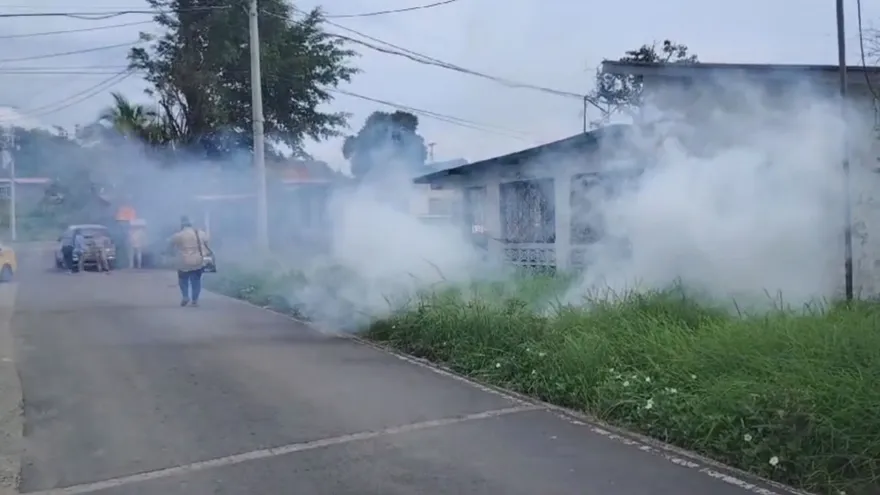
In response, the Ministry of Health is intensifying mosquito breeding site control operations. They urge the public to dedicate at least 10 minutes daily to inspect their homes and surroundings for potential water collection points. Measures include eliminating, overturning, or covering any containers that could hold water, and maintaining clean yards to curb mosquito proliferation.
About this summary
Originally published by TVN Panamá in Spanish. Translated, summarized, and contextualized automatically by DistantNews, with a note on how the source frames the story. Not individually reviewed before publishing. How this works.
More Stories
From Our Blog

What Gets Lost (and Found) When News Is Translated

The Critical Role of Diaspora Media in Global News

What Travellers Should Know About Countries with Restricted Press

A Digital Nomad's Guide to Following Local News

How the Same Story Looks Different in Different Countries
