


Elon Musk's SpaceX Entrusted with German Military Satellite Launches, Sparking Sovereignty Concerns
Translated from Hungarian, summarized and contextualized by DistantNews.
TLDR
- Germany's military satellites were launched using Elon Musk's SpaceX Falcon rockets, raising concerns about technological sovereignty.
- The German government acknowledged that satellite manufacturers, not the state or military, chose the launch provider, leading to SpaceX's central role.
- Critics argue this reliance on a US billionaire's company compromises Germany's security and technological independence, especially with plans for a new multi-billion euro satellite program.
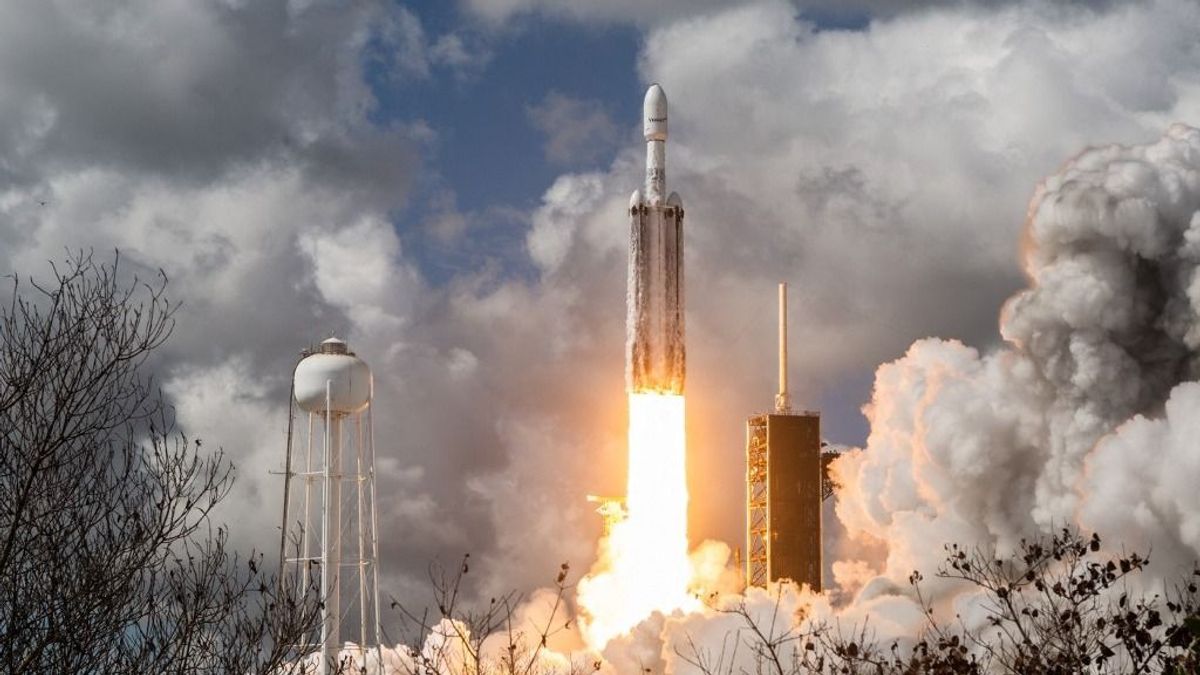
Germany's strategic ambitions in space are facing a critical juncture, as the recent launch of its SARah military reconnaissance satellites aboard Elon Musk's SpaceX Falcon rockets has ignited a fierce debate about technological sovereignty and security dependence. While Germany's Defense Minister Boris Pistorius has highlighted the growing threats in space from Russia and China, necessitating greater independence, the reality on the ground reveals a reliance on American launch capabilities.
The crux of the controversy lies in the decision-making process. The German government, in response to parliamentary inquiries from Green Party politician Ayşe Asar, admitted that the choice of launch provider was not made by the state or the Bundeswehr, but by the satellite manufacturers themselves. This practical outcome means that Musk's SpaceX dictates the technical backbone for Germany's military satellite launches, a situation critics decry as a "secession of security policy."
Asar's pointed questions regarding the long-term implications for technological sovereignty and security dependence underscore a growing unease within Germany. The concern is palpable: a politically active American billionaire's company holds a key position in operating Germany's military reconnaissance systems. This reliance is particularly worrying given Germany's ambitious plans for a new military satellite program, SatcomBW 4, estimated to cost around ten billion euros and involving hundreds of smaller satellites, often dubbed "Germany's Starlink."
From a German perspective, the situation is deeply problematic. While the government states a long-term goal of strengthening national and European launch capacities and ensuring independent access to space, critics argue these are insufficient assurances. Without binding commitments to prioritize European launch technologies, future multi-billion euro German space programs risk again becoming lucrative windfalls for Musk's company. This debate is not merely about technical choices; it's about Germany's strategic autonomy in a critical domain and its commitment to fostering its own technological capabilities versus relying on foreign, albeit technologically advanced, partners.
It is extremely problematic that the company of a politically active American billionaire plays a key role in operating German military reconnaissance systems.
DistantNews Editorial
Originally published by Magyar Nemzet in Hungarian. Translated, summarized, and contextualized by our editorial team with added local perspective. Read our editorial standards.
More Stories



From Our Blog

Countries Without a Free Press: What You Need to Know

What Press Freedom Means for the News You Read

What Gets Lost (and Found) When News Is Translated

The Critical Role of Diaspora Media in Global News

What Travellers Should Know About Countries with Restricted Press
