

Emergency Timetable After Serious Train Accident on Gribskovbanen
Translated from Danish, summarized and contextualized by DistantNews.
TLDR
- Lokaltog has implemented an emergency timetable following a serious train collision on the Gribskovbanen line in April.
- Half of all departures are canceled, and all night trains on affected routes are also canceled.
- The collision involved three damaged train sets, with investigations ongoing to determine if they are repairable.
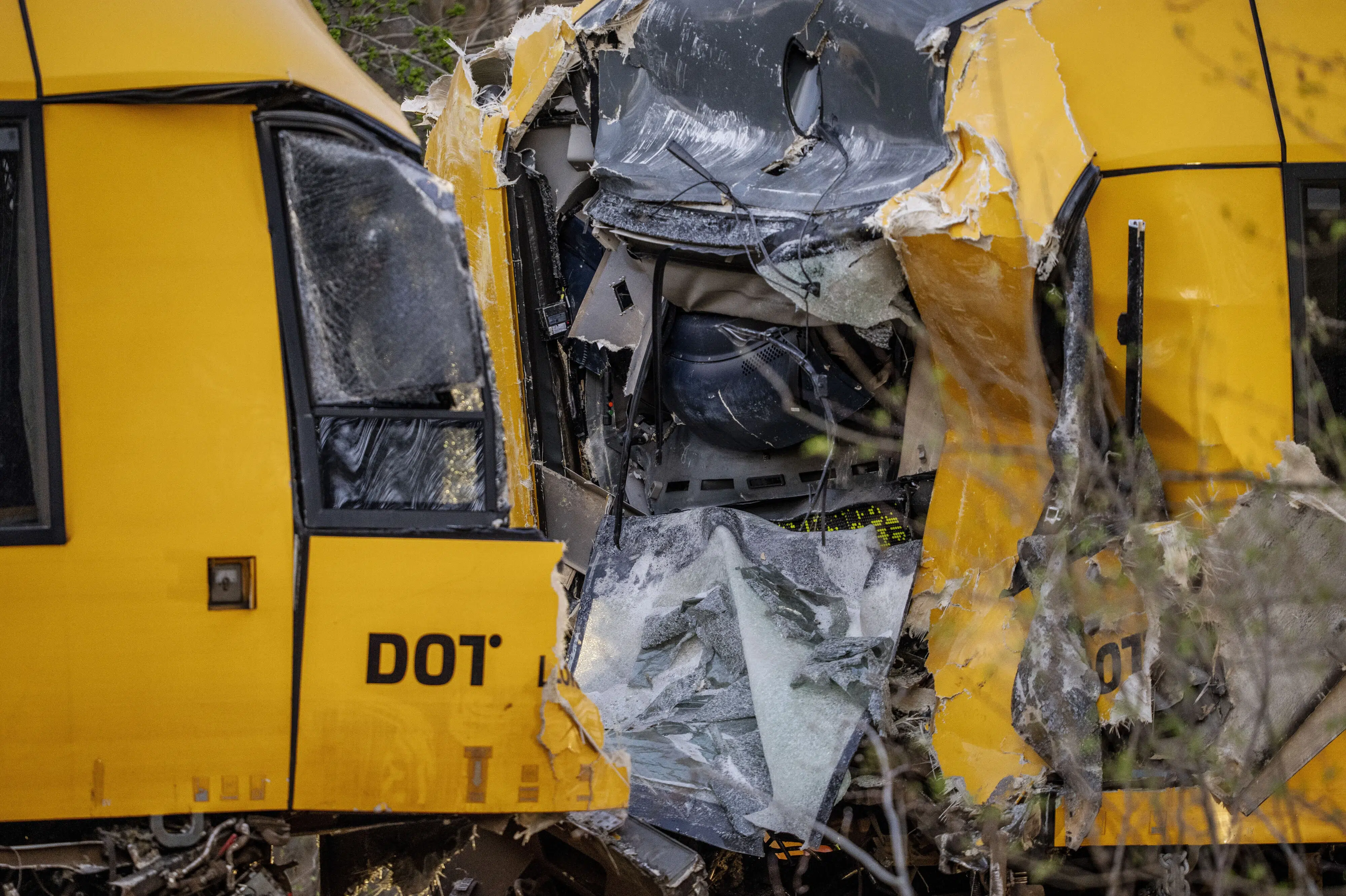
The Danish regional railway operator, Lokaltog, has been forced to introduce an emergency timetable due to significant disruptions following a severe train accident on the Gribskovbanen line in April. The collision, which occurred between Kragerup and Hillerød, has led to the cancellation of approximately half of all scheduled departures, including all night trains on the affected routes.
Efter den alvorlige togulykke i april, hvor to tog kolliderede ved Kragerup på Gribskovbanens strækning mellem Hillerød og Helsinge, er der så store ændringer i køreplanen, at lokalbaneselskabet Lokaltog, som står for driften, har indført en nødkøreplan.
According to Lokaltog's rolling stock manager, Kenneth Ø. Christensen, three train sets sustained damage in the accident. Further investigations are required to ascertain whether these trains are a total loss or can be repaired. The complexity of replacing the damaged trains is compounded by the fact that they utilize different technical systems, and locomotive drivers require specific, approved training for each type of train.
Ifølge mediet er halvdelen af afgangene aflyst, ligesom at alle nattog på de berørte strækninger er aflyst.
The accident on April 23rd resulted in 17 people being treated in the hospital, with five initially in critical condition. Fortunately, all were later reported to be out of danger. Preliminary findings suggest that a delay and a change in the sequence of two trains preceded the collision. The plan was for the trains to pass each other at Slotspavillonen Station, but due to a delay, their order was switched. However, for reasons yet to be determined, the second train proceeded past the station and collided with the first train approximately one kilometer further down the line.
De to tog, der stødte sammen, skal gennemgå yderligere undersøgelser, før det kan fastslås, om de er totalskadede eller kan repareres.
From a Danish perspective, this incident is a stark reminder of the fragility of even seemingly routine infrastructure. While international news might focus on the human toll and the immediate cause, local coverage, like that from Sjællandske Medier, delves into the operational and logistical nightmares that follow such events. The introduction of an emergency timetable isn't just an inconvenience; it disrupts daily commutes, impacts local economies, and highlights the challenges of maintaining a reliable public transport system, especially with aging or complex rolling stock. The detailed explanation of the sequence of events and the technical hurdles in replacing trains provides a crucial local context that emphasizes the practical difficulties faced by operators like Lokaltog.
Det skyldes blandt andet, at der er forskellige tekniske systemer. Lokomotivførerne skal have godkendte uddannelser til at køre de enkelte togtyper.
DistantNews Editorial
Originally published by Berlingske in Danish. Translated, summarized, and contextualized by our editorial team with added local perspective. Read our editorial standards.
More Stories


From Our Blog

What Gets Lost (and Found) When News Is Translated

The Critical Role of Diaspora Media in Global News

What Travellers Should Know About Countries with Restricted Press

A Digital Nomad's Guide to Following Local News

How the Same Story Looks Different in Different Countries
