


“Enemy Risk”: A Country That Refuses to Greet
Translated from Spanish, summarized and contextualized by DistantNews.
TLDR
- An observer of Argentine news would note a pervasive atmosphere of animosity and division, where political factions and even members within the same coalition actively avoid interaction.
- This fractured environment is evident in various public and private events, including religious ceremonies, party transfers of power, and cultural gatherings, where deliberate slights and public confrontations occur.
- The article questions whether this breakdown in civic relations is merely a superficial degradation of manners or a more dangerous erosion of democratic norms and institutional functioning.
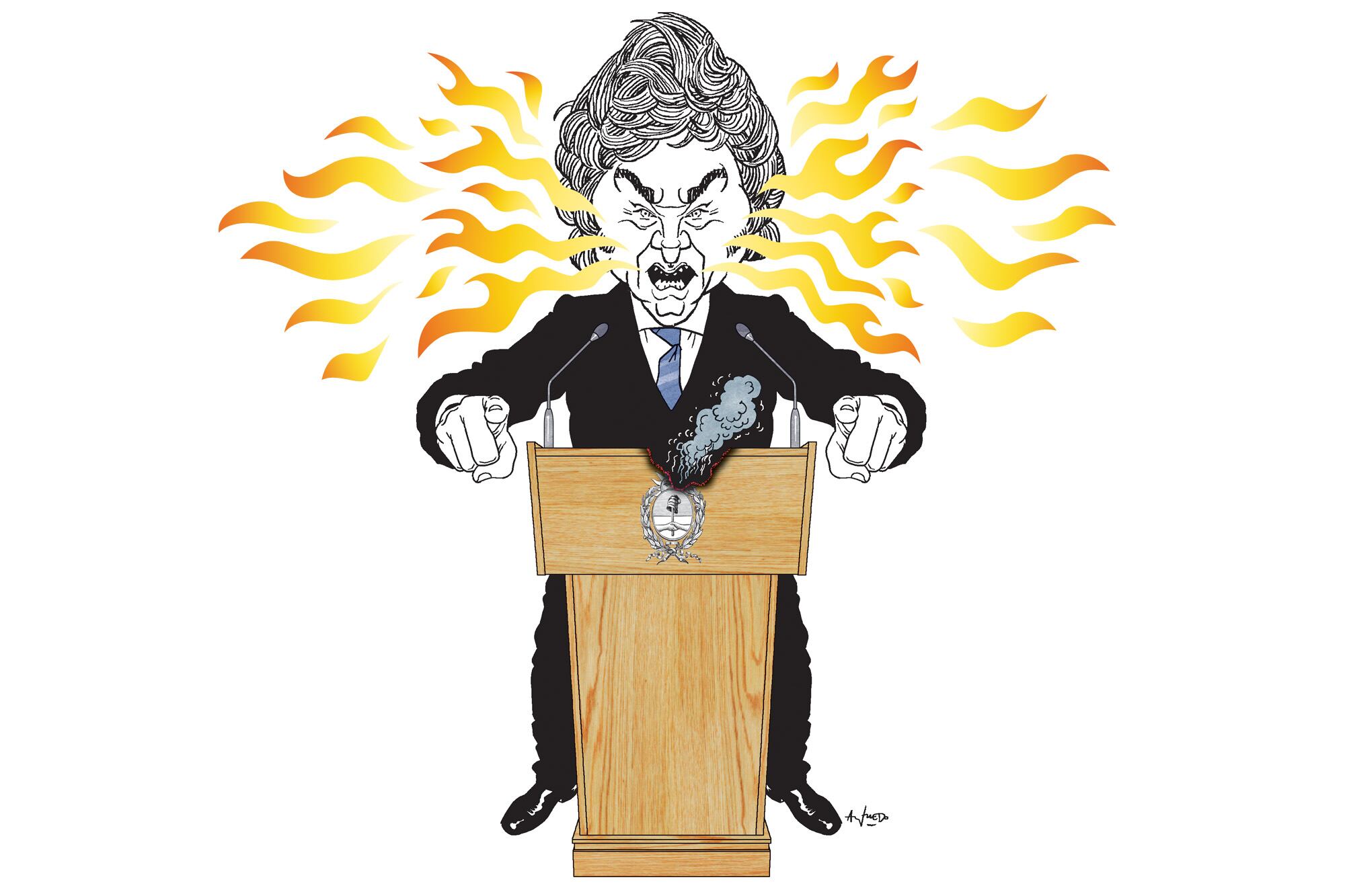
La Nación observes a deeply fractured Argentina, characterized by a 'risk of enemy' mentality where basic civility in political discourse has collapsed. An imaginary foreign observer, reviewing recent events, would see a nation where political opponents, and even allies within the same party, go to extreme lengths to avoid acknowledging each other. From religious services where officials from opposing parties studiously ignore one another, to party leadership transitions deliberately snubbed, to cultural events like the Book Fair where the Secretary of Culture is subjected to insults, the pattern is one of escalating antagonism. Even President Milei reportedly avoided greeting former President Macri at a recent dinner. This isn't just a breakdown of polite forms; it signifies a deeper problem. The article posits that the 'grieta'—the deep political divide—has fractured itself, leading to internal conflicts within coalitions. This extreme polarization, marked by a disregard for differing opinions and basic courtesy, raises serious questions about the health of Argentina's democratic system. It challenges the very foundations of institutional functioning and the minimum standards of coexistence required for a democracy to thrive. The Argentine perspective here is one of deep concern over this self-destructive political culture, which seems to prioritize personal animosity over national progress and institutional stability.
DistantNews Editorial
Originally published by La Nación in Spanish. Translated, summarized, and contextualized by our editorial team with added local perspective. Read our editorial standards.
More Stories



From Our Blog

What Gets Lost (and Found) When News Is Translated

The Critical Role of Diaspora Media in Global News

What Travellers Should Know About Countries with Restricted Press

A Digital Nomad's Guide to Following Local News

How the Same Story Looks Different in Different Countries
