

Energy Becomes Central to US-China Geopolitical Rivalry
Translated from English, summarized and contextualized by DistantNews.
At a glance
Analysis
Sources not specified
Context piece
- A rivalry for global energy dominance has intensified between China and the United States.
- China is leading in renewable energy technologies and production, surpassing fossil fuels in power capacity.
- The U.S. maintains its position as a hydrocarbon hegemon, relying heavily on fossil fuels for its energy needs.
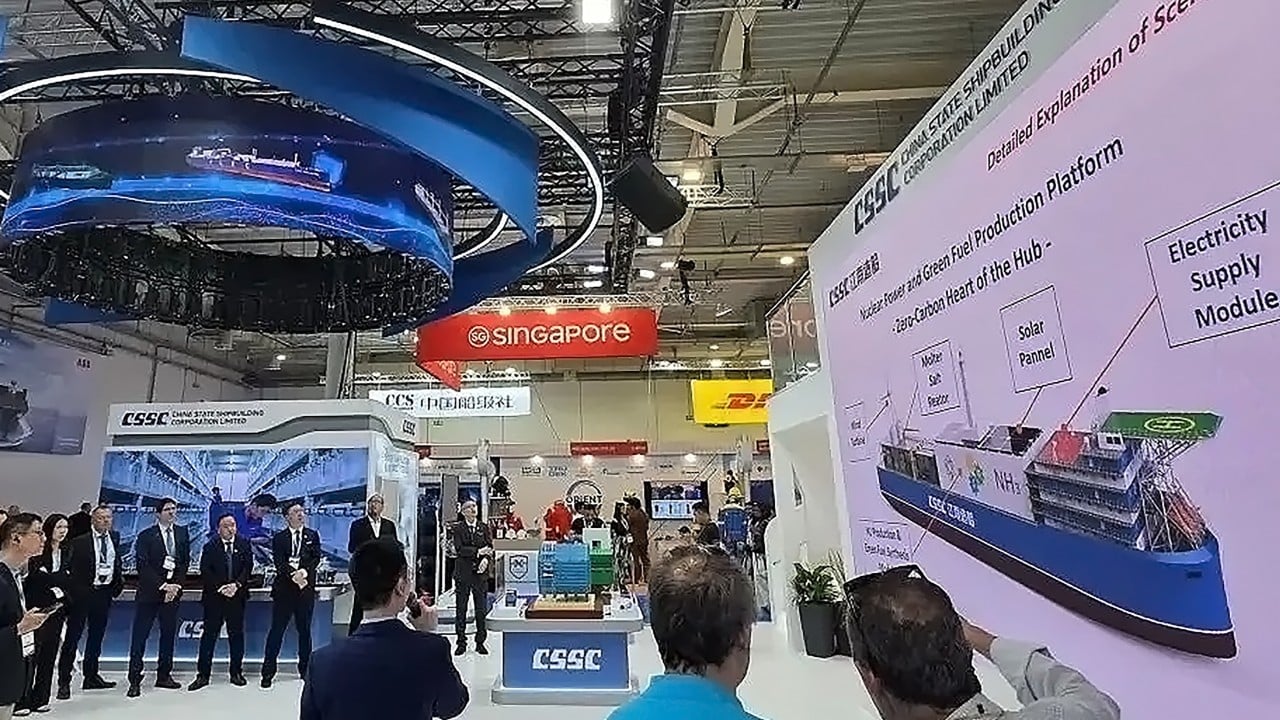
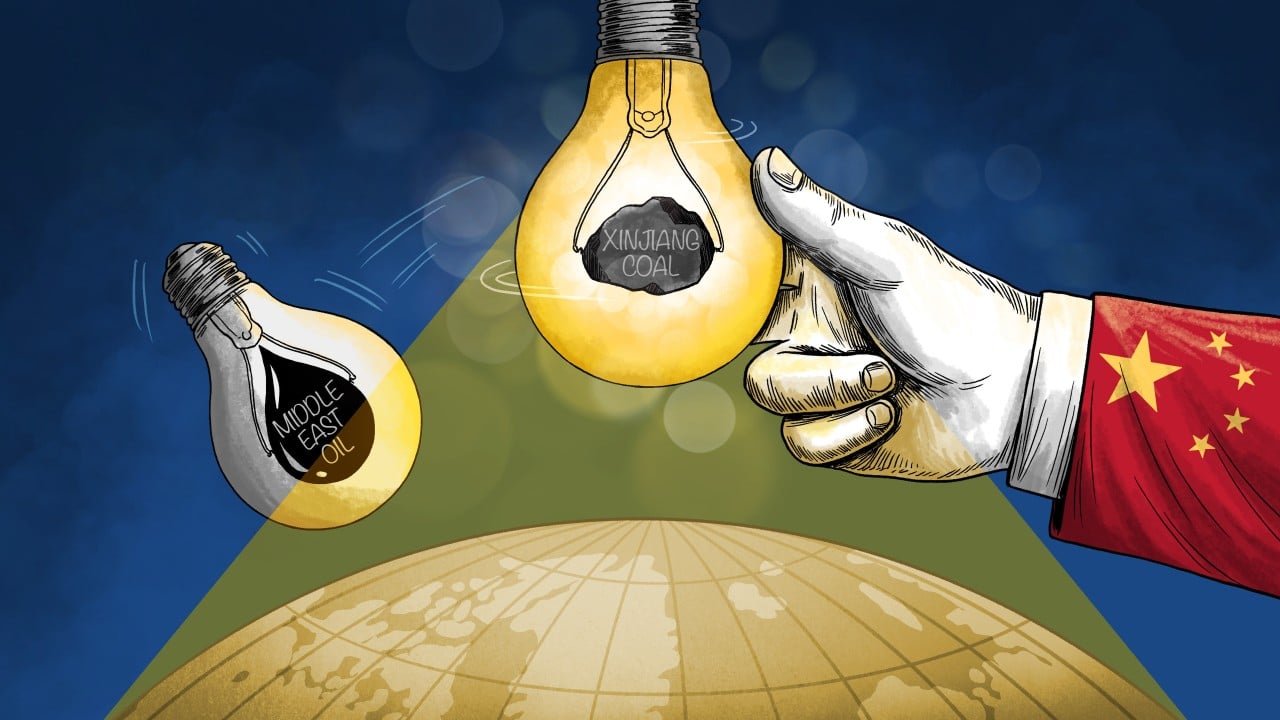
The global contest for superpower status has evolved into a fierce rivalry over energy control between China and the United States. China, described as a rising "electrostate," is strategically positioning itself for the future, while the U.S. acts as the world's "hydrocarbon hegemon," striving to protect its established dominance.
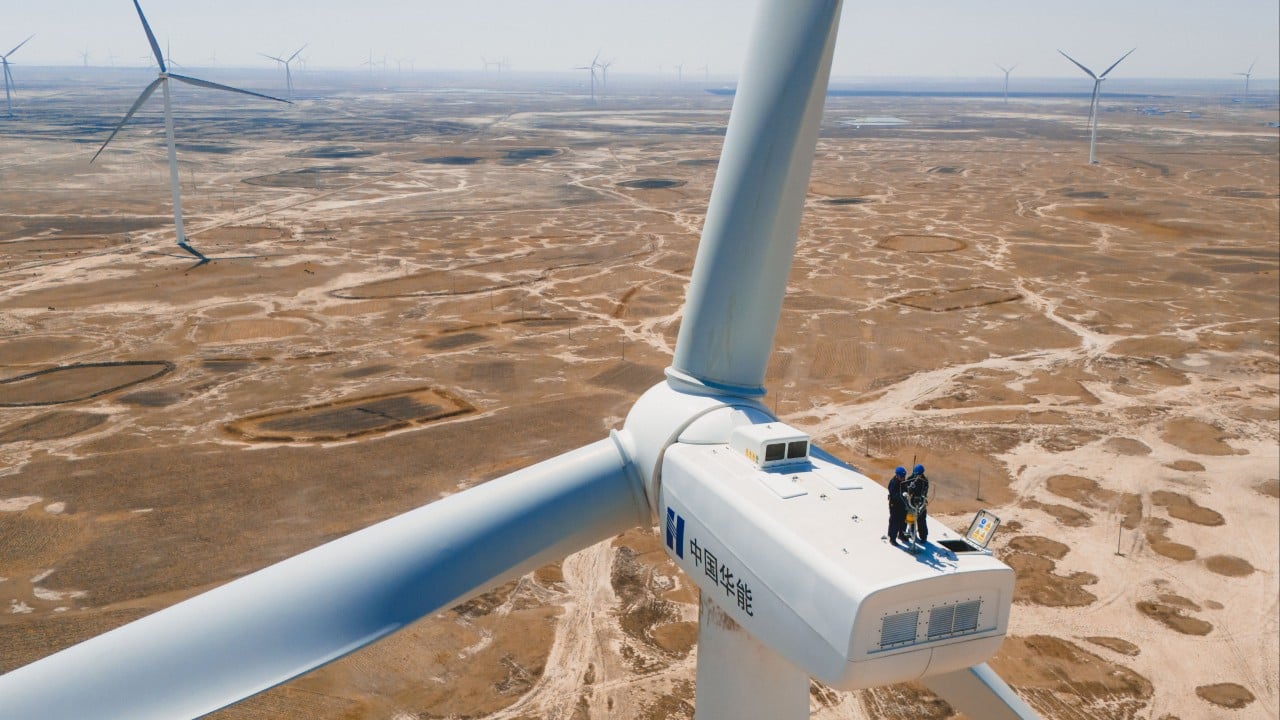
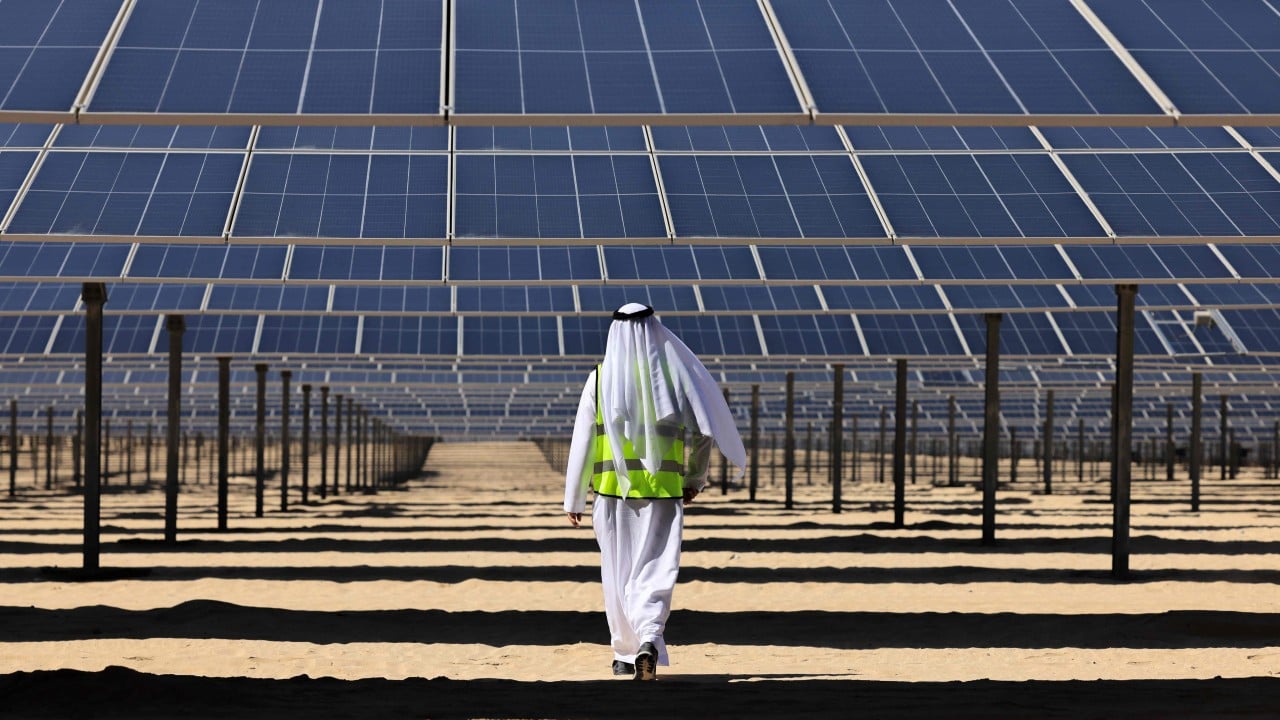
China's economic growth is intrinsically linked to electricity. Despite being a significant producer of coal, oil, and natural gas, the nation imports these hydrocarbons. However, through its long-term five-year plans, China has aggressively diversified into alternative energy sources like solar, wind, hydro, and nuclear power. Last year marked a turning point, with China's non-fossil-fuel power capacity exceeding that of fossil fuels for the first time. Its installed capacity for grid-connected wind and solar power now surpasses its coal capacity, and electricity generated from renewables has become more cost-effective than that from burning fossil fuels.
This focus on energy security, rapid decarbonization, and pollution reduction through renewable energy has propelled China to the forefront of global technology in solar panels, wind turbines, batteries, electric vehicles, and grid infrastructure. In contrast, the U.S. has historically relied on fossil fuels. Since becoming the top oil producer in the 19th century, the U.S. now produces 13.6 million barrels of oil and over 30 trillion cubic feet of natural gas annually. It is not only energy self-sufficient but also a net exporter, particularly after the advent of shale oil production in the 21st century. Consequently, the American energy system remains dependent on fossil fuels for nearly 80 percent of its power generation. The U.S. solidifies its hydrocarbon hegemon status through its substantial role in the global trade of these fuels and by ensuring the necessary maritime security for their transport.
DistantNews Editorial
Originally published by South China Morning Post in English. Translated, summarized, and contextualized by our editorial team with added local perspective. Read our editorial standards.
More Stories
From Our Blog

Countries Without a Free Press: What You Need to Know

What Press Freedom Means for the News You Read

What Gets Lost (and Found) When News Is Translated

The Critical Role of Diaspora Media in Global News

What Travellers Should Know About Countries with Restricted Press
