


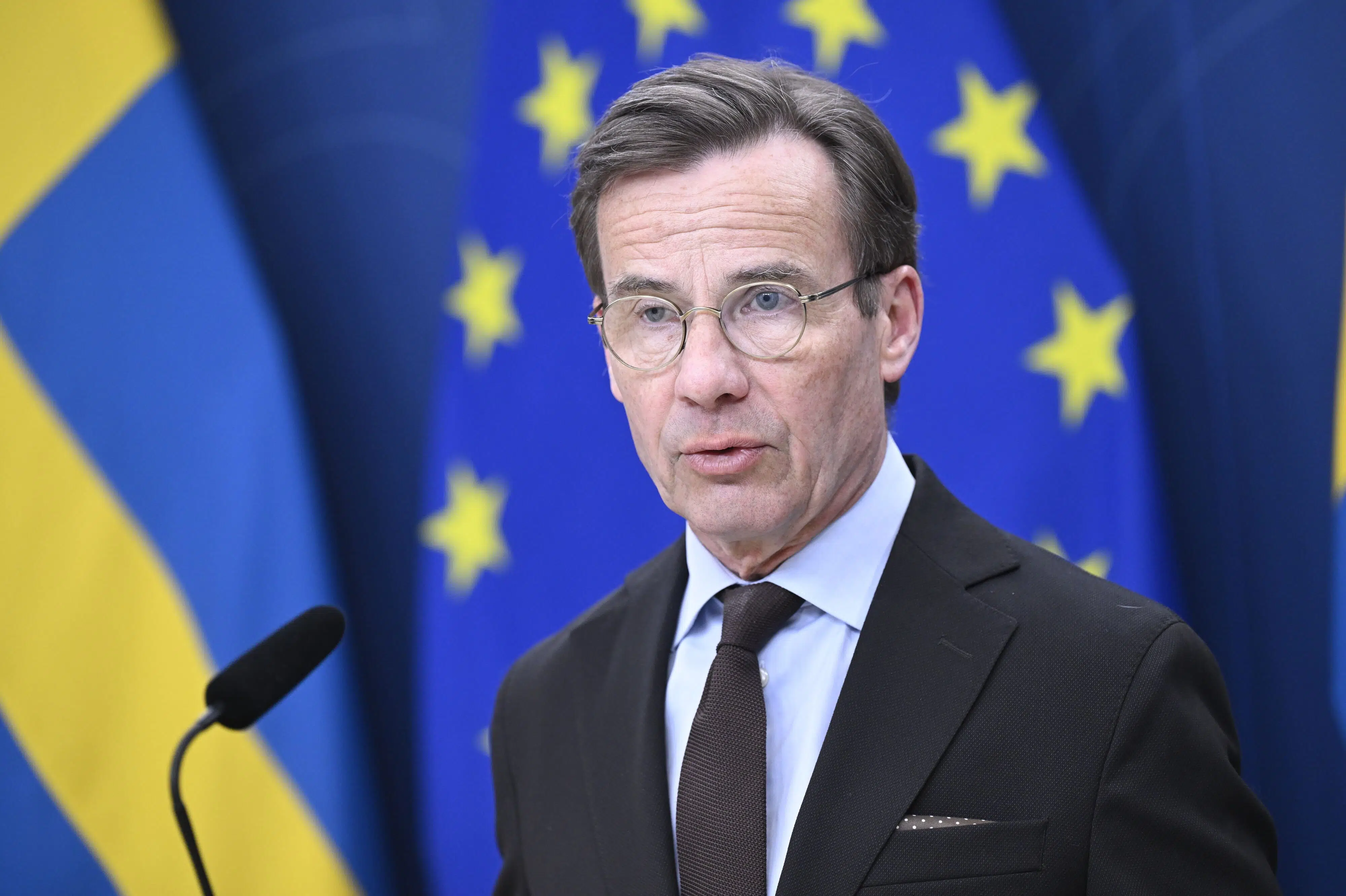
Energy Policy Sparks Heated Debate Among Swedish Party Leaders
Translated from Danish, summarized and contextualized by DistantNews.
TLDR
- Swedish party leaders debated energy policy ahead of the upcoming election.
- The government's plan to build new nuclear power plants is supported by a majority but faces skepticism from the opposition.
- Key points of contention include the need for nuclear power versus wind energy and the role of renewables in Sweden's energy mix.
Energy policy ignited heated debate among Swedish party leaders during a recent televised discussion, setting the stage for critical decisions ahead of the autumn election. The government's ambitious proposal to invest billions in new nuclear power facilities has garnered majority support among the parties, yet significant skepticism persists within the opposition.
Energy policy has failed because the government has refused to enter into a broad agreement.
Magdalena Andersson, leader of the Social Democrats, voiced concerns, stating that energy policy has faltered due to the government's refusal to forge a broad consensus. She emphasized the dual need for new nuclear capacity and expanded offshore wind power, highlighting a potential path forward that balances different energy sources.
We need new nuclear power in Sweden, but we also need offshore wind.
Conversely, Jimmie Åkesson of the Sweden Democrats dismissed wind power as mere 'wind populism.' He argued for the necessity of stable, base-load power, asserting that nuclear energy is the key solution. This stance directly contrasts with the environmental movement's priorities, as represented by Amanda Lind of the Green Party, who accused Åkesson of hindering wind power development and pointed to the global trend favoring renewables.
We have a lot when it blows – then we have far too much. We need stable base power, and that is where nuclear power applies.
Prime Minister Ulf Kristersson, leading the Moderate Party, sought to bridge the divide, suggesting that both nuclear and wind energy can coexist. He positioned Sweden as an energy pioneer, noting the country's reliance on hydropower and nuclear power rather than natural gas, unlike many other nations. Kristersson stressed the importance of a diverse energy portfolio, including hydropower, nuclear, and wind, to ensure energy security and independence from potentially unstable foreign sources. The ongoing debate reflects Sweden's complex energy landscape and the differing visions for its future.
It is clear that Jimmie Åkesson is the reason why a wet cloth has been thrown over the expansion of wind power.
DistantNews Editorial
Originally published by Berlingske in Danish. Translated, summarized, and contextualized by our editorial team with added local perspective. Read our editorial standards.
More Stories


From Our Blog

What Gets Lost (and Found) When News Is Translated

The Critical Role of Diaspora Media in Global News

What Travellers Should Know About Countries with Restricted Press

A Digital Nomad's Guide to Following Local News

How the Same Story Looks Different in Different Countries
