

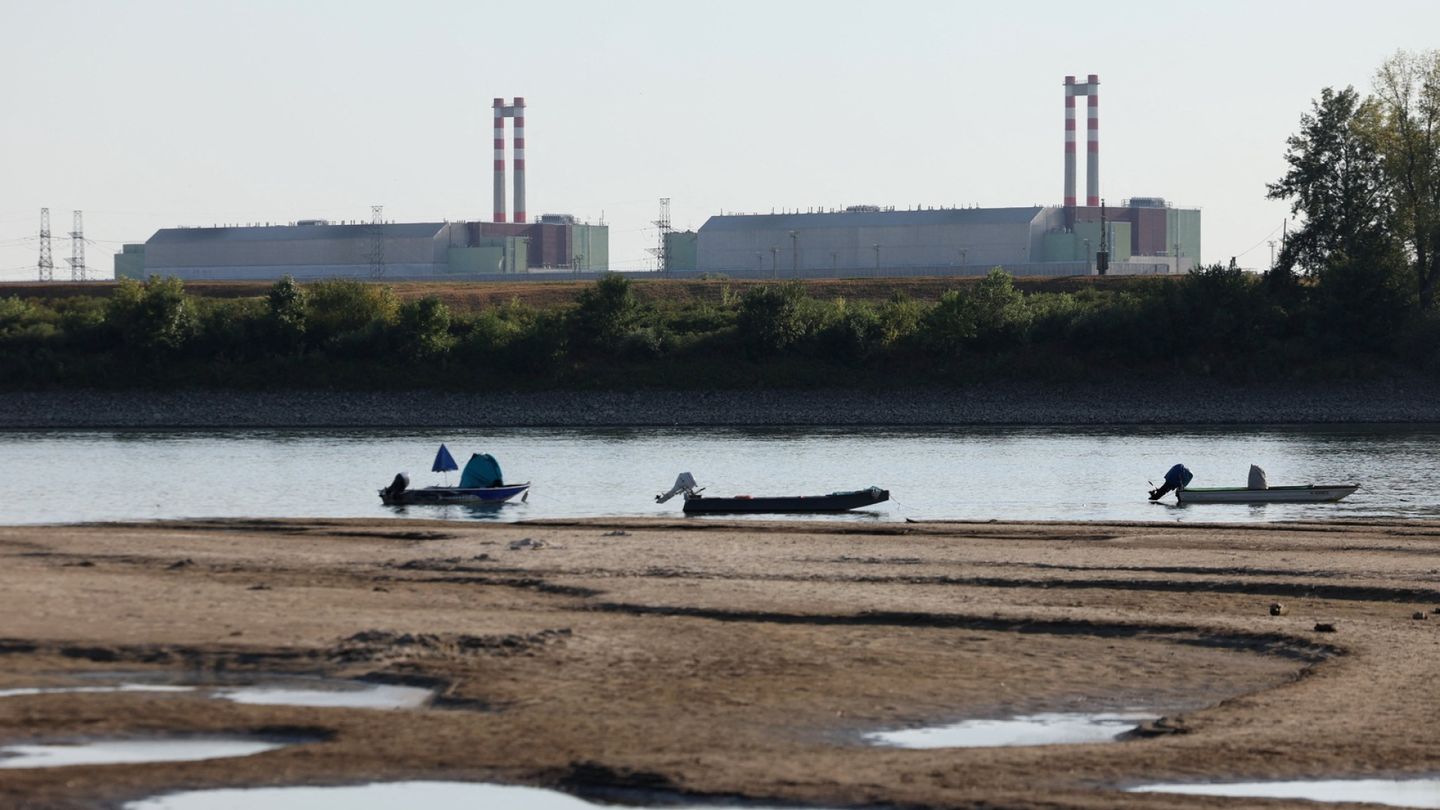

Estonia proposes advancing Tallinn-Helsinki tunnel to boost trade and security
Translated from Finnish, summarized and contextualized by DistantNews.
At a glance
Analysis
Sources not specified
Context piece
- Estonia, as chair of the Nordic-Baltic NB8 cooperation, proposes advancing the Tallinn-Helsinki tunnel project.
- The tunnel is seen as a way to strengthen business, security, and cultural ties, mirroring past energy infrastructure successes.
- The project, previously studied, could form part of a larger Northern European transport corridor.
As Estonia assumes the chairmanship of the Nordic-Baltic NB8 cooperation this year, it poses a question about the desired future for the region by 2042, when the NB8 celebrates its 50th anniversary.
Strengthening business, security, and cultural relations necessitates improved regional connectivity. The proposal is to pursue these goals with the same ambition demonstrated in integrating energy systems and establishing joint electricity and gas markets over the past two decades. A potential first step for renewed Nordic-Baltic infrastructure cooperation could be advancing the Tallinn-Helsinki tunnel project, which could also spur other strategic initiatives across the region.
Connections between allies are vital, and individual states' competitiveness increasingly depends on global developments. The region's economy requires new momentum, innovative solutions, and stronger links that simultaneously enhance security. The current moment is opportune for a broader perspective on the next phase of Baltic Sea region connectivity.
While Estonia's most significant current infrastructure project is the construction of Rail Baltica, a high-speed rail link connecting Estonia to the wider European network, attention should also turn north. The tense security situation and shifting trade priorities warrant serious consideration of a smoother connection to the north. The fixed link between Tallinn and Helsinki has been envisioned for decades, with initial feasibility studies conducted by Finnish experts in 1993. A comprehensive joint study by the cities of Helsinki and Tallinn and the surrounding municipality of Tallinn was completed in 2014. In 2018, the Finnish and Estonian transport ministries released a report examining the positive impacts of a fixed link across various sectors and recommending next steps.
The tunnel would create a new generation of transport links for both freight and passengers, accommodating travelers, cars, and cargo. It is important to consider the broader context: the construction of the Fehmarnbelt tunnel connecting Germany and Denmark began in 2020 and is expected to be completed by 2032. Together with the Tallinn-Helsinki tunnel, it would form part of a Northern European transport corridor linking the Nordic countries with Central and Western Europe. Effective and determined infrastructure development significantly impacts business competitiveness, public well-being, and freedom of choice. The NB8 countries collectively represent the world's tenth-largest economy, with key strengths in high education levels, innovation, and technological expertise. Although preparations for the tunnel project were halted in 2018, the groundwork laid remains relevant.
DistantNews Editorial
Originally published by Helsingin Sanomat in Finnish. Translated, summarized, and contextualized by our editorial team with added local perspective. Read our editorial standards.
More Stories

From Our Blog

What Gets Lost (and Found) When News Is Translated

The Critical Role of Diaspora Media in Global News

What Travellers Should Know About Countries with Restricted Press

A Digital Nomad's Guide to Following Local News

How the Same Story Looks Different in Different Countries
