

Hungary Shuts Down Sole Nuclear Plant Amid Severe Drought
Translated from Finnish, summarized and contextualized by DistantNews.
At a glance
News
Named sources
Ongoing story
- Hungary will temporarily shut down its sole nuclear power plant, Paks, due to severe drought affecting the Danube River's water levels.
- The plant, which supplies nearly half of Hungary's electricity, relies on Danube water for cooling.
- The shutdown comes as Hungary anticipates another heatwave, putting significant pressure on the national power grid.
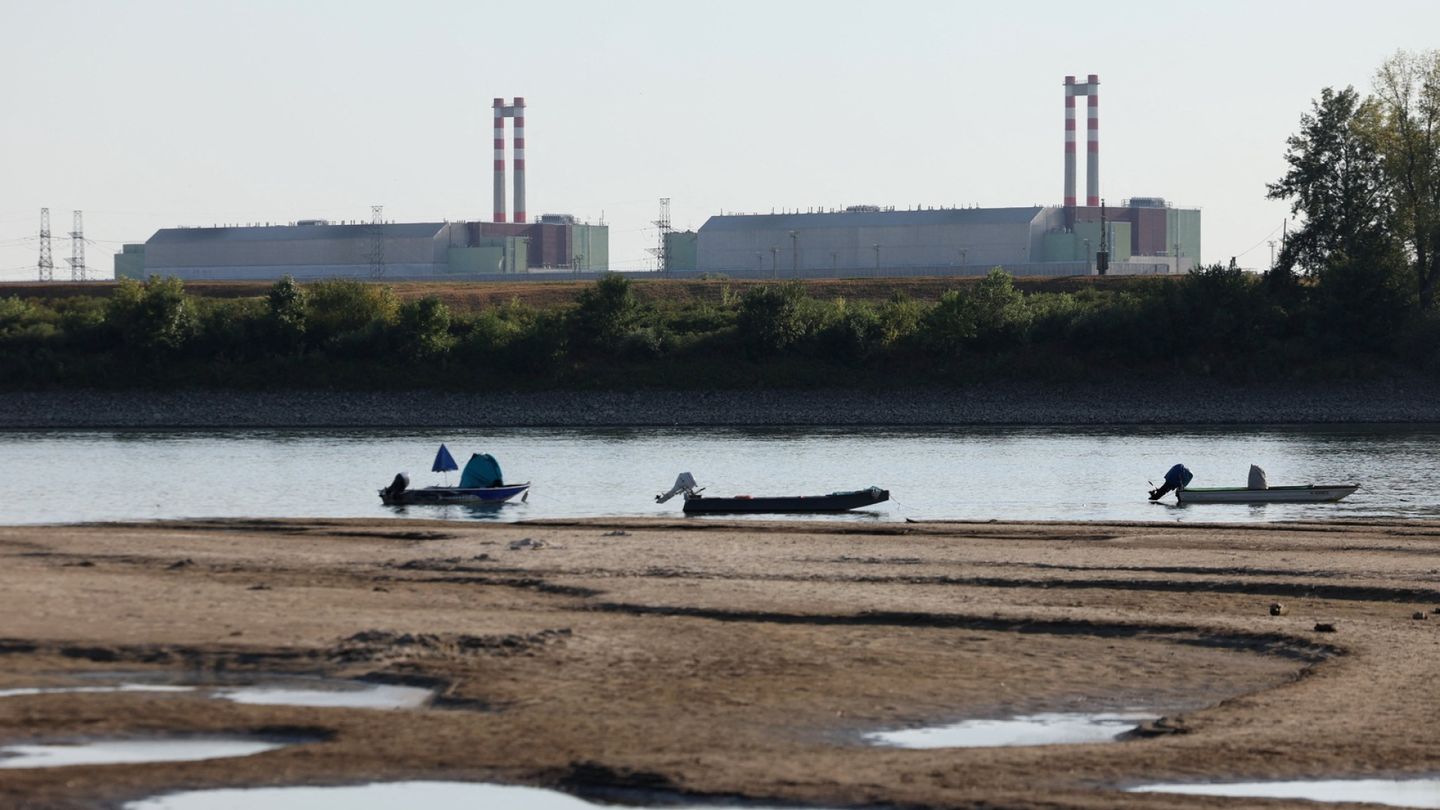
Hungary is temporarily closing its only nuclear power plant, Paks, on Sunday due to record-low water levels in the Danube River, a consequence of prolonged summer heatwaves and drought. Prime Minister Péter Magyar announced the shutdown, explaining that the plant's cooling system relies on Danube water, which has fallen to critically low levels.
The Paks plant, located in central Hungary, was already operating at reduced capacity. Its complete cessation of electricity production occurs at a critical time, as the country braces for another heatwave. Magyar warned that the coming five days are crucial and appealed to businesses, local governments, and households to reduce electricity consumption, particularly during evening peak hours.
This temporary closure places immense pressure on Hungary's electricity grid and public services. Magyar has previously cautioned that the plant might remain offline for weeks. The government retains the option to restrict energy consumption for major industrial users if necessary. Neighboring Romania also recently had to shut down one of its nuclear power units due to drought-related low water levels in the Danube.
In 2024, the Paks nuclear power plant generated nearly half of Hungary's electricity. The facility houses four reactors of Russian design. The situation highlights the vulnerability of energy infrastructure to climate change impacts, particularly extreme weather events like prolonged droughts and heatwaves.
The next five days are critical.
DistantNews Editorial
Originally published by Helsingin Sanomat in Finnish. Translated, summarized, and contextualized by our editorial team with added local perspective. Read our editorial standards.
More Stories


From Our Blog

What Gets Lost (and Found) When News Is Translated

The Critical Role of Diaspora Media in Global News

What Travellers Should Know About Countries with Restricted Press

A Digital Nomad's Guide to Following Local News

How the Same Story Looks Different in Different Countries
