

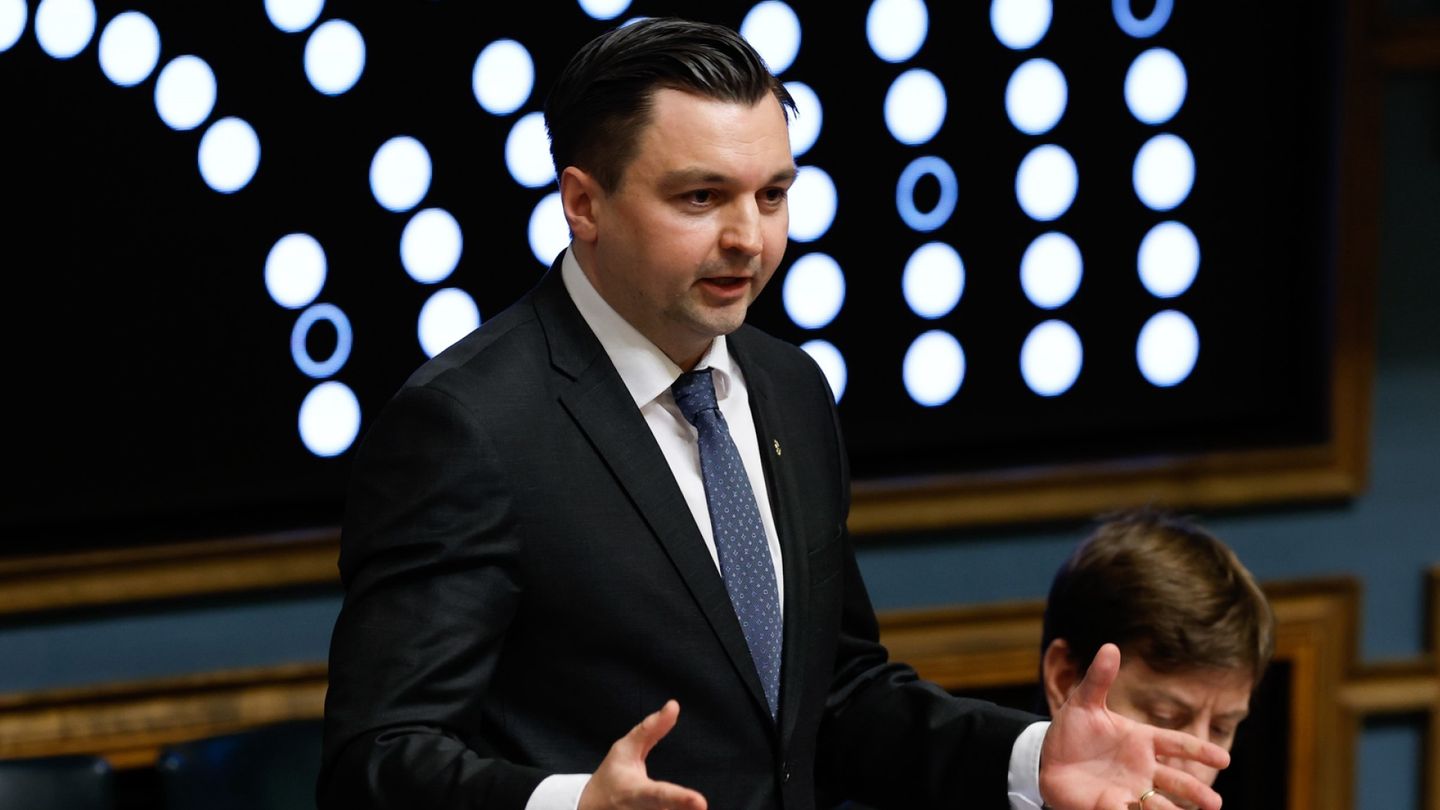

The State Has Limited Means Regarding Caruna
Translated from Finnish, summarized and contextualized by DistantNews.
At a glance
Analysis
Sources not specified
Context piece
- The sale of electricity network company Caruna has sparked debate about the sale of natural monopolies and potential repurchases by the state.
- The 2014 sale, driven by Fortum's strategy to focus on more profitable ventures, led to significant electricity transmission price increases for consumers.
- The article discusses the complex ownership changes, regulatory interventions, and political responsibility surrounding Caruna, linking it to Finland's past Russia policy.
The recent news of electricity network company Caruna's ownership change has reignited a fervent debate in Finland. Discussions revolve around the initial sale of natural monopolies and calls for the state to buy back the company, bringing it back under Finnish control. The intensity of this conversation, even during the summer lull in news, stems from lingering public frustration over the original sale decision.
In 2014, Fortum, the state-majority owned energy company, decided to divest its electricity networks, prioritizing investments in more lucrative areas. This decision paved the way for private equity firms to become Caruna's main owners. Shortly after, consumers faced substantial hikes in electricity transmission fees, as Caruna's network was the sole option for many. The company's financial flows were routed through a holding company in a tax haven, with taxes minimized via intragroup loans.
Ownership has since shifted. The recent announcement that Spanish energy company Iberdrola will acquire 80% of Caruna marks another transition, with the sellers no longer being the initial buyers from Fortum. Over the years, regulatory measures have been introduced, including changes by the Energy Authority to the calculations used for regulating electricity network companies' returns. While a market court approved a cap on returns, Caruna pursued arbitration in Washington.
The Caruna saga has troubled consumers and policymakers for over a decade, raising concerns about high transmission costs and the fundamental issue of selling natural monopolies to private equity. Simultaneously, many politicians and business leaders involved in the original sale and subsequent decisions express frustration at being held morally accountable. This ongoing discussion also touches upon Finland's past engagement with Russia, as Fortum invested sale proceeds into Russian and German energy companies, a move that proved problematic following Russia's invasion of Ukraine. The handling of these investments by former Fortum executives and involved ministers remains a point of contention, intertwining the Caruna debate with broader questions of national economic strategy and foreign policy.
DistantNews Editorial
Originally published by Helsingin Sanomat in Finnish. Translated, summarized, and contextualized by our editorial team with added local perspective. Read our editorial standards.
More Stories


From Our Blog

What Gets Lost (and Found) When News Is Translated

The Critical Role of Diaspora Media in Global News

What Travellers Should Know About Countries with Restricted Press

A Digital Nomad's Guide to Following Local News

How the Same Story Looks Different in Different Countries
