


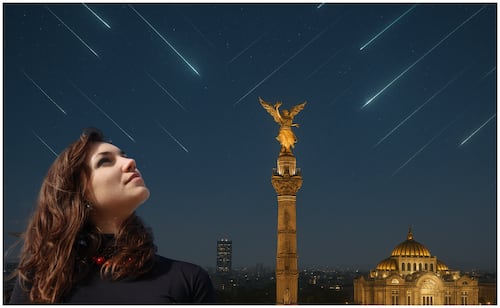
Eta Aquarid Meteor Shower: How to Enjoy the Astronomical Event
Translated from Spanish, summarized and contextualized by DistantNews.
TLDR
- The Eta Aquarid meteor shower will peak between May 4 and May 7, with optimal viewing conditions expected on May 6.
- This celestial event is caused by debris from Halley's Comet, with up to 50 meteors per hour visible under ideal conditions.
- Observers are advised to find dark locations away from city lights, face east before dawn, and be patient as their eyes adjust to the darkness.
Mexico's skies are set to offer a dazzling spectacle this May with the peak of the Eta Aquarid meteor shower. This annual event, a favorite among astronomy enthusiasts, is a direct result of Earth passing through the debris trail left by the legendary Halley's Comet. While the shower can produce up to 50 meteors per hour under perfect conditions, this year's viewing may be slightly hampered by an 83% illuminated moon, which tends to wash out fainter meteors. However, dedicated skywatchers can still anticipate a memorable show.
The Eta Aquarids are particularly known for their speed, with particles entering Earth's atmosphere at approximately 65 kilometers per second, creating brilliant streaks of light. The shower's radiant point, from which the meteors appear to originate, is located in the constellation Aquarius, near the star Eta Aquarii. For optimal viewing, experts recommend seeking out locations far from urban light pollution, ideally in rural areas. The pre-dawn hours, particularly before sunrise, are the best time to observe, with the eastern horizon being the direction of focus.
While the meteor shower is visible globally, the Southern Hemisphere generally offers a better vantage point. In the Northern Hemisphere, including parts of Mexico, the radiant stays lower in the sky, meaning fewer meteors might be visible per hour—around 10. Despite this, the event remains a significant astronomical occurrence for the region. The advice given—to find a dark spot, orient oneself towards Aquarius, be patient, and allow eyes to adjust—is universal for meteor shower observation. This event serves as a reminder of the dynamic cosmos we inhabit and offers a chance for Mexicans to connect with a grand natural phenomenon, even if Western media might focus more on the technical aspects rather than the sheer wonder of witnessing cosmic dust burn up in our atmosphere.
DistantNews Editorial
Originally published by El Universal in Spanish. Translated, summarized, and contextualized by our editorial team with added local perspective. Read our editorial standards.
More Stories


From Our Blog

What Press Freedom Means for the News You Read

What Gets Lost (and Found) When News Is Translated

The Critical Role of Diaspora Media in Global News

What Travellers Should Know About Countries with Restricted Press

A Digital Nomad's Guide to Following Local News
