


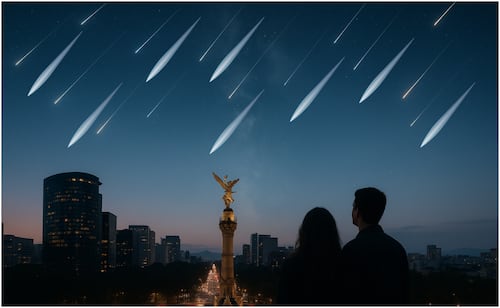
Eta Aquariids Meteor Shower Peaks: When to Watch the Cosmic Spectacle
Translated from Spanish, summarized and contextualized by DistantNews.
TLDR
- The Eta Aquariids meteor shower is expected to peak in early May 2026, offering a celestial spectacle.
- The best viewing conditions are predicted for the mornings of May 4th to 7th, with the peak visibility on the morning of May 6th.
- While the Southern Hemisphere will offer better views, observers in northern Mexico might see a few meteors low on the horizon, though a bright moon may hinder visibility.
Sky gazers in May are in for a treat with the anticipated peak of the Eta Aquariids meteor shower. This annual event is renowned for its swift meteors, which often leave bright, lingering trails across the night sky. Astronomers predict that under ideal conditions, viewers could witness up to 50 meteors per hour. The shower's activity will be most intense in the early morning hours of May 4th through 7th, with the absolute best time to observe the phenomenon being the dawn of Wednesday, May 6th. While the Southern Hemisphere is expected to provide the most spectacular views, those in the Northern Hemisphere, particularly in certain parts of northern Mexico, may catch a glimpse of these fast-moving celestial objects. However, the radiant point for observers in these regions will be low on the horizon, potentially limiting the number of visible meteors to around ten per hour. Adding to the challenge, the moon will be about 83% illuminated during the peak, which could obscure fainter meteors. To maximize viewing chances, experts suggest finding a location with a clear view of the sky and using natural obstructions like buildings or trees to block the moon's glare. This cosmic display serves as a reminder of the dynamic and ever-changing nature of our solar system, offering a moment of wonder for all who look up.
DistantNews Editorial
Originally published by El Universal in Spanish. Translated, summarized, and contextualized by our editorial team with added local perspective. Read our editorial standards.
More Stories



From Our Blog

What Press Freedom Means for the News You Read

What Gets Lost (and Found) When News Is Translated

The Critical Role of Diaspora Media in Global News

What Travellers Should Know About Countries with Restricted Press

A Digital Nomad's Guide to Following Local News
