

EU Aid and Sanctions Signal Continued Confrontation, Pushing Ukraine Peace Further Away
Translated from Vietnamese, summarized and contextualized by DistantNews.
TLDR
- Hungary and Slovakia lifted their veto on a 90 billion euro EU loan package for Ukraine, aimed at supporting the country from 2026-2027.
- The EU also approved its 20th sanctions package against Russia, further tightening energy restrictions.
- These decisions signal a continued confrontational approach by Europe, potentially pushing peace for Ukraine further away.
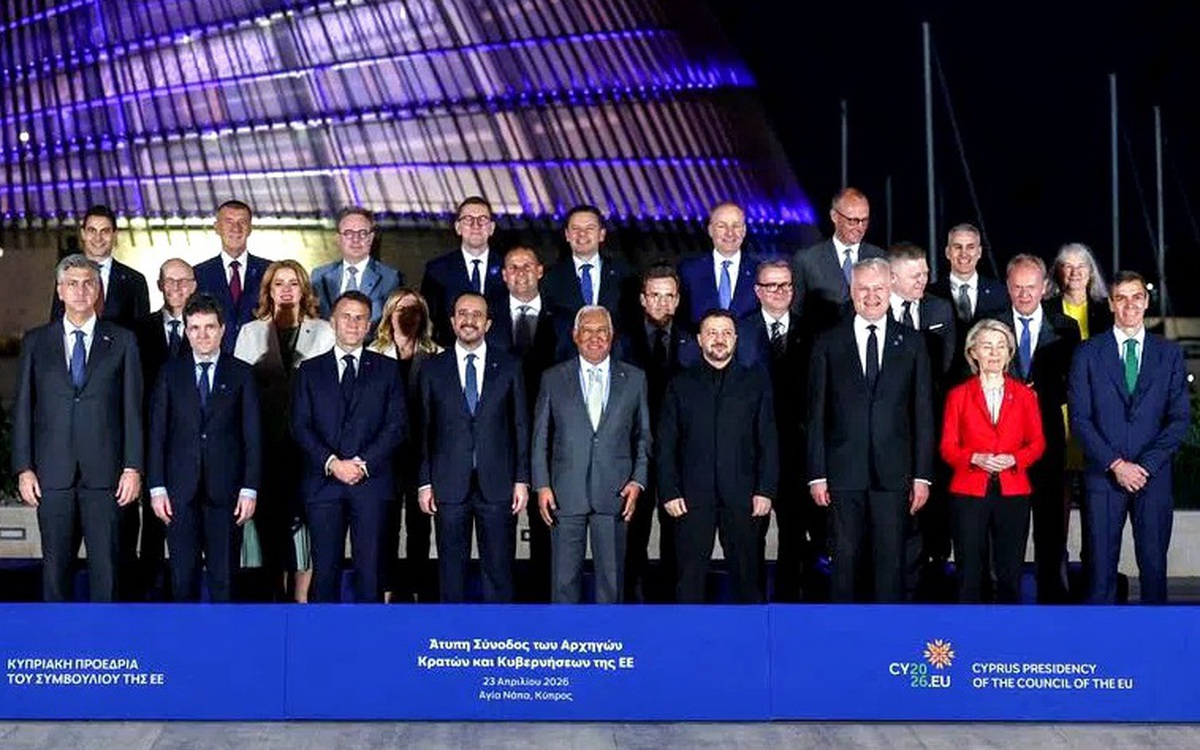
The recent EU summit in Cyprus saw significant developments, with Hungary and Slovakia finally withdrawing their objections to a crucial 90 billion euro financial aid package for Ukraine, set to be disbursed between 2026 and 2027. This decision, following months of delay primarily due to Hungarian Prime Minister Viktor Orbán's opposition, signals a unified European stance, albeit one that appears to prioritize continued support for Kyiv over immediate de-escalation.
Trừng phạt Nga nhưng EU không đưa ra được các biện pháp để giải quyết khủng hoảng năng lượng tại cuộc họp ở Cyprus ngày 23-4
Simultaneously, the EU rolled out its 20th sanctions package targeting Russia, intensifying energy-related restrictions. This dual approach—bolstering Ukraine financially while tightening the economic noose around Moscow—indicates Europe's firm commitment to its current strategy. However, as Tuổi Trẻ observes, this path of confrontation seems to be pushing the prospects for peace in Ukraine further into the distance.
Hai quyết định này báo hiệu châu Âu tiếp tục chọn con đường đối đầu, và hòa bình cho Ukraine ngày càng lùi xa.
Concerns are mounting about the potential for escalation. Ukrainian media outlets have reported that the substantial aid package might reduce Kyiv's willingness to make concessions to both the US and Russia, including troop withdrawals from Donbas. Adding to the tension, Russian officials have issued threats against drone production facilities in European countries supplying Ukraine, while Poland's Prime Minister has warned of potential Russian aggression against NATO members. These exchanges paint a grim picture of a continent teetering on the edge of a wider conflict.
Nếu Nga tấn công châu Âu, họ sẽ phải đối mặt với EU và Anh - khối dân số hơn nửa tỉ người, cùng các tên lửa Taurus và nhiều loại vũ khí khác. Nga sẽ không thể duy trì chiến tranh trên hai mặt trận.
From our perspective at Tuổi Trẻ, the EU's unwavering focus on sanctions and military aid, while understandable given the circumstances, risks overlooking diplomatic avenues. The narrative in Western media often centers on Russian aggression, but a more nuanced view, considering the potential for a prolonged conflict and its devastating consequences, is essential. The deep divisions emerging between Washington and its European allies also raise questions about the reliability of collective security, particularly in a nuclear context. While the EU believes its sanctions are pressuring Russia's war economy, the long-term implications for global stability and the path to peace in Ukraine remain uncertain, and perhaps, more distant than ever.
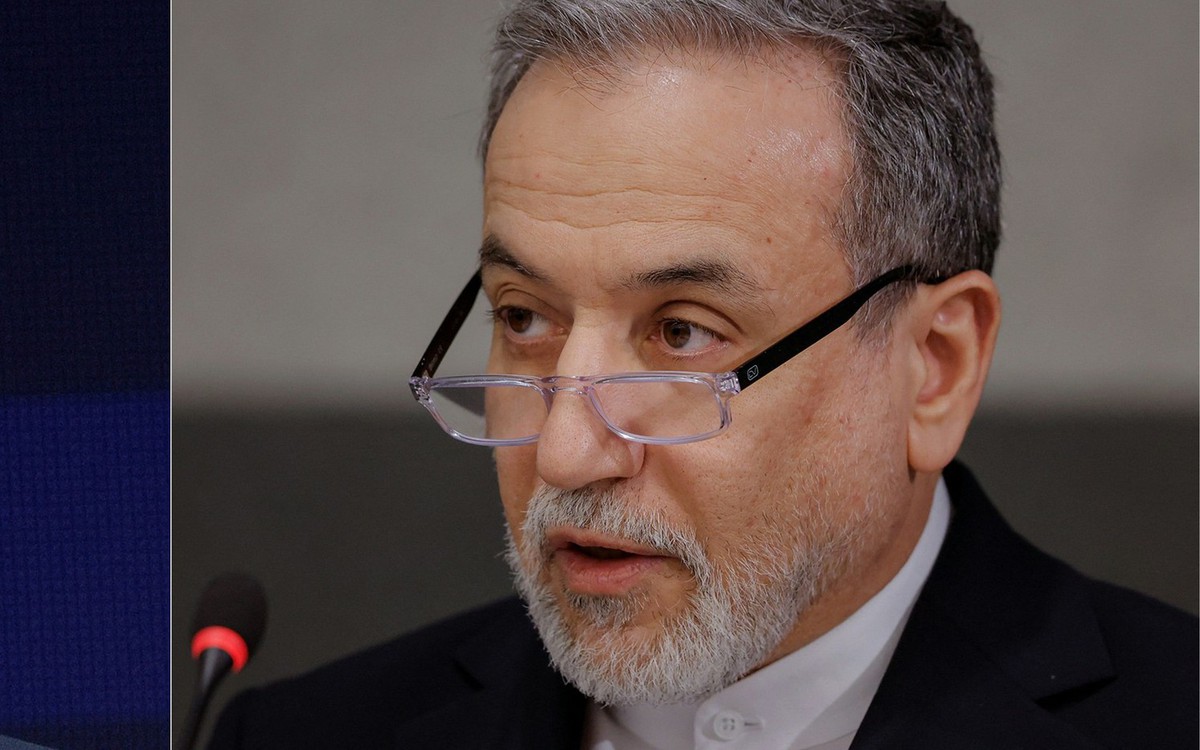
Cao ủy viên Ngoại giao EU Kaja Kallas tuyên bố: "Nền kinh tế chiến tranh của Nga đang chịu áp lực ngày càng tăng
DistantNews Editorial
Originally published by Tuổi Trẻ in Vietnamese. Translated, summarized, and contextualized by our editorial team with added local perspective. Read our editorial standards.
More Stories
From Our Blog

What Gets Lost (and Found) When News Is Translated

The Critical Role of Diaspora Media in Global News

What Travellers Should Know About Countries with Restricted Press

A Digital Nomad's Guide to Following Local News

How the Same Story Looks Different in Different Countries
