

EU Considers Talks With Moscow Post-Elections, Aligning With Hungary's Stance
Translated from Hungarian, summarized and contextualized by DistantNews.
TLDR
- EU leaders are reportedly considering opening negotiations with Moscow following recent elections.
- Ukrainian President Zelenskyy has urged European leaders to prepare for positive contributions to peace talks.
- Hungary's Prime Minister Viktor Orbán's earlier stance that the EU should not seek to defeat Russia militarily is gaining traction.
In a significant shift, Brussels appears to be 'waking up' to the necessity of engaging in dialogue with Moscow, a sentiment that resonates with Hungary's long-held position. The recent EU summit in Cyprus saw Ukrainian President Volodymyr Zelenskyy call for a proactive European approach to peace negotiations, a plea that seems to be finding fertile ground among member states increasingly wary of a protracted conflict.
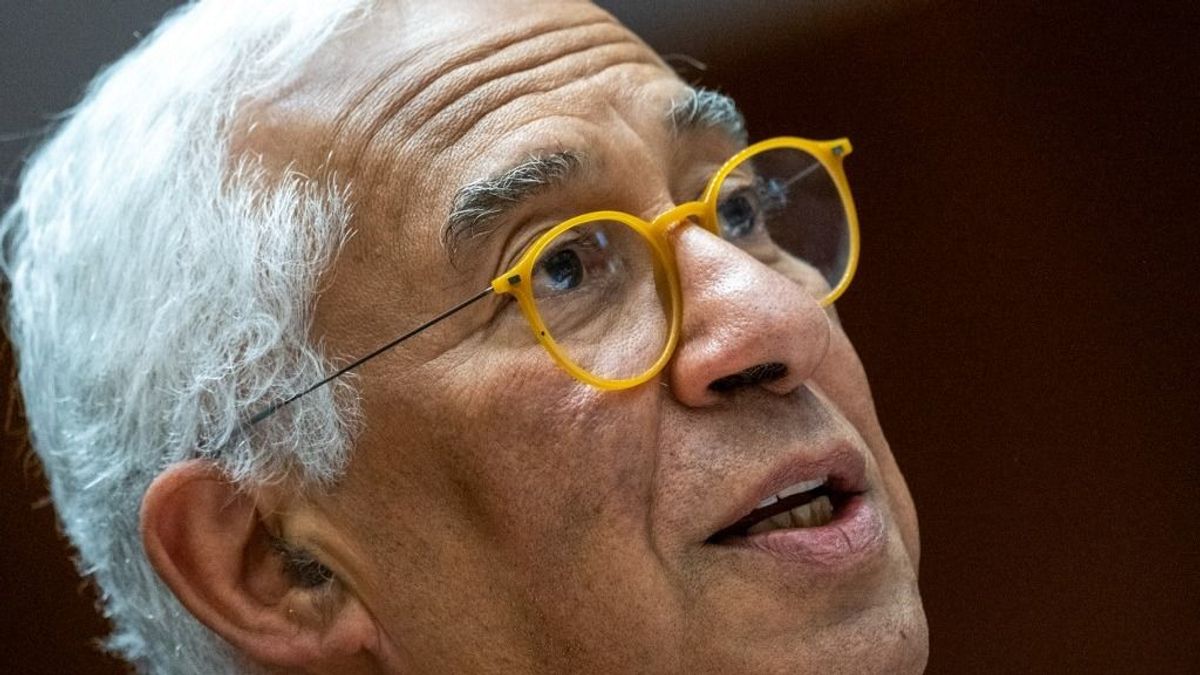
While the EU traditionally avoids making decisions regarding Ukraine without Kyiv's direct involvement, there's a growing apprehension that the absence of progress in peace talks between the US, Russia, and Ukraine could force the EU into accepting an unfavorable agreement. This concern is amplified by the lack of clear signals from the Kremlin regarding their willingness to negotiate with EU representatives, as noted by Portuguese Prime Minister Costa. The situation underscores a complex geopolitical dance, where European unity on a path to peace is being tested.
Yes, there is potential for negotiation with Putin, but so far no one has seen a sign from Russia that they really want to enter into serious negotiations.
This developing European approach aligns remarkably with the views consistently articulated by Hungarian Prime Minister Viktor Orbán. He has long argued against the EU's strategy of aiming to 'defeat Russia through attrition,' emphasizing that such a path leads to immense human suffering with no clear military solution. Orbán's perspective, often viewed with skepticism in Western capitals, now appears to be influencing the broader European discourse, suggesting that a negotiated settlement, rather than a military victory, might be the only viable way forward. This potential pivot highlights a divergence in strategic thinking within the EU, with Hungary advocating for a more pragmatic, peace-oriented diplomacy.
the EU's strategy is to defeat Russia in a war of attrition. Hungary disagrees with this, Orbán believes there is no solution on the front line, and hundreds of thousands of people will die on both sides.
DistantNews Editorial
Originally published by Magyar Nemzet in Hungarian. Translated, summarized, and contextualized by our editorial team with added local perspective. Read our editorial standards.
More Stories
From Our Blog

Countries Without a Free Press: What You Need to Know

What Press Freedom Means for the News You Read

What Gets Lost (and Found) When News Is Translated

The Critical Role of Diaspora Media in Global News

What Travellers Should Know About Countries with Restricted Press
