

EU Court Ruling on Hungary's Child Protection Law Sparks Outrage, Accusations of Ideological Overreach
Translated from Hungarian, summarized and contextualized by DistantNews.
TLDR
- The European Union's Court of Justice has ruled Hungary's child protection law unlawful, sparking outrage among international conservative circles.
- Critics, like AfD politician Irmhild Bossdorf, condemn the ruling as an attack on national sovereignty and parental rights, accusing Brussels of imposing ideological pressure.
- The ruling states that Hungary cannot restrict content related to sexual orientation for minors, deeming the law discriminatory and a violation of EU fundamental values.
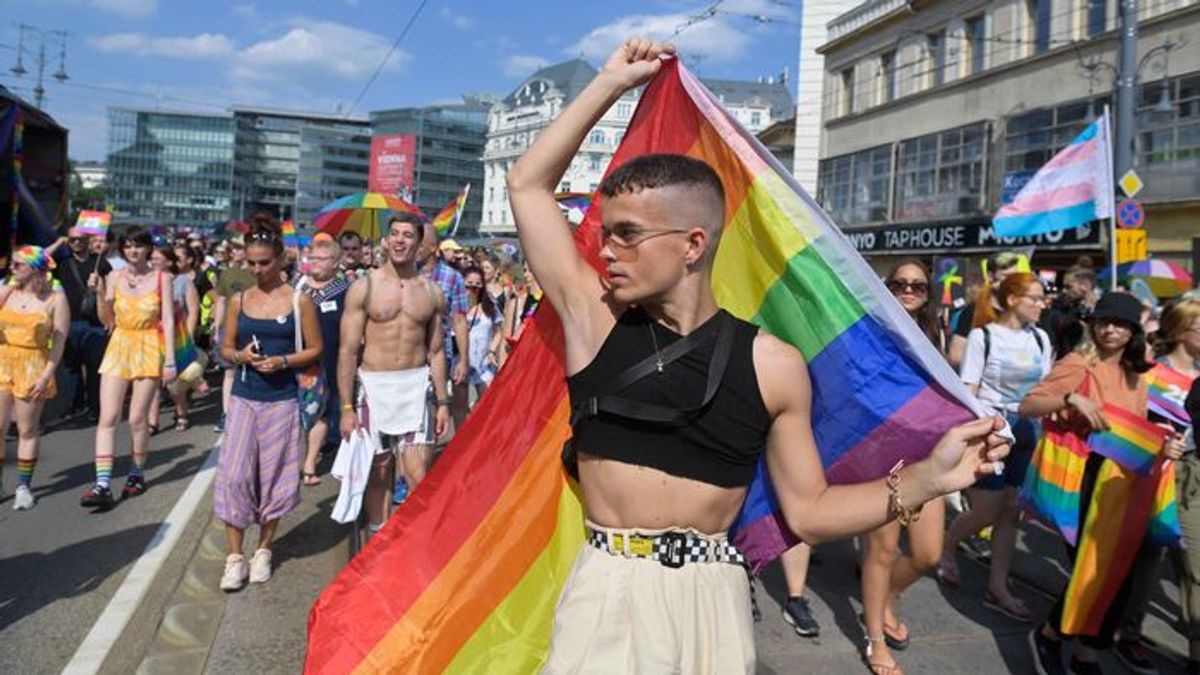
A significant clash has erupted between Hungary and Brussels, following the European Union's Court of Justice's decision to deem Hungary's child protection law unlawful. This ruling has sent shockwaves through conservative circles across Europe, igniting fierce debate and strong condemnation. Hungary, which enacted the law in 2021, maintains that its primary objective is to shield children from premature sexualization and ideological influences, a stance supported by a significant portion of its populace.
The ruling is a frontal attack on national sovereignty and on parents’ constitutionally guaranteed right to raise their children. With this law, Hungary merely seeks to ensure that children are protected from premature sexualization and ideological influence. This is also backed by the broad democratic mandate of 3.7 million Hungarians.
From Hungary's perspective, as articulated by figures like AfD politician Irmhild Bossdorf, the EU court's decision represents a blatant overreach and an assault on national sovereignty. Bossdorf argues that Brussels is attempting to impose a "gender ideology detached from reality" on member states, disregarding the fundamental right of parents to raise their children according to their values. This perspective emphasizes that Hungary's law is not an act of discrimination but a legitimate measure to protect minors, backed by a strong democratic mandate from its citizens.
The ruling, which prohibits Hungary from restricting content related to sexual orientation accessible to minors, is viewed by proponents of the law as a direct challenge to traditional family values and national competencies in education and family policy. They contend that the EU is prioritizing "sexual identity" over the protection of children, a position that stands in stark contrast to Hungary's commitment to safeguarding its youth. This divergence highlights a deep ideological divide between Hungary and certain EU institutions, particularly concerning social and cultural issues.
What we are seeing is that EU centralism is attempting to impose a gender ideology detached from reality on sovereign nations against their will. While Brussels places the right to sexual identity above the protection of minors, the AfD continues to stand with those who defend the traditional family as the foundation of our society.
Magyar Nemzet, reflecting a national viewpoint, views this ruling with deep concern and solidarity with the Hungarian government's efforts to uphold its national laws and protect its children. The narrative promoted is one of a sovereign nation defending its borders and values against external ideological pressure. The international reaction, particularly from conservative allies, is seen as a validation of Hungary's stance and a call for greater respect for member states' autonomy in matters deemed crucial to their national identity and social fabric.
Under the ruling, Hungary may not restrict, in this manner, content accessible to minors related to sexual orientation.
DistantNews Editorial
Originally published by Magyar Nemzet in Hungarian. Translated, summarized, and contextualized by our editorial team with added local perspective. Read our editorial standards.
More Stories
From Our Blog

Countries Without a Free Press: What You Need to Know

What Press Freedom Means for the News You Read

What Gets Lost (and Found) When News Is Translated

The Critical Role of Diaspora Media in Global News

What Travellers Should Know About Countries with Restricted Press
