

EU mobile providers face massive costs over network overhaul
Translated from German, summarized and contextualized by DistantNews.
At a glance
News
Sources not specified
Context piece
- The EU aims to reduce dependence on foreign technology by securing mobile networks, particularly removing high-risk providers, primarily from China.
- Initial EU cost estimates of 4 billion euros are dwarfed by an industry study suggesting up to 40 billion euros for a complete overhaul.
- The significant cost discrepancy highlights differing views between policymakers focused on component replacement and the industry considering the complex, interconnected nature of modern mobile infrastructure.
The European Union is embarking on a costly initiative to enhance the security and independence of its mobile networks, aiming to reduce reliance on foreign technology, particularly from China. The strategy involves removing high-risk providers from network infrastructure, a move the EU initially estimated would cost around 4 billion euros.
However, a study by the international industry association GSMA presents a starkly different and more alarming financial picture. The GSMA suggests that a complete replacement of equipment could escalate costs to as much as 40 billion euros. This substantial discrepancy underscores a fundamental difference in how policymakers and the industry perceive the implications of the EU's Cybersecurity Act 2 (CSA-2).
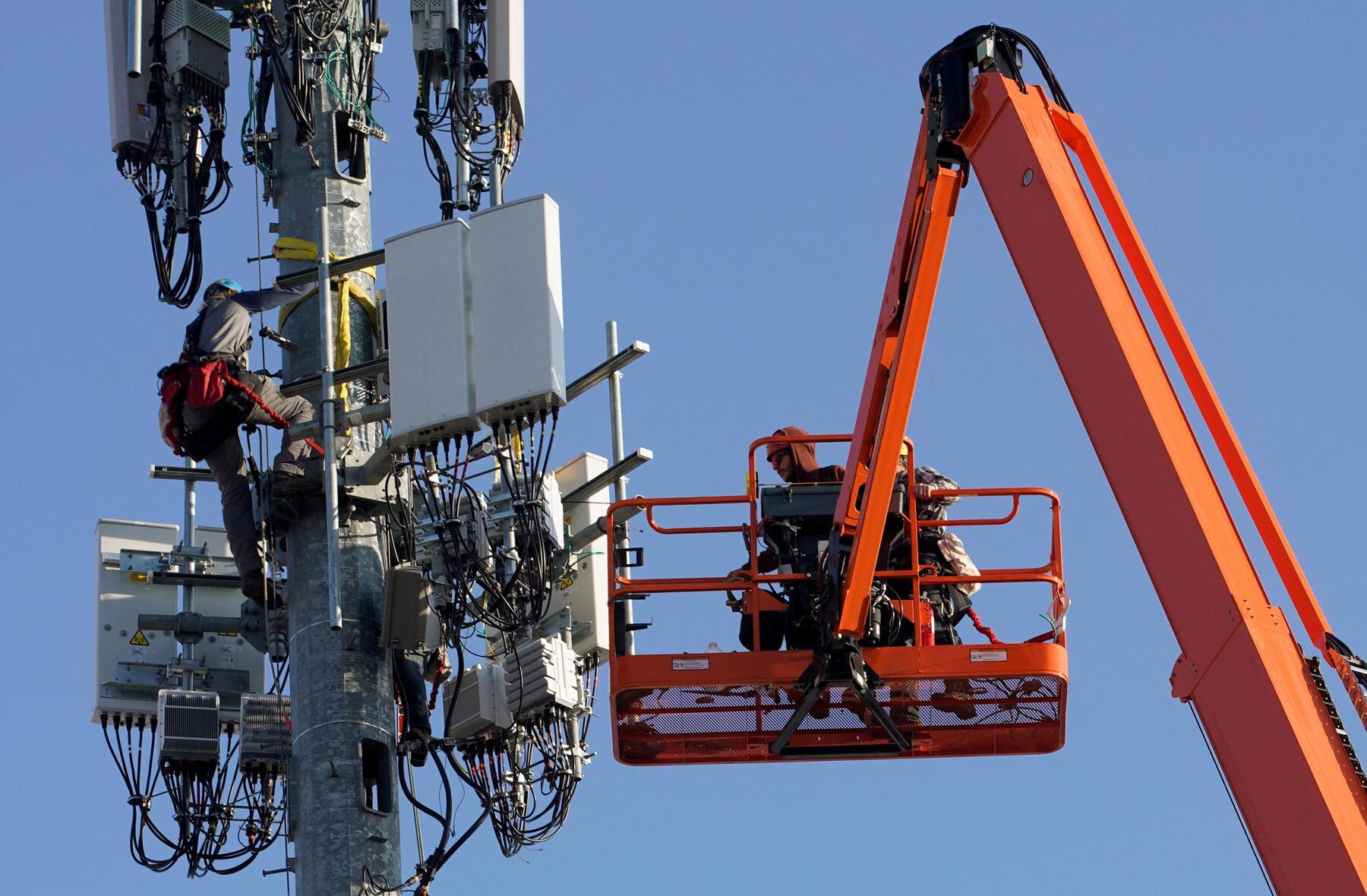
While Brussels focuses on the direct expenses of swapping out specific components, the mobile industry views the issue through the lens of modern network complexity. Current mobile infrastructure is not merely a collection of interchangeable parts; it involves deeply integrated radio technology, antennas, base stations, control systems, and software. Removing one manufacturer necessitates extensive re-planning, testing, and integration of entire network sections.
Beyond hardware replacement, additional costs include planning services, software adjustments, modifications to transport networks, and potential delays in overall network expansion. The GSMA's analysis indicates that the hardware itself constitutes only a fraction of the total expenditure.
In Austria alone, the potential costs are staggering. Huawei Austria spokesperson Michael Nowak warns that implementing CSA-2 as proposed would require replacing large portions of existing, functional network infrastructure, presenting a technically and economically complex undertaking with significant risks. Klaus Steinmaurer, head of Austria's regulatory authority RTR, estimates additional costs for Austria to exceed two billion euros, describing the EU's push as excessive and economically burdensome due to the forced, rapid exchange.
DistantNews Editorial
Originally published by Die Presse in German. Translated, summarized, and contextualized by our editorial team with added local perspective. Read our editorial standards.
More Stories


From Our Blog

What Gets Lost (and Found) When News Is Translated

The Critical Role of Diaspora Media in Global News

What Travellers Should Know About Countries with Restricted Press

A Digital Nomad's Guide to Following Local News

How the Same Story Looks Different in Different Countries
