

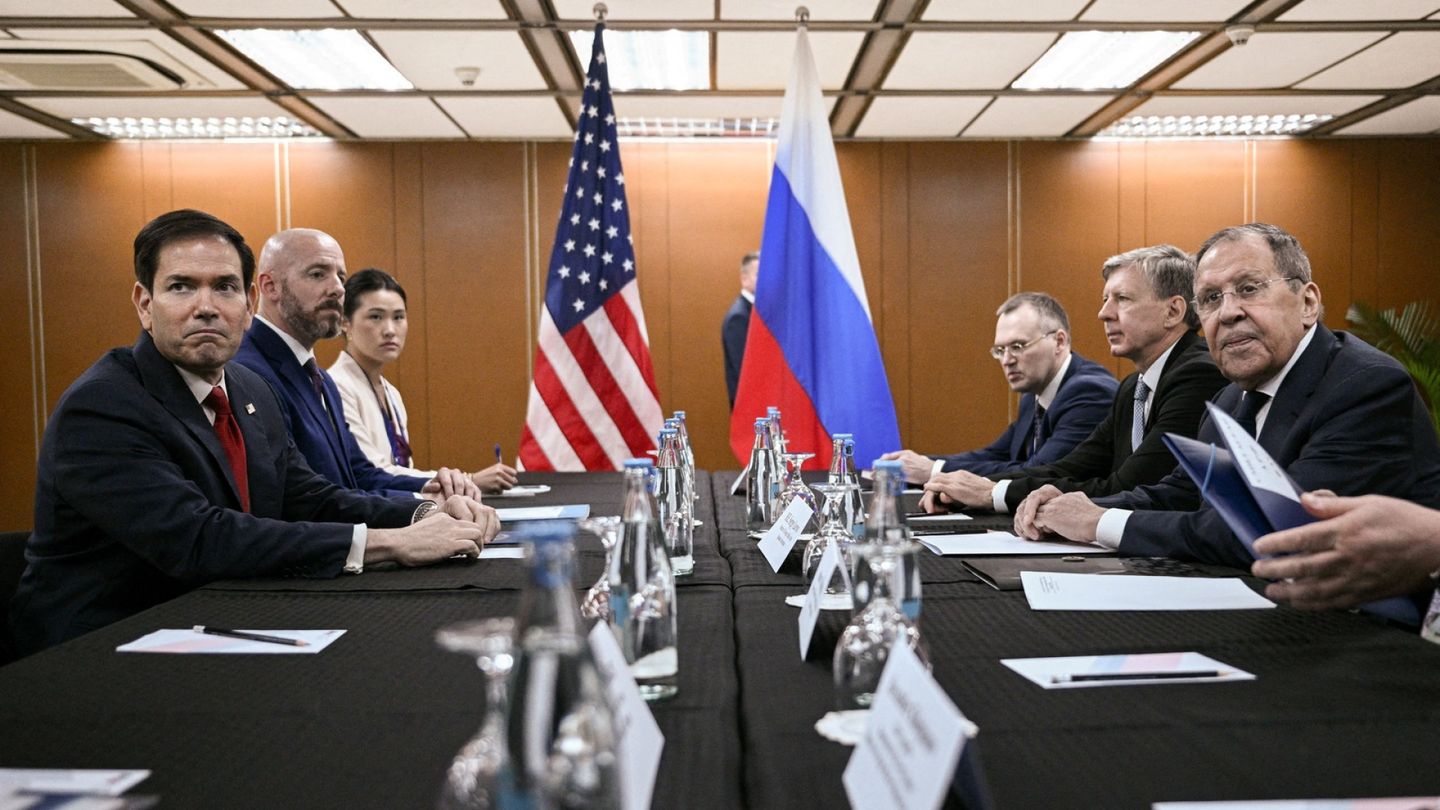

EU's attention to Ukraine war wanes as internal disputes over Russia sanctions emerge
Translated from Finnish, summarized and contextualized by DistantNews.
At a glance
News
Sources not specified
Context piece
- Ukraine has gained the initiative in the war, launching effective strikes deep into Russian territory, including on oil infrastructure and logistics hubs.
- These attacks have led to fuel shortages in Russia, impacting daily life and contributing to growing public dissatisfaction.
- Despite Ukraine's successes, Western attention is waning, evidenced by internal EU disputes over new sanctions against Russia, weakening the united front against Moscow.
Russia is increasingly feeling the strain of its prolonged war in Ukraine, with Ukrainian forces seizing the initiative through a series of impactful strikes. Ukrainian attacks have hampered Russia's ability to supply occupied Crimea and have targeted ships in the Sea of Azov with surprising effectiveness. Ukrainian drones are now reaching deeper into Russia, striking oil industry targets and causing fuel shortages that have led to queues at gas stations and even affected emergency vehicles.
The war's escalating costs are becoming undeniable for ordinary Russians. Public services have deteriorated while taxes have risen, and food prices continue to climb. This growing discontent is met by the Kremlin with increased repression, including internet shutdowns and intensifying rumors of mobilization, further highlighting the disconnect between state propaganda and reality.
While the West acknowledges Ukraine's enhanced strike capabilities and Russia's internal pressures, hopes of an imminent Russian collapse have faded. However, a concerning trend is the apparent waning of Western attention. This is exemplified by the recent difficult negotiations within the EU over new sanctions against Russia. Major member states, including Greece, Germany, France, Italy, and Portugal, pushed to dilute proposed sanctions, particularly concerning the transport of liquefied natural gas from Russia. Greece, with its large shipping industry, was especially active in seeking exemptions.
Ultimately, the EU reached an agreement on its 21st sanctions package, but only after watering down the initial proposals. This compromise was partly driven by the need to avoid an automatic increase in the price cap on Russian oil, which would have benefited Russia amid rising global prices. Meanwhile, Ukraine faced its own political crisis when President Volodymyr Zelenskyy dismissed the commander of the armed forces, Oleksandr Syrskyi.
DistantNews Editorial
Originally published by Helsingin Sanomat in Finnish. Translated, summarized, and contextualized by our editorial team with added local perspective. Read our editorial standards.
More Stories


From Our Blog

What Gets Lost (and Found) When News Is Translated

The Critical Role of Diaspora Media in Global News

What Travellers Should Know About Countries with Restricted Press

A Digital Nomad's Guide to Following Local News

How the Same Story Looks Different in Different Countries
