

EU's Egyptian LNG Imports Plummet Over 90%, Exposing Energy Vulnerabilities
Translated from Hungarian, summarized and contextualized by DistantNews.
TLDR
- European Union LNG imports from Egypt have drastically decreased, falling from approximately 4.2 billion cubic meters in 2022 to a projected 0.3 billion cubic meters in 2025.
- This represents a decline of over 90% and highlights Europe's vulnerability in energy supply, particularly in light of recent geopolitical conflicts.
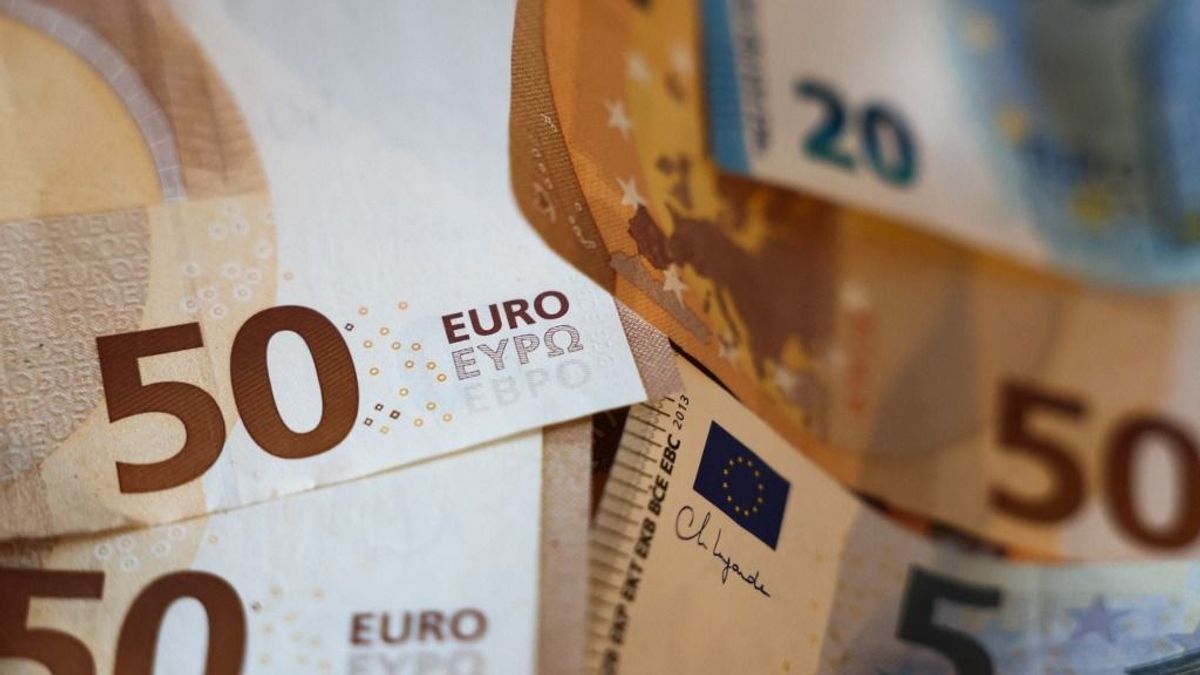
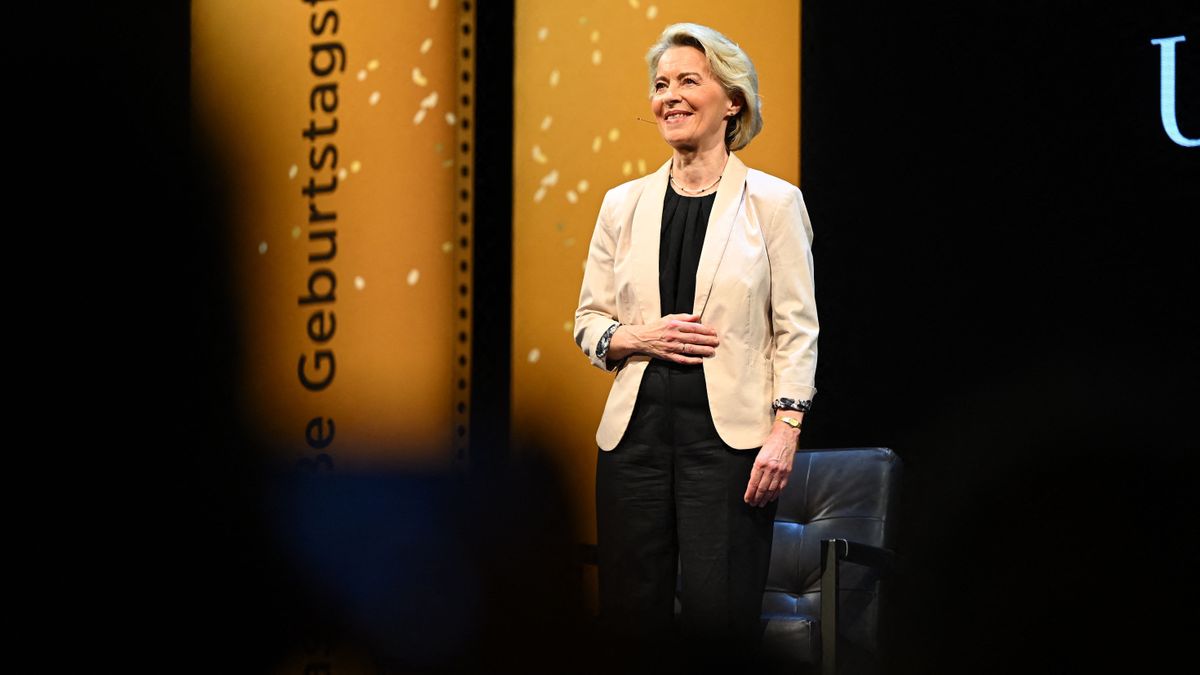
- European Commission President Ursula von der Leyen's financial package of 7.4 billion euros for Egypt, intended for economic stabilization and migration control, is seen by experts as primarily impacting the energy sector.
The European Union's ambitious energy diversification strategy, particularly its reliance on Liquefied Natural Gas (LNG) from Egypt, appears to be faltering significantly. Data from S&P Global and the Oxford Energy Institute reveals a dramatic slump in these imports, plummeting from around 4.2 billion cubic meters in 2022 to a mere 0.3 billion cubic meters anticipated for 2025. This staggering decrease, exceeding 90%, starkly illustrates Europe's precarious energy situation and exposes the fragility of agreements made in pursuit of energy independence.
This sharp decline underscores the vulnerability of Europe's energy supply, a reality brought into sharp focus by recent geopolitical conflicts involving Iran, the United States, and Israel. The situation casts a shadow over the European Commission's promises and investments. President Ursula von der Leyen's commitment of a substantial 7.4 billion euro package to Egypt, earmarked for economic stabilization and combating migration until 2027, is viewed by energy experts with skepticism. They suggest that the primary, albeit perhaps unstated, beneficiary of this significant financial injection is likely the energy sector, raising questions about the transparency and effectiveness of such large-scale financial aid.
From Hungary's perspective, this situation is deeply concerning. Our nation, like many in Central and Eastern Europe, has long advocated for realistic and secure energy policies. The apparent failure of the EU's strategy with Egypt highlights the need for pragmatic solutions rather than aspirational, and potentially empty, promises. The significant funds allocated by the Commission could perhaps be better utilized in strengthening domestic energy infrastructure or diversifying sources through more reliable, long-term partnerships. This episode serves as a stark reminder that Europe's energy security cannot be built on shifting sands, and that a more grounded, transparent, and regionally-focused approach is urgently required.
DistantNews Editorial
Originally published by Magyar Nemzet in Hungarian. Translated, summarized, and contextualized by our editorial team with added local perspective. Read our editorial standards.
More Stories

From Our Blog

Countries Without a Free Press: What You Need to Know

What Press Freedom Means for the News You Read

What Gets Lost (and Found) When News Is Translated

The Critical Role of Diaspora Media in Global News

What Travellers Should Know About Countries with Restricted Press
