

EU's Russian LNG Imports Surge Despite Sanctions Due to Contract Loophole
Translated from German, summarized and contextualized by DistantNews.
At a glance
News
Documents & data
Context piece
- Despite EU sanctions aiming to curb Russian energy imports, the bloc's imports of Russian liquefied natural gas (LNG) increased by 17.9% in the first five months of the year compared to the same period in 2025.
- Data shows that 92% of LNG exports from Russia's Yamal facility in May went to EU ports, highlighting a loophole in sanctions that allows for continued trade under specific contract conditions.
- The European Commission has proposed a new sanctions package to restrict the sale of LNG tankers to Russia, a move praised as hitting one of Russia's "Achilles' heels" but requiring strict enforcement.
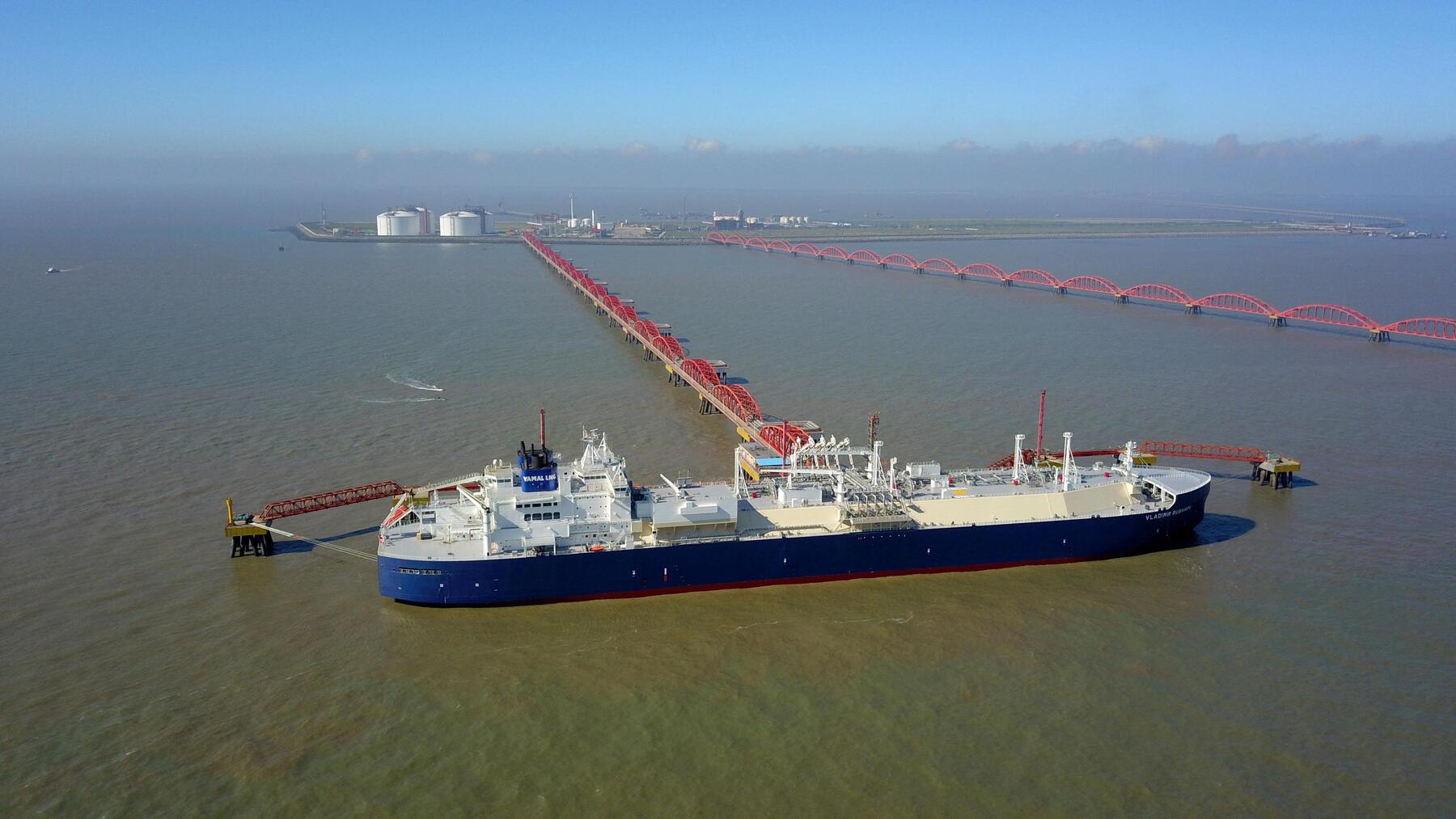
Despite European Union sanctions intended to curtail Russian energy imports, the bloc continues to rely heavily on Russian liquefied natural gas (LNG). New data reveals that in the first five months of this year, EU ports received 114 tankers of Russian LNG, while only four were destined for China. This trend underscores a significant loophole in the EU's sanctions regime.
Analysis from market research firm Kpler, commissioned by the environmental organization Urgewald, shows a stark increase in LNG imports from Russia's Yamal facility. From January to May, these imports rose by 17.9% compared to the previous year. In May alone, 23 out of 25 LNG shipments from Yamal arrived in EU ports, representing 92% of the facility's total exports for that month and a substantial increase from May 2025.
This continued flow of Russian LNG to Europe, despite sanctions, is financing Russia's war in Ukraine. Urgewald estimates that Moscow earns approximately 29 million euros daily from these sales to Europe. Key European ports receiving and redirecting this gas include Dunkirk and Montoir in France, Zeebrugge in Belgium, Rotterdam in the Netherlands, and Bilbao and Mugardos in Spain.
The issue stems from a gap in the EU's sanctions. While a ban on short-term contracts for Russian LNG took effect in April 2026, it permits contracts concluded between June 2025 and March 2026 to remain valid. This allows European nations to import as much LNG as possible under these existing agreements. Sebastian Rötters of Urgewald views the European Commission's proposed ban on selling LNG tankers to Russia as a positive step, calling it a move that "hits one of Russia's Achilles' heels," but stresses the critical need for "flawless enforcement."
DistantNews Editorial
Originally published by Die Presse in German. Translated, summarized, and contextualized by our editorial team with added local perspective. Read our editorial standards.
More Stories


From Our Blog

What Gets Lost (and Found) When News Is Translated

The Critical Role of Diaspora Media in Global News

What Travellers Should Know About Countries with Restricted Press

A Digital Nomad's Guide to Following Local News

How the Same Story Looks Different in Different Countries
