


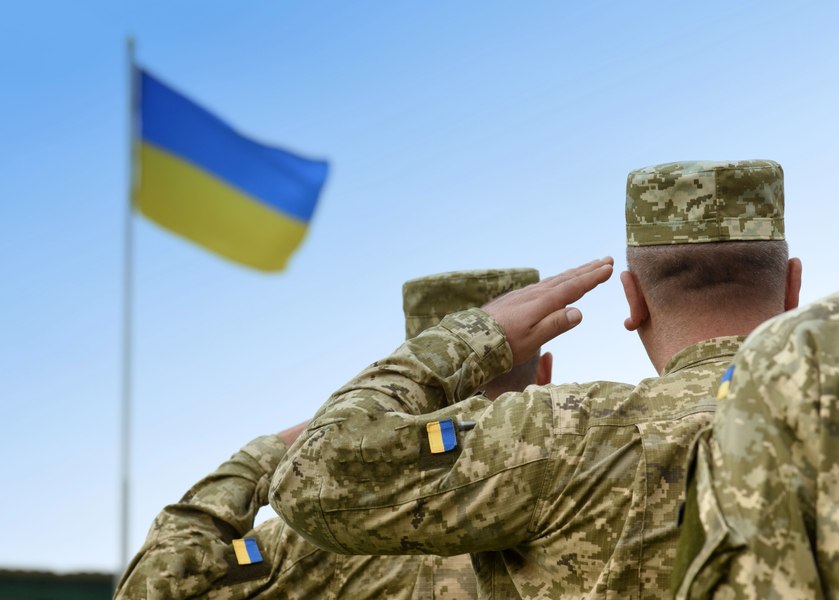
EU Tightens Entry Rules for Ukrainian Men of Military Age
Translated from Romanian, summarized and contextualized by DistantNews.
At a glance
News
From a news agency
New plan
- The European Union has approved new rules restricting temporary protection for Ukrainian men of military age.
- Ukrainian men aged 23-60 will only receive protection if they prove they have fulfilled military obligations or are officially exempt.
- This measure aims to prevent individuals from avoiding military service during the ongoing conflict with Russia.
The European Union has adopted new regulations that tighten entry conditions for Ukrainian men of military age seeking temporary protection. This decision comes in response to a request from Kyiv authorities, aiming to limit access for those attempting to evade military service amidst the war with Russia.
Under the new agreement, Ukrainian men between the ages of 23 and 60 will be eligible for the EU's temporary protection scheme only if they can demonstrate that they have met their military obligations or have been officially exempted. This stipulation applies exclusively to individuals entering the EU for the first time. While these men can still apply for asylum individually, the process will involve stricter conditions and offer a lower chance of obtaining a residence permit or international protection.
To comply with the revised rules, men of conscription age will be required to present documents issued by Ukrainian authorities confirming their military status. Accepted documents include a passport stamped with an exit from Ukraine or official papers certifying the fulfillment of military service or legal exemption from it.
This change marks a significant departure from the current system. Since the war's outset, Ukrainian refugees have been granted protection in EU states through the Temporary Protection Directive. This mechanism allowed for the rapid granting of residency rights without individual case reviews, facilitating simpler access to protection in the EU compared to asylum seekers from other nations.
DistantNews Editorial
Originally published by Adevărul in Romanian. Translated, summarized, and contextualized by our editorial team with added local perspective. Read our editorial standards.
More Stories



From Our Blog

What Gets Lost (and Found) When News Is Translated

The Critical Role of Diaspora Media in Global News

What Travellers Should Know About Countries with Restricted Press

A Digital Nomad's Guide to Following Local News

How the Same Story Looks Different in Different Countries
