

EU waters down Russia sanctions over fears China could seize key LNG assets
Summarized and contextualized by DistantNews.
At a glance
News
Named sources
Context piece
- The EU has eased its latest sanctions on Russia, allowing EU operators to continue transporting Russian liquefied natural gas (LNG) to third countries for one year.
- This decision was made to prevent Greek companies from transferring strategically important shipping assets to China, highlighting Beijing's growing leverage in the global economy.
- The EU also sanctioned 14 Chinese and Hong Kong entities for allegedly violating Russia bans on dual-use goods or aiding Moscow's war effort.
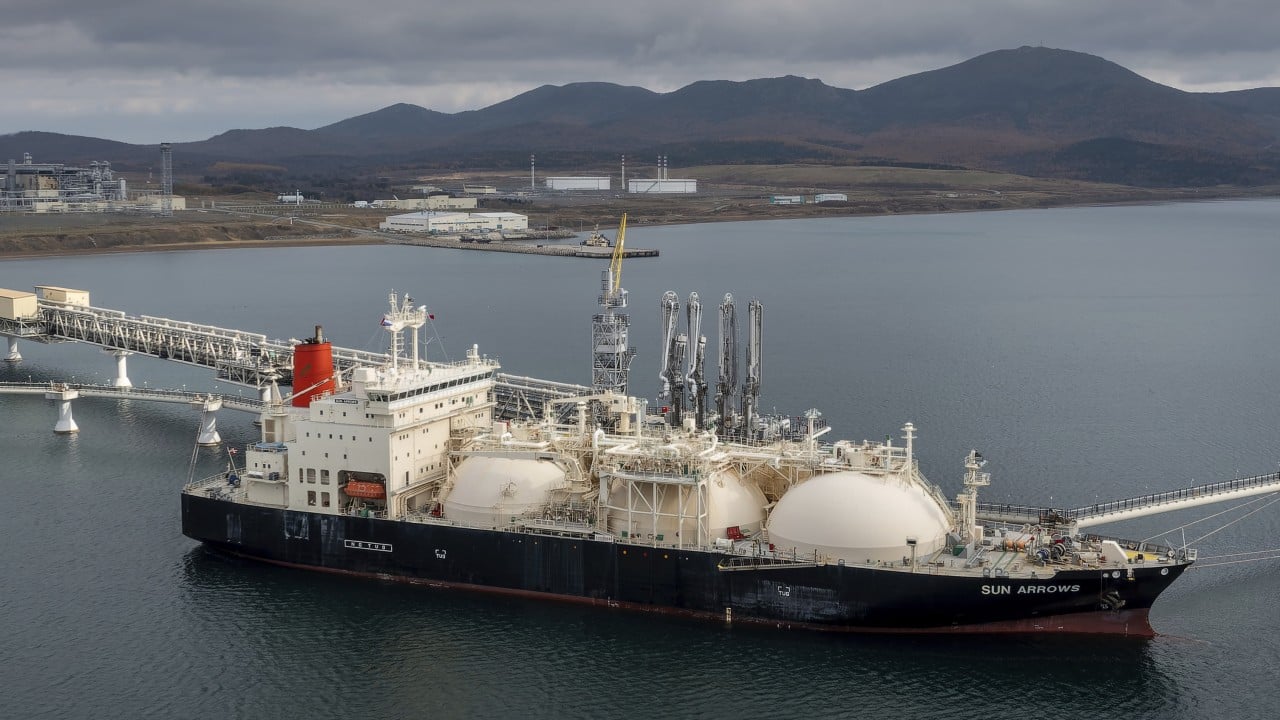
The European Union has softened its latest sanctions package against Russia, opting to permit EU companies to continue transporting Russian liquefied natural gas (LNG) to third countries for a year. This move comes after concerns that a stricter ban could inadvertently transfer crucial shipping assets to China.
The bulk of these vessels has been bought through financial arrangements with … a loan with a very long repayment schedule with Chinese investors, and the Chinese are also shareholders of the company.
Officials explained that the carve-out was necessary due to China's significant role in maritime finance and shipping. A senior EU official noted that many of these vessels were acquired through financial arrangements with Chinese investors, including long-term loans. If companies default on these loans, they risk losing control of the assets to Chinese investors, a situation described as "very serious" and a "very big risk."
So, if the company will not be able to repay the loan thanks to what they get in terms of revenues from the business, they will simply need to lose control of assets and give it back to the investor.
In parallel, the EU has included 14 mainland Chinese and Hong Kong entities in the sanctions list. These entities are accused of circumventing EU bans on dual-use goods originating from Europe or of supporting Russia's war efforts. The EU continues to pressure Beijing to leverage its influence over Russian President Vladimir Putin to end the conflict.
very serious
DistantNews Editorial
Originally published by South China Morning Post. Summarized and contextualized by our editorial team with added local perspective. Read our editorial standards.
More Stories
From Our Blog

Countries Without a Free Press: What You Need to Know

What Press Freedom Means for the News You Read

What Gets Lost (and Found) When News Is Translated

The Critical Role of Diaspora Media in Global News

What Travellers Should Know About Countries with Restricted Press
