


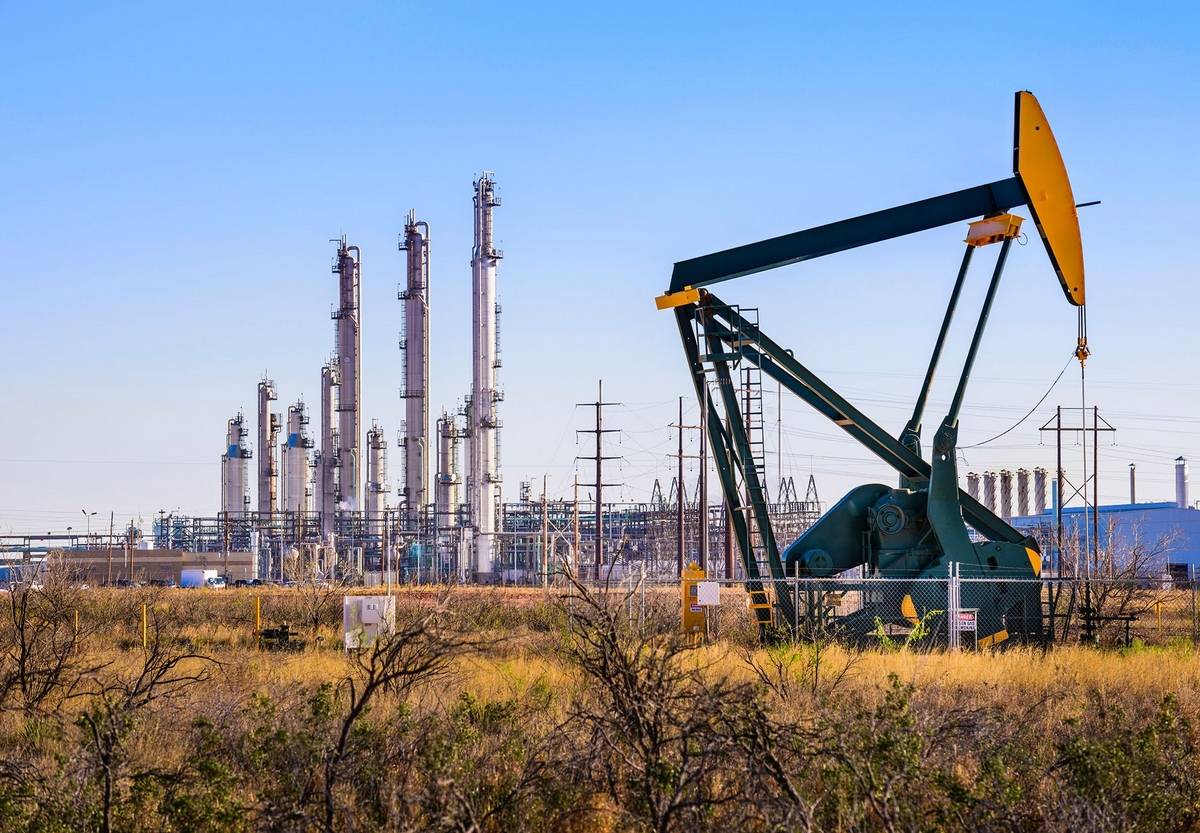
Eurasian energy routes become geopolitical battlegrounds as traditional resource logic shifts
Translated from English and summarized by DistantNews. Read the original for the full story.
At a glance
News
Sources not specified
Context piece
- The geopolitics of energy is shifting from resource abundance to the security and accessibility of transit routes, impacting Central Asian producers.
- Kazakhstan relies on Russian routes, Turkmenistan has limited export options, and Uzbekistan looks south, while China builds diverse Eurasian connections.
- The vulnerability of maritime routes like the Strait of Hormuz elevates the importance of inland pipelines and rail, making Central Asia a key strategic area.
For decades, the global energy map was defined by where resources lay – the Persian Gulf's oil, Russia's gas to Europe, and Central Asia's production capacity. However, a new reality is emerging where wars, sanctions, and geopolitical competition are reshaping this logic. The strategic importance of energy is no longer solely about what's underground, but critically about whether it can reach international markets, via which routes, and with how many alternative options.
The Middle East is the only region that can actually supply oil and gas to growing China and India’s needs.
Central Asian nations like Kazakhstan, Turkmenistan, and Uzbekistan are finding this shift particularly consequential. Kazakhstan's heavy dependence on routes through Russia highlights its vulnerability. Turkmenistan, despite vast gas reserves, faces limited export channels. Uzbekistan is increasingly looking towards Afghanistan to secure new connections to global markets. Meanwhile, China is actively constructing multiple routes across Eurasia, aiming to reduce its reliance on maritime chokepoints and single corridors.
Abzal Narymbetov, an oil and gas industry expert, explains that while the US and China lead in production, countries with significant exportable surpluses are few, primarily in the Middle East. "The Middle East is the only region that can actually supply oil and gas to growing China and India’s needs," Narymbetov stated. He emphasized that the vulnerability of routes, such as the Strait of Hormuz, transforms energy supply into a strategic geopolitical issue. "When you have a bottleneck like the Hormuz, then you will have the next road is only the inland," he noted.
When you have a bottleneck like the Hormuz, then you will have the next road is only the inland.
While inland routes cannot replace the sheer volume of maritime energy flows, their geopolitical value rises significantly when sea lanes become precarious. This is precisely why China's expansion of pipelines and rail across the Eurasian landmass is so significant. Narymbetov asserts that China must develop these alternatives due to its immense and growing energy consumption. "China needs to develop inland routes, because there is no way that you will replace the oil and gas consumption that China now needs," he said. This strategic imperative places Central Asia at a critical juncture, fundamentally altering its position in global energy discussions.
China needs to develop inland routes, because there is no way that you will replace the oil and gas consumption that China now needs.
About this summary
Originally published by The Astana Times in English. Translated, summarized, and contextualized automatically by DistantNews, with a note on how the source frames the story. Not individually reviewed before publishing. How this works.
More Stories

From Our Blog

What Gets Lost (and Found) When News Is Translated

The Critical Role of Diaspora Media in Global News

What Travellers Should Know About Countries with Restricted Press

A Digital Nomad's Guide to Following Local News

How the Same Story Looks Different in Different Countries
