


Kazakhstan and Singapore to Expand Cooperation in Key Sectors
Translated from English, summarized and contextualized by DistantNews.
At a glance
News
Named sources
New plan
- Kazakhstan and Singapore aim to deepen bilateral cooperation, building on historical ties established 35 years ago.
- Both nations see significant potential in expanding collaboration in trade, investment, transport, artificial intelligence, and digitalization.
- Singapore's experience in urban development and aviation, particularly Changi Airport, is seen as a model for Kazakhstan's new airport project in Astana.
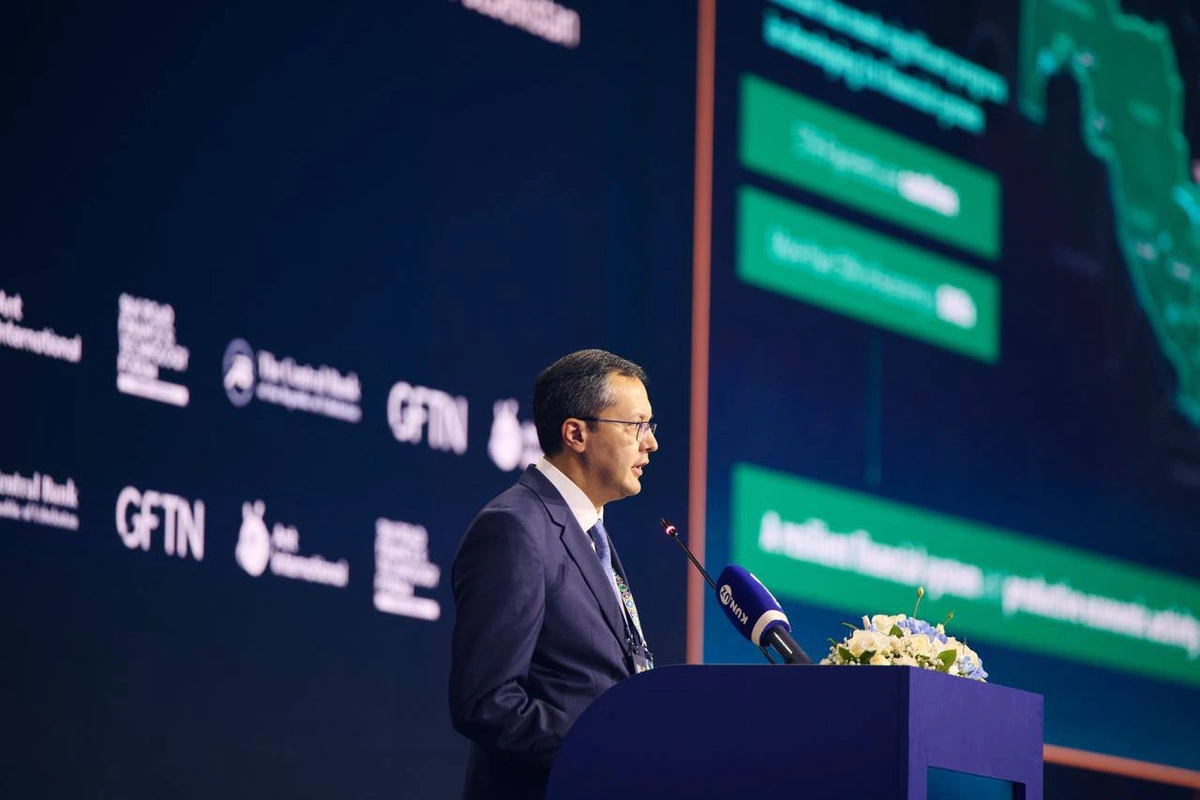
Kazakhstan and Singapore are poised to significantly expand their cooperation across multiple strategic sectors, building on a relationship that began with Lee Kuan Yew's visit in September 1991, shortly after Kazakhstan gained independence. President Kassym-Jomart Tokayev emphasized the historical significance of this visit, stating it laid a "solid foundation" for bilateral relations. He praised Singapore's transformation into a global hub for finance, trade, innovation, and technology, viewing its experience as an "inspiring example" for the international community.
Exactly 35 years ago, in September 1991, at the dawn of Kazakhstan's independence, your father Lee Kuan Yew visited our country. His visit laid a solid foundation for our bilateral relations. We highly value the visionary policy of Singapore's leadership and its impressive transformation into a global hub for finance, trade, innovation, and technology. Your country's experience serves as an inspiring example for the entire international community.
The two countries, described as each other's largest trading partners in Central and Southeast Asia respectively, are witnessing dynamic growth in their relationship. Trade turnover is increasing, and Singaporean capital investment in Kazakhstan is accelerating, with nearly 500 companies now operating in the country. President Tokayev highlighted the shared status of both nations as middle powers and noted their aligned positions on many international issues.
Kazakhstan is currently undergoing large-scale political reforms focused on improving public administration and the political system. President Tokayev assured that his country prioritizes creating a favorable investment climate and protecting foreign investors' rights, citing successful operations of Singaporean firms like PSA International and Temasek Holdings.
In fact, Kazakhstan and Singapore remain each other's largest trading partners in their respective regions, Central and Southeast Asia. The number of companies with Singaporean capital in our country has reached nearly 500 and continues to grow.
A key area for future collaboration is the transport and logistics sector, particularly aviation. Kazakhstan plans to build a new, modern airport in Astana to meet growing demands. President Tokayev expressed particular interest in Singapore's expertise, referencing Changi Airport as a "gold standard" for its efficiency, innovation, and service quality. Kazakhstan intends to leverage this experience to elevate bilateral cooperation in aviation to a new level.
We have decided to build a new, modern airport in Astana to meet the growing needs for aviation hub development. In this regard, Singapore's advanced experience is of particular interest to us. Changi Airport, as a recognized 'gold standard' of world aviation, personifies a high level of efficiency, advanced innovation, and impeccable service quality. We intend to utilize this experience in implementing our new project and take bilateral cooperation in the aviation sector to a new level.
Furthermore, the leaders proposed intensifying collaboration in artificial intelligence and digitalization. President Tokayev described Kazakhstan as a "digital country," driven by state reforms that foster rapid growth in digital technology and AI leadership. This focus signals a commitment to leveraging cutting-edge technologies for national development.
Kazakhstan is a digital country. The rapid growth of Kazakhstan as a leader in digital technology and artificial intelligence is driven by the state's structural reforms.
DistantNews Editorial
Originally published by Tengrinews in English. Translated, summarized, and contextualized by our editorial team with added local perspective. Read our editorial standards.
More Stories
From Our Blog

What Gets Lost (and Found) When News Is Translated

The Critical Role of Diaspora Media in Global News

What Travellers Should Know About Countries with Restricted Press

A Digital Nomad's Guide to Following Local News

How the Same Story Looks Different in Different Countries
