


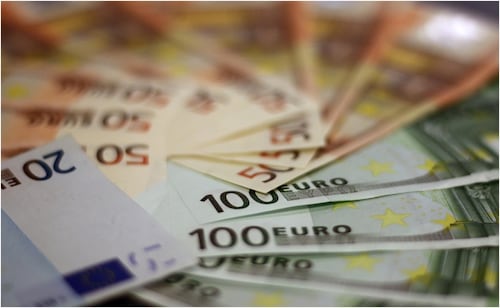
European Central Bank holds interest rate at 2%; decision comes amid Middle East war that sent energy prices soaring
Translated from Spanish, summarized and contextualized by DistantNews.
TLDR
- The European Central Bank (ECB) maintained its key interest rate at 2% for the seventh consecutive time, despite rising energy prices due to the Middle East conflict.
- Inflation in the Eurozone increased to 3% in April, driven primarily by a 10.9% rise in energy prices.
- The Bank of England also kept its interest rate unchanged at 3.75% but warned of potential increases to combat inflation, which could exceed 6% due to the Middle East conflict.
In a move that underscores the delicate balancing act central banks are performing, the European Central Bank (ECB) has once again held its benchmark interest rate steady at 2%. This decision, the seventh consecutive time the rate has remained unchanged since July, comes amidst significant global economic turbulence, particularly the energy price shock stemming from the conflict in the Middle East. The ECB acknowledges that this situation has "led to a marked increase in energy prices, driving inflation and affecting the economic climate," yet maintains that its governing council is "well-positioned to navigate the current uncertainty."
El Consejo de Gobierno sigue estando en una buena posición para navegar la actual incertidumbre.
This cautious approach by the ECB is mirrored across the Atlantic by the Bank of England. While also holding its key interest rate at 3.75% for the third consecutive meeting, the British central bank has revised its growth forecasts downward, expressing increased pessimism for the UK economy. The conflict in the Middle East looms large, with the Bank of England warning that inflation could surge past 6%, necessitating potential rate hikes. Governor Andrew Bailey described the current rate as "reasonable given the situation of the economy and the uncertainty of the events in the Middle East."
ha dado lugar a un acusado incremento de los precios de la energía, impulsando la inflación y afectando al clima económico
From a Mexican perspective, as reported by El Universal, these decisions highlight the interconnectedness of the global economy and the challenges faced by major financial institutions. While the Eurozone and the UK grapple with energy-driven inflation and geopolitical instability, Mexico's own economic performance, with a modest 0.2% GDP growth in the first quarter, is also subject to international trade uncertainties. The differing inflation rates and interest rate policies reflect distinct economic conditions and policy responses, but the underlying theme of navigating global shocks remains consistent. The focus for Latin American economies often involves managing external pressures while fostering domestic stability and growth, a task made more complex by events far beyond their borders.
Creemos que se trata de un nivel razonable (de la tasa de interés) dada la situación de la economía y la incertidumbre de los acontecimientos en Medio Oriente.
DistantNews Editorial
Originally published by El Universal in Spanish. Translated, summarized, and contextualized by our editorial team with added local perspective. Read our editorial standards.
More Stories


From Our Blog

What Press Freedom Means for the News You Read

What Gets Lost (and Found) When News Is Translated

The Critical Role of Diaspora Media in Global News

What Travellers Should Know About Countries with Restricted Press

A Digital Nomad's Guide to Following Local News
