

EV charging stations pose cybersecurity risks, experts warn
Translated from Polish, summarized and contextualized by DistantNews.
At a glance
News
Sources not specified
Context piece
- Public charging stations for electric vehicles are becoming targets for hackers, posing risks to critical infrastructure.
- Experts warn that controlling numerous charging points could overload power grids, and attacks could target vehicles or management platforms.
- The article also touches on declining wage premiums for higher education graduates in Poland and Germany's record budget deficit plans.
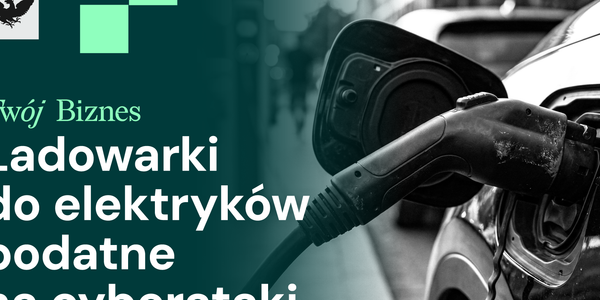
Public charging stations for electric vehicles, once seen as a symbol of sustainable progress, are now emerging as a significant vulnerability in the digital landscape. As electromobility expands, these stations, increasingly connected to the internet, are transforming from simple energy dispensers into potential targets for cyberattacks, sabotage, and even espionage by foreign entities.
Michał Duszczyk, writing in "Rzeczpospolita," highlights warnings from Germany's Federal Office for Information Security. The concern is that a coordinated cyberattack could manipulate a large number of charging stations, causing drastic fluctuations in energy demand. Such an event could potentially overload national power grids, leading to widespread disruptions. Beyond grid stability, experts also point to the possibility of direct attacks aimed at the electric vehicles themselves, the operators managing the charging infrastructure, or the software platforms that oversee these networks.
publiczne stacje ładowania przestają być zwykłymi punktami poboru energii. To zaawansowane urządzenia podłączone do internetu, które mogą stać się celem cyberataków, sabotażu, a nawet działań obcych służb.
The article also briefly touches upon other economic trends. In Poland, the wage premium for university graduates has significantly decreased over the past two decades, falling from an average of 73% higher earnings in 2004 to about 59% in 2024. This is attributed to factors like a rising minimum wage and the mass popularization of higher education, diminishing the unique value of a degree. Meanwhile, Germany is reportedly planning a record budget deficit for 2027, exceeding 200 billion euros, with funds earmarked for economic modernization, infrastructure, and continued support for Ukraine.
przejęcie kontroli nad dużą liczbą ładowarek mogłoby doprowadzić do gwałtownych zmian zapotrzebowania na energię i w konsekwencji przeciążyć sieci elektroenergetyczne.
DistantNews Editorial
Originally published by Rzeczpospolita in Polish. Translated, summarized, and contextualized by our editorial team with added local perspective. Read our editorial standards.
More Stories



From Our Blog

What Gets Lost (and Found) When News Is Translated

The Critical Role of Diaspora Media in Global News

What Travellers Should Know About Countries with Restricted Press

A Digital Nomad's Guide to Following Local News

How the Same Story Looks Different in Different Countries
