

Ex-President Kirchner Takes Case to UN Human Rights Committee, Citing 'Structural Machismo'
Translated from Spanish, summarized and contextualized by DistantNews.
At a glance
News
Named sources
In the courts
- Former Argentine President Cristina Kirchner has taken her corruption case to the UN Human Rights Committee.
- She claims she is a victim of "structural machismo" and judicial arbitrariness aimed at political exclusion.
- Kirchner was sentenced to six years in prison and perpetual disqualification from public office for defrauding public works contracts.
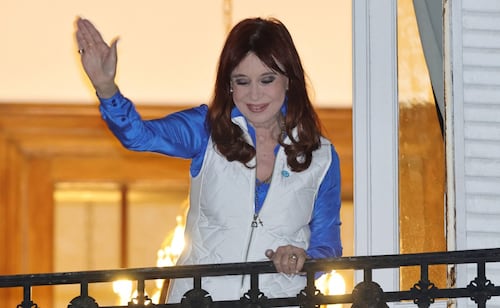
Former Argentine President Cristina Kirchner, currently under house arrest and sentenced for corruption, is now appealing to the United Nations Human Rights Committee. She asserts her innocence and claims to be a victim of judicial bias and "structural machismo" designed to politically sideline her. Kirchner, who served as president from 2007 to 2015, received a six-year prison sentence and a lifetime ban from holding public office. The conviction stems from charges of defrauding the state in public works contracts awarded during her tenure. Her appeal to the UN committee is a significant step in her legal battle, seeking international scrutiny of her case. Her political disqualification has ignited debate within Argentina's Peronist party, the main opposition force, regarding leadership for the 2027 presidential elections. Her eldest son, Congressman Máximo Kirchner, has publicly stated his mother's desire to remain politically active and expressed hope for her candidacy. The UN Human Rights Committee, composed of independent experts, will review Kirchner's petition, which alleges violations of civil and political rights. If the committee finds that rights were violated, it can issue recommendations for remedial measures by the Argentine state. Kirchner's legal team, including Argentine, Spanish, and Brazilian lawyers, argues that the UN committee's decisions are binding in Argentina and could lead to a review of the judicial decisions against her, including the suspension of her perpetual disqualification.
DistantNews Editorial
Originally published by El Universal in Spanish. Translated, summarized, and contextualized by our editorial team with added local perspective. Read our editorial standards.
More Stories
From Our Blog

What Press Freedom Means for the News You Read

What Gets Lost (and Found) When News Is Translated

The Critical Role of Diaspora Media in Global News

What Travellers Should Know About Countries with Restricted Press

A Digital Nomad's Guide to Following Local News
