


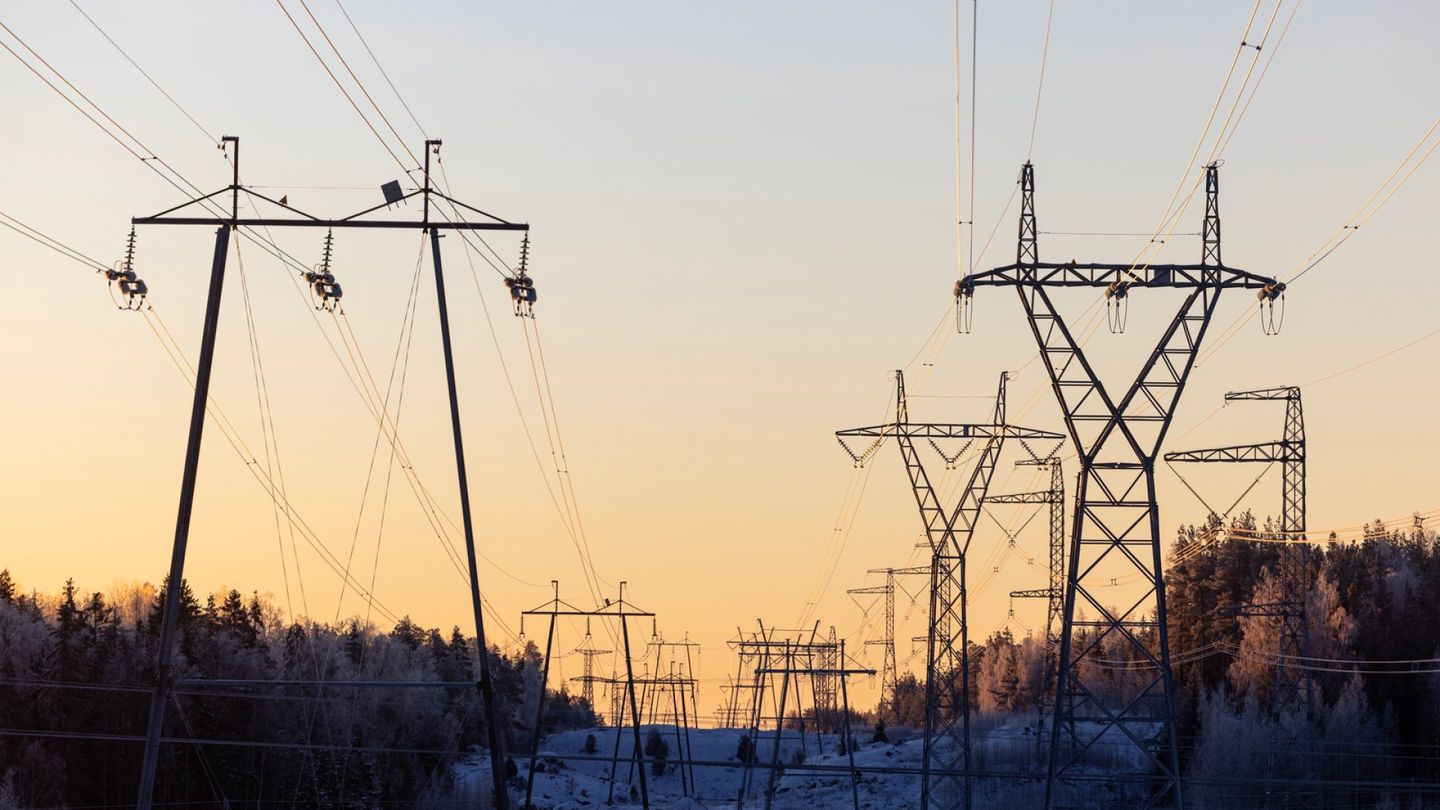
Expensive electricity forecast for Finland's autumn
Translated from Finnish, summarized and contextualized by DistantNews.
At a glance
News
Named sources
Context piece
- Electricity prices in Finland are expected to rise significantly this autumn, with fixed contract prices already reflecting higher costs.
- Reduced water levels in hydropower plants in Southern Norway and Northern Sweden are a primary driver of the price increase.
- Geopolitical events, such as the conflict in Iran, and maintenance at Finnish nuclear power plants also influence electricity costs.
Finland is bracing for a costly electricity autumn, with current fixed contract prices already signaling a substantial increase. The price of electricity, excluding tax, was below five cents per kilowatt-hour in October-November 2025, but is now rising to around nine cents per kilowatt-hour.
The primary factor driving this surge is the diminishing water reserves in hydropower plants located in Southern Norway and Northern Sweden. Weather forecasts do not indicate an immediate improvement in this situation. Juho Kinni, head of portfolio management and market analytics at energy company Helen, noted that the dry conditions in Southern Norway are particularly impactful.
"If there were a rainy autumn there now, it could have an effect on prices," Kinni said. Additionally, maintenance work on Finland's Olkiluoto 3 and Loviisa 2 nuclear power plants in the autumn could affect supply. However, Kinni mentioned that such maintenance in the Nordics typically concludes in October without significant delays in recent years.
Geopolitical events, including the conflict in Iran, are also playing a role, particularly impacting Central European electricity prices. The war has damaged energy infrastructure in the Middle East, and the recovery will take time. Central Europe's reliance on fossil fuels like natural gas, whose prices have risen considerably, further exacerbates the situation. These higher prices in Central Europe then influence Finland's electricity costs through interconnections. Kinni also pointed out that while Southern Norway has exported significant electricity, this is less feasible now, with Central Europe occasionally importing electricity produced by fossil fuels into Southern Norway.
If there were a rainy autumn there now, it could have an effect on prices.
DistantNews Editorial
Originally published by Helsingin Sanomat in Finnish. Translated, summarized, and contextualized by our editorial team with added local perspective. Read our editorial standards.
More Stories


From Our Blog

What Gets Lost (and Found) When News Is Translated

The Critical Role of Diaspora Media in Global News

What Travellers Should Know About Countries with Restricted Press

A Digital Nomad's Guide to Following Local News

How the Same Story Looks Different in Different Countries
