


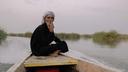
Experts Link Rise in Cases to Climate Change, Human-Wildlife Contact; Situation Not Comparable to COVID-19
Translated from Croatian, summarized and contextualized by DistantNews.
TLDR
- Experts suggest that climate change, habitat destruction, and increased human-wildlife contact are driving a rise in cases, potentially linked to Hantavirus.
- The Hantavirus, particularly the Andes strain associated with a cruise ship outbreak, is typically spread through rodent excrement but can rarely transmit between humans in close, prolonged contact.
- Health authorities emphasize that the current situation is not comparable to the COVID-19 pandemic.
While the headline speaks of visiting the last descendants of ancient Sumerians, the article text pivots sharply to public health concerns, specifically mentioning Hantavirus and comparing the situation to COVID-19. This juxtaposition suggests a broader editorial scope for Večernji List, capable of weaving together seemingly disparate topics under a public interest umbrella.
Experts believe that the increase in cases is driven by climate change, habitat destruction, and increasingly frequent contact between humans and wildlife.
The mention of a "death cruise ship" and the subsequent health warnings indicate a focus on potential threats and the measures being taken to contain them. The article acknowledges the scientific perspective, citing experts who link the increase in cases to environmental factors like climate change and habitat loss, as well as increased human interaction with wildlife. This aligns with a common narrative in many global news outlets, including those in Croatia, that highlight the interconnectedness of environmental health and human well-being.
Hantavirus is most commonly transmitted through the excrement and urine of infected rodents, but the Andes strain, associated with the outbreak on the cruise ship, can in rare cases be transmitted between people during close and prolonged contact.
However, the crucial point for the Croatian audience, and indeed for any reader seeking reassurance, is the explicit statement that the situation is not comparable to the COVID-19 pandemic. This distinction is vital in managing public anxiety and preventing the kind of widespread panic that characterized the earlier global health crisis. Večernji List, by including this clarification, aims to inform responsibly, providing context without causing undue alarm, while still acknowledging the seriousness of the health advisory.
Experts emphasize that the situation is not comparable to the COVID-19 pandemic.
DistantNews Editorial
Originally published by Večernji List in Croatian. Translated, summarized, and contextualized by our editorial team with added local perspective. Read our editorial standards.
More Stories


From Our Blog

What Gets Lost (and Found) When News Is Translated

The Critical Role of Diaspora Media in Global News

What Travellers Should Know About Countries with Restricted Press

A Digital Nomad's Guide to Following Local News

How the Same Story Looks Different in Different Countries
