


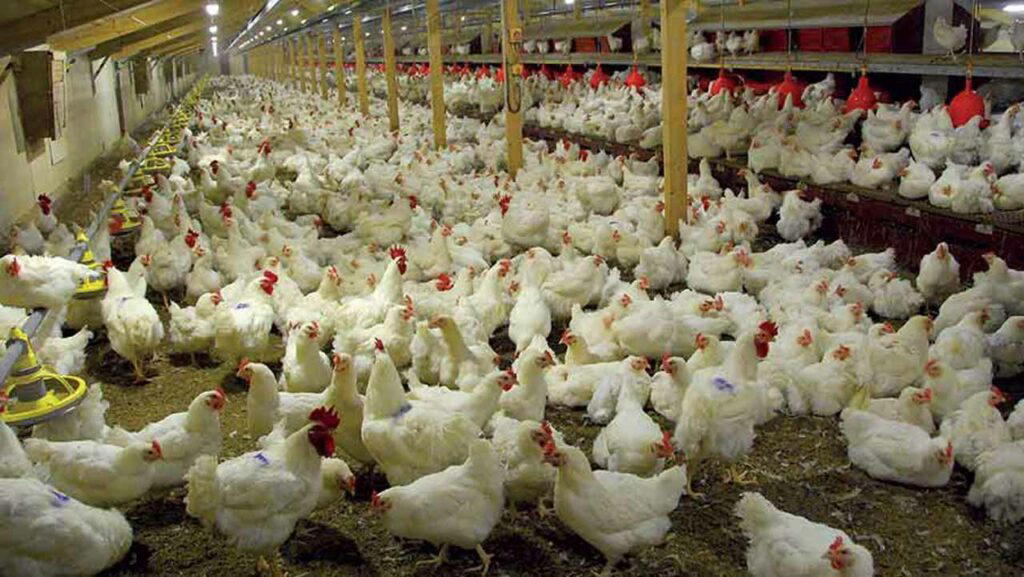
Experts push for reforms to boost Nigeria's poultry sector
Translated from English, summarized and contextualized by DistantNews.
At a glance
News
Named sources
Context piece
- Experts are calling for reforms, increased investment, and stronger collaboration to unlock Nigeria's poultry industry's potential.
- Key areas for investment include precision feed milling, genetics, processing, and cold-chain logistics, with a noted lack of processing capacity.
- The poultry sector is vital for food security, job creation, and economic growth in Nigeria, with the South-West being a production hub.
Experts are urging Nigeria to implement reforms and boost investment to fully realize the potential of its poultry industry, a sector identified as crucial for national food security, job creation, and economic growth. The call comes amid recognition of the industry's strategic importance, particularly in the South-West, which serves as West Africa's poultry production hub.
Researchers, farmers, regulators, investors and government must work together to drive the industry’s growth.
During a recent summit, Professor Olutayo Adeyemi highlighted the need for a united front, involving researchers, farmers, regulators, investors, and government, to drive the industry forward. He pinpointed several critical areas requiring significant investment, including precision feed milling, advanced genetics and breeding techniques, efficient broiler production, enhanced processing capabilities, robust cold-chain logistics, and the establishment of standard abattoirs and value-added services. Adeyemi expressed concern over Nigeria's current limitations in processing capacity.
Nigeria’s poultry industry remains one of the country’s most strategic agricultural sectors, with the South-West serving as the hub of poultry production in West Africa.
Dr. Mobolaji Alabi, in a presentation on sustainable poultry production, noted that agriculture contributed 23.1 percent to Nigeria's GDP in the first quarter of the year. Despite an estimated poultry population of 300 million birds, this is insufficient to meet future demand. Alabi advised poultry farmers to adopt precision management practices, such as accurately measuring feed, medication, and bird weight, to improve productivity and combat antimicrobial resistance. The summit underscored the need for innovation and collaboration to transform the Nigerian poultry sector.
Precision feed milling, genetics and breeding, broiler production, processing, cold-chain logistics, standard abattoirs and value addition as critical areas requiring investment, lamenting Nigeria’s limited processing capacity.
DistantNews Editorial
Originally published by Vanguard in English. Translated, summarized, and contextualized by our editorial team with added local perspective. Read our editorial standards.
More Stories



From Our Blog

How the Same Story Looks Different in Different Countries

What Gets Lost (and Found) When News Is Translated

The Critical Role of Diaspora Media in Global News

What Travellers Should Know About Countries with Restricted Press

A Digital Nomad's Guide to Following Local News
