


Extreme rains kill nearly 7% of world's Tapanuli orangutans in Sumatra
Translated from Finnish, summarized and contextualized by DistantNews.
At a glance
News
Sources not specified
Context piece
- Extreme rainfall in Sumatra, Indonesia, last November killed an estimated 58 orangutans, about 7% of the world's population.
- The downpours triggered landslides that destroyed nearly 12% of the orangutans' critical habitat in the Batang Toru rainforest.
- Researchers link the increased frequency and intensity of such extreme weather events to climate change and call for stronger conservation efforts.
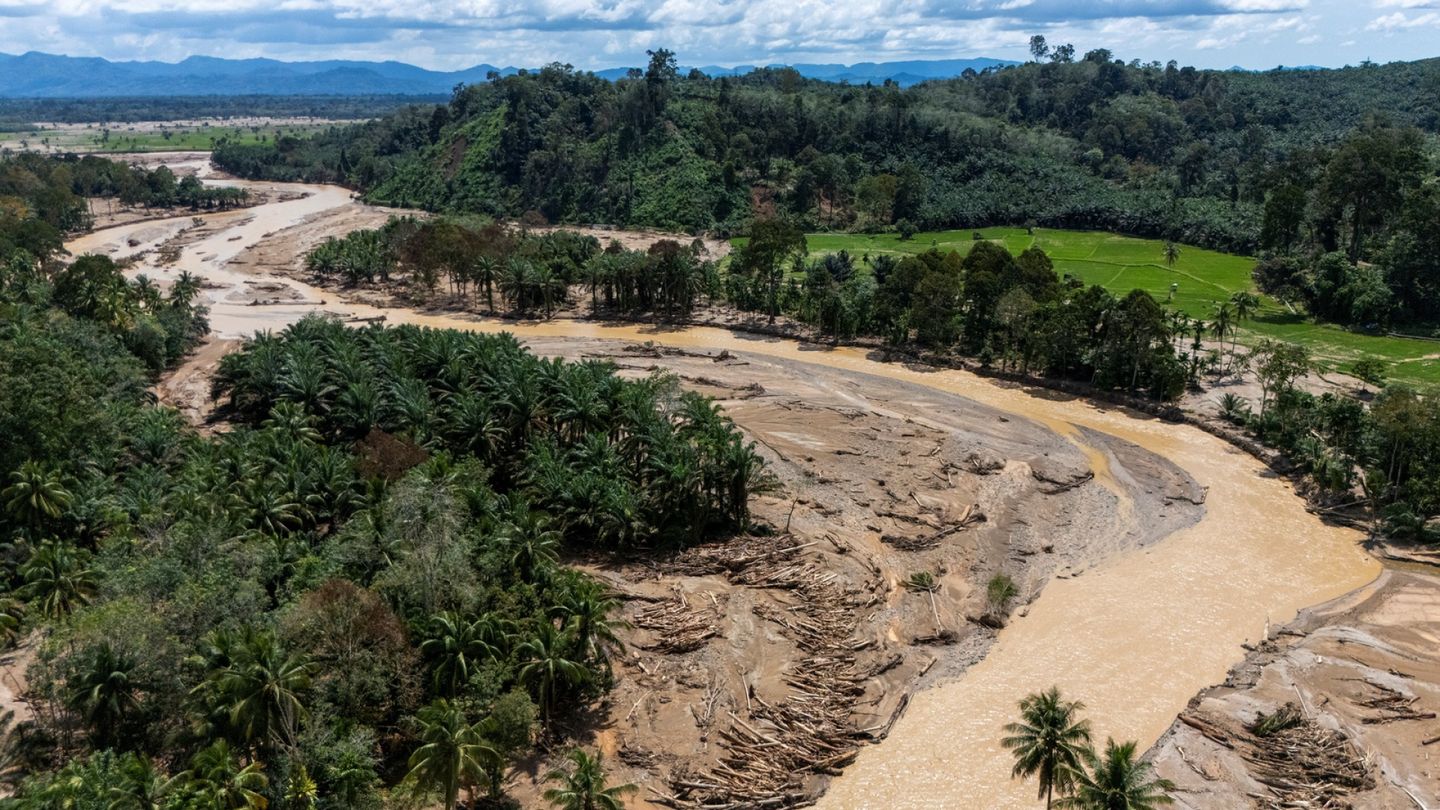
An estimated 58 Tapanuli orangutans, representing approximately 7% of the global population, perished during extreme rainfall in Sumatra, Indonesia, last November. This finding comes from a recent study published in the journal Current Biology, highlighting the severe impact of weather events on this critically endangered species.
The Tapanuli orangutan is the rarest of the three orangutan species, with a total population of fewer than 800 individuals. The study indicates that the exceptionally heavy rains in the Batang Toru rainforest region caused widespread landslides. These landslides destroyed about 8,300 hectares of forest, which amounts to nearly 12% of the most important habitat for the Tapanuli orangutan population in the area. Researchers noted that the landslide-affected areas will offer virtually no food for the orangutans for the next five to ten years.
These orangutans exist in only three separate subpopulations within the Batang Toru region. The landslides impacted the largest of these, located in the western part of Batang Toru. Based on satellite imagery and previous population estimates, researchers calculated that approximately 58 individuals lived within the area affected by the landslides, representing about 11% of the western subpopulation.
The study provides the first quantitative evidence that extreme rainfall can pose an immediate threat to the survival of great apes. The losses are particularly devastating for the Tapanuli orangutan due to its slow reproductive rate and small, isolated populations. Previous research has shown that even a 1% annual increase in losses can lead to the species' extinction in the long term. The study's authors attribute the increased probability and intensity of such extreme rainfall events to climate change and are calling for more effective protection of the Batang Toru region to ensure the species' survival.
DistantNews Editorial
Originally published by Helsingin Sanomat in Finnish. Translated, summarized, and contextualized by our editorial team with added local perspective. Read our editorial standards.
More Stories


From Our Blog

What Gets Lost (and Found) When News Is Translated

The Critical Role of Diaspora Media in Global News

What Travellers Should Know About Countries with Restricted Press

A Digital Nomad's Guide to Following Local News

How the Same Story Looks Different in Different Countries
