


FACTS: Here are the parties' demands for the royal investigator
Translated from Danish, summarized and contextualized by DistantNews.
TLDR
- Troels Lund Poulsen of the Liberal Party has been appointed as the royal investigator to lead government formation talks.
- He secured the support of 87 parliamentary mandates, narrowly surpassing acting Prime Minister Mette Frederiksen's 84 mandates.
- Various parties have outlined their conditions and preferences for the next government's composition and political direction.
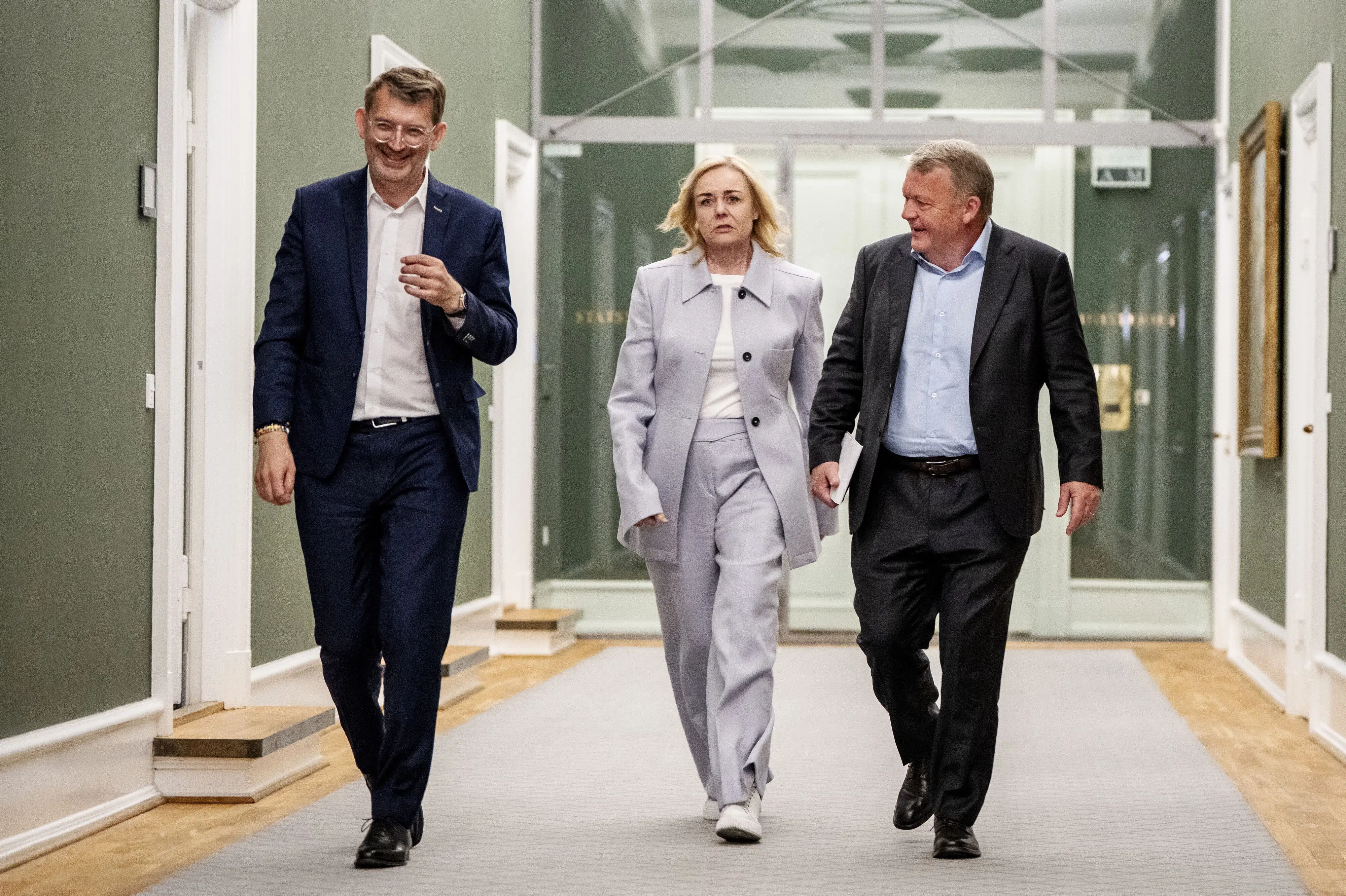
In a significant development following the recent elections, Troels Lund Poulsen, the leader of the Liberal Party (Venstre), has been appointed as the royal investigator tasked with exploring the possibilities for forming a new government. This decision came after a 'king's round' meeting at Amalienborg, where parliamentary parties presented their preferred candidates and conditions to the monarch.
Lund Poulsen's appointment represents a slight edge over acting Prime Minister Mette Frederiksen, as his nomination garnered the support of 87 parliamentary mandates compared to Frederiksen's 84. This narrow margin underscores the delicate balance of power and the complex negotiations that lie ahead in forming a stable governing coalition.
The various parties have articulated distinct visions for Denmark's future. While Social Democrats, SF, Enhedslisten, Radikale, and Alternativet have largely backed Frederiksen, often with specific conditions related to forming a center-left or green-focused government, the Liberal Party, Dansk Folkeparti, Liberal Alliance, Moderaterne, and Konservative have thrown their support behind Lund Poulsen. Their proposals generally lean towards a broader, more balanced reform-oriented government, with some parties, like Dansk Folkeparti, explicitly seeking a government that prioritizes Muslim net emigration.
From a Danish perspective, this period is characterized by intense political maneuvering and strategic positioning. The appointment of a royal investigator is a traditional step in Denmark's parliamentary system, but the specific demands and alignments of the parties reflect the current political landscape's fragmentation and the challenges in finding common ground. The focus now shifts to Lund Poulsen's ability to bridge these divides and negotiate a viable path forward for Denmark, a process that will be closely watched by the public and the international community.
DistantNews Editorial
Originally published by Berlingske in Danish. Translated, summarized, and contextualized by our editorial team with added local perspective. Read our editorial standards.
More Stories


From Our Blog

What Gets Lost (and Found) When News Is Translated

The Critical Role of Diaspora Media in Global News

What Travellers Should Know About Countries with Restricted Press

A Digital Nomad's Guide to Following Local News

How the Same Story Looks Different in Different Countries
