


Farmer Debt Soars Nearly 10-Fold to 1.3 Trillion Lira, Deputy Warns of Crisis
Translated from Turkish, summarized and contextualized by DistantNews.
TLDR
- Turkish farmers' debt to banks and financial institutions has surged by approximately 10 times in the last five years, reaching 1.323 trillion lira.
- The total debt, including market debts, stands at 1.5 trillion lira, with tractor repossessions increasing due to overdue payments.
- Farmers are struggling to repay loans as input costs rise and product prices stagnate, exacerbated by climate change and market fluctuations.
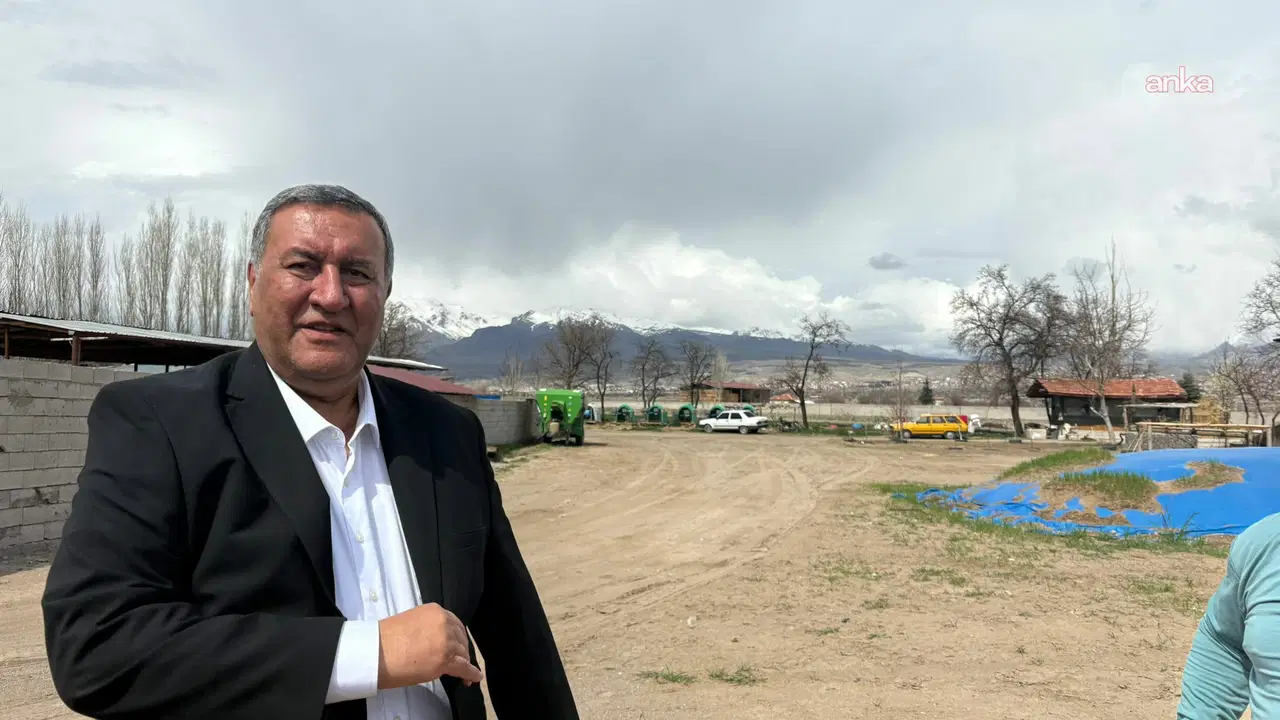
The dire financial straits of Turkish farmers are laid bare in a recent statement by CHP Niğde Deputy Ömer Fethi Gürer. He highlights that farmers are now compelled to borrow money simply to produce, a situation exacerbated by a nearly tenfold increase in debt over the past five years. This staggering rise, from 134.8 billion lira in February 2021 to 1.323 trillion lira by February 2026, paints a bleak picture of the agricultural sector's financial health.
Farmers' debt to banks and financial institutions has increased approximately 10 times in the last 5 years, reaching 1 trillion 323 billion lira.
Gürer points out that the debt burden, when combined with market debts, now totals a colossal 1.5 trillion lira. This financial pressure is so severe that tractors are being seized through foreclosure in various provinces. The deputy emphasizes that this period marks the highest level of indebtedness in the Republic's history for the agricultural sector. The data reveals a dramatic increase in non-performing loans, quadrupling over the last five years, underscoring the widespread struggle farmers face in meeting their financial obligations.
Tractors belonging to farmers have started to be put up for sale through foreclosure.
The crisis is further compounded by a widening gap between rising input costs—for seeds, fertilizers, fuel, labor, and more—and stagnant product prices. Climate change and unpredictable market conditions have further disrupted yields and income, creating a vicious cycle where farmers borrow more to produce, only to find themselves unable to repay due to insufficient returns. Gürer calls for increased agricultural support and a reassessment of 2026 support levels, considering the adverse effects of ongoing conflicts, to alleviate the crushing debt burden on the nation's farmers.
This table shows that the farmer's debt burden is getting heavier.
DistantNews Editorial
Originally published by Cumhuriyet in Turkish. Translated, summarized, and contextualized by our editorial team with added local perspective. Read our editorial standards.
More Stories


From Our Blog

What Gets Lost (and Found) When News Is Translated

The Critical Role of Diaspora Media in Global News

What Travellers Should Know About Countries with Restricted Press

A Digital Nomad's Guide to Following Local News

How the Same Story Looks Different in Different Countries
