

FCC denies US firm with Chinese links approval to provide telecoms services
Summarized and contextualized by DistantNews.
At a glance
News
Named sources
New plan
- The US Federal Communications Commission (FCC) denied a US firm, Digitalsystem Technology, approval to provide international telecommunications services.
- The FCC cited concerns that the company's links to Chinese telecom firms and ownership by a Chinese national pose risks to US national security.
- The FCC added the company to a list of entities posing national security risks, citing potential exploitation by Chinese threat actors.
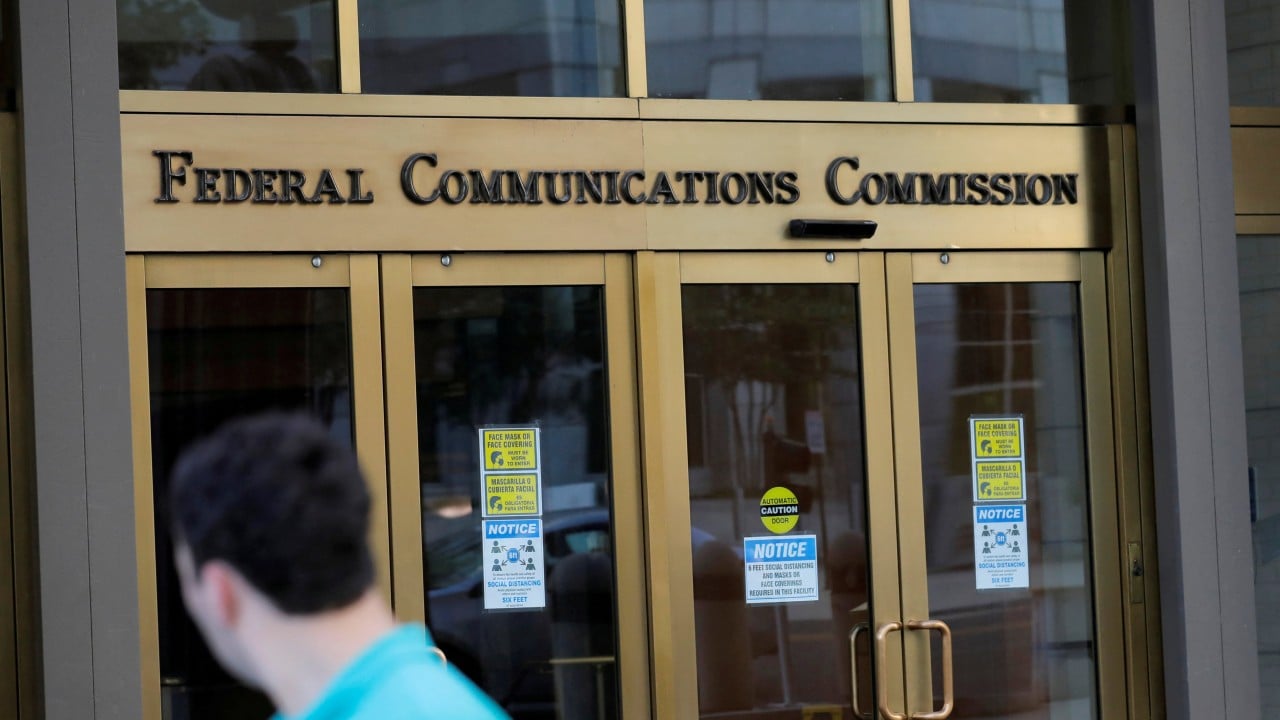
The U.S. Federal Communications Commission (FCC) has denied California-based Digitalsystem Technology permission to offer international telecommunications services. The agency cited significant national security concerns stemming from the company's ties to Chinese telecommunications firms and its ownership by a Chinese national.
In its decision, the FCC placed Digitalsystem Technology on a list of companies deemed to pose risks to U.S. national security. The commission expressed worries that the company's infrastructure could be exploited by Chinese threat actors. Such exploitation, the FCC stated, could lead to the collection, disruption, or misrouting of U.S. communications, potentially harming national security and law enforcement interests.
The FCC specifically highlighted Digitalsystem Technology's partnerships with Hong Kong-based PCCW, as well as Chinese state-owned giants China Unicom and China Mobile. These affiliations, combined with the company's ownership structure, were central to the FCC's determination. This action follows previous FCC decisions that barred China Mobile, China Telecom, and China Unicom from providing international telecommunications services to the United States due to similar national security concerns.
Neither Digitalsystem Technology nor the Chinese embassy in Washington immediately responded to requests for comment regarding the FCC's decision.
There is significant risk that the government of China and other threat actors could exploit any vulnerabilities to the detriment of US national security and law enforcement interests.
DistantNews Editorial
Originally published by South China Morning Post. Summarized and contextualized by our editorial team with added local perspective. Read our editorial standards.
More Stories
From Our Blog

Countries Without a Free Press: What You Need to Know

What Press Freedom Means for the News You Read

What Gets Lost (and Found) When News Is Translated

The Critical Role of Diaspora Media in Global News

What Travellers Should Know About Countries with Restricted Press
