

'Fiery Balls' in the Sky - When the Impressive Lyrids Phenomenon Peaks
Translated from Greek, summarized and contextualized by DistantNews.
TLDR
- The Lyrids meteor shower, one of the oldest known, is peaking between April 21st and 22nd, offering a spectacular celestial display.
- Known for bright, fast meteors and occasional "fireballs," the Lyrids originate from comet C/1861 G1 Thatcher.
- Observers are advised to find a dark location away from city lights and allow their eyes to adjust for the best viewing experience.
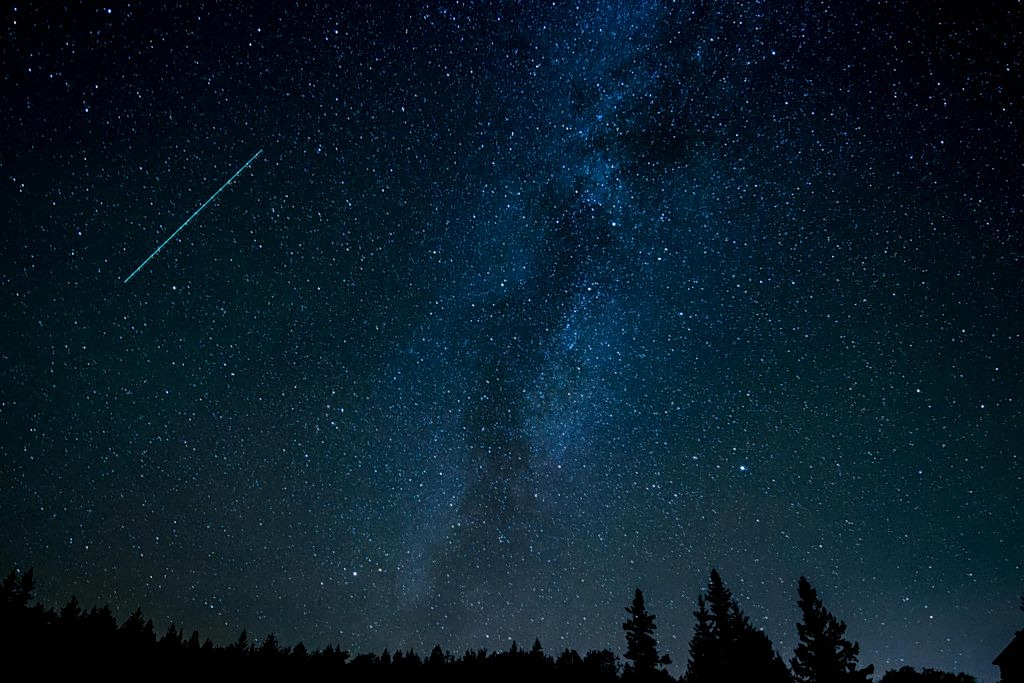
Stargazers across Greece are anticipating the peak of the Lyrids meteor shower, a celestial event that has captivated observers for over 2,700 years. This annual phenomenon, returning in April, promises a dazzling display of shooting stars, including the particularly striking "fireballs" for which the Lyrids are known. Originating from the debris trail of comet C/1861 G1 Thatcher, these meteors streak across the night sky as Earth passes through the comet's orbit.
While the Lyrids are not the most intense meteor shower of the year, typically producing around 18 meteors per hour at their peak, their historical significance and the brilliance of their meteors make them a cherished event. The shower began in mid-April and will culminate on the night of April 21st to 22nd. NASA's involvement in tracking and publicizing such events underscores their global appeal and scientific importance.
For optimal viewing, experts recommend finding a location far from urban light pollution. Patience is key, as it takes about 30 minutes for the eyes to fully adapt to the darkness. Lying down with feet pointed towards the east and looking upwards will provide the best vantage point to witness the cosmic spectacle. The article also includes unrelated news items about a new BMW model, humanitarian aid to Lebanon, and fatal tractor accidents in Crete.
From the perspective of Ta Nea, a Greek newspaper, this article focuses on bringing a natural wonder to the attention of its readers. The emphasis is on the beauty and accessibility of the Lyrids shower, encouraging public participation in observing the night sky. Unlike a purely scientific publication, Ta Nea frames this as an engaging event for the general public, providing practical tips for viewing. The inclusion of unrelated news snippets at the end is a common practice in some Greek media outlets, reflecting a broader approach to news dissemination that covers diverse topics within a single publication.
DistantNews Editorial
Originally published by Ta Nea in Greek. Translated, summarized, and contextualized by our editorial team with added local perspective. Read our editorial standards.
More Stories



From Our Blog

What Gets Lost (and Found) When News Is Translated

The Critical Role of Diaspora Media in Global News

What Travellers Should Know About Countries with Restricted Press

A Digital Nomad's Guide to Following Local News

How the Same Story Looks Different in Different Countries
