

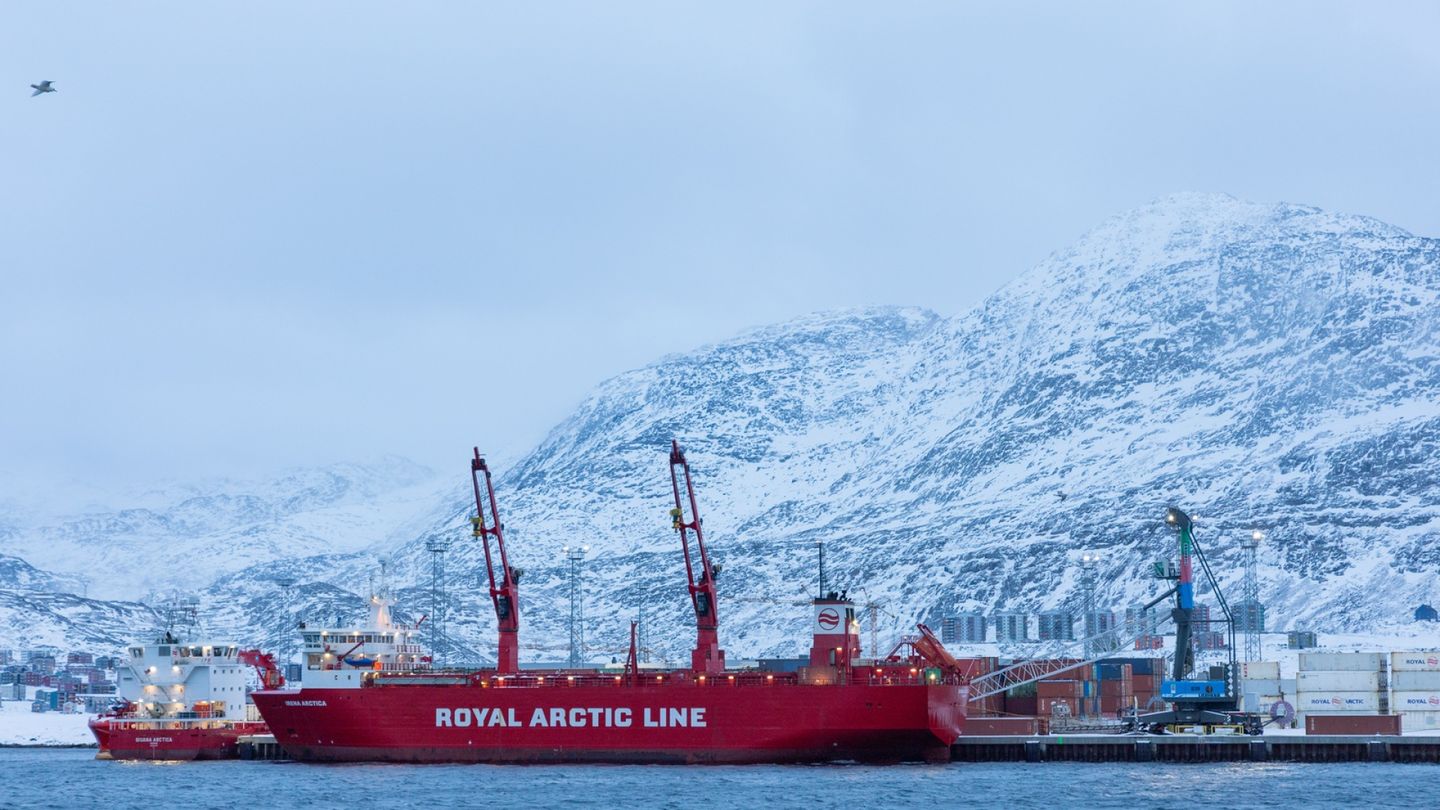

Finland risks isolation without Helsinki-Tallinn tunnel, says opinion piece
Translated from Finnish, summarized and contextualized by DistantNews.
At a glance
Opinion
Sources not specified
Context piece
- Finland should actively explore the feasibility of a tunnel connecting Helsinki and Tallinn, alongside the Rail Baltica project.
- A fixed link across the sea is strategically important for Finland, a small, export-dependent nation in a geopolitically sensitive region, particularly for supply security and freight transport.
- While the Helsinki-Tallinn tunnel is often seen as unrealistic due to cost, proponents argue that not pursuing it would leave Finland isolated from Europe's wider TEN-T transport network and hinder future growth.
Finland risks becoming an isolated "dead end" if it does not actively pursue the development of a tunnel connecting Helsinki and Tallinn, according to a reader's opinion piece in Helsingin Sanomat. The author argues that such a link is crucial for Finland's supply security and freight transport, especially as the Rail Baltica project progresses in the Baltics, connecting Warsaw and Central Europe.
While Finland is not participating in the Rail Baltica project, the author warns that the country has the most to lose by remaining outside this vital connection. The Finnish national transport system plan acknowledges the need to develop knowledge about international connections like the Helsinki-Tallinn tunnel. The piece urges that funding models, technical solutions, and EU funding conditions for the tunnel be thoroughly investigated.
The Helsinki-Tallinn tunnel has long been discussed in Finland as more of a vision than a concrete project, with many dismissing it as unrealistic due to its high cost. However, the author draws a parallel to historically significant projects that were initially deemed unaffordable but were ultimately realized. "If we ourselves are content to be a dead end, no one else will believe in our future either," the opinion piece states, emphasizing the need for proactive planning before the next EU funding framework opens in 2028.
DistantNews Editorial
Originally published by Helsingin Sanomat in Finnish. Translated, summarized, and contextualized by our editorial team with added local perspective. Read our editorial standards.
More Stories

From Our Blog

What Gets Lost (and Found) When News Is Translated

The Critical Role of Diaspora Media in Global News

What Travellers Should Know About Countries with Restricted Press

A Digital Nomad's Guide to Following Local News

How the Same Story Looks Different in Different Countries
