


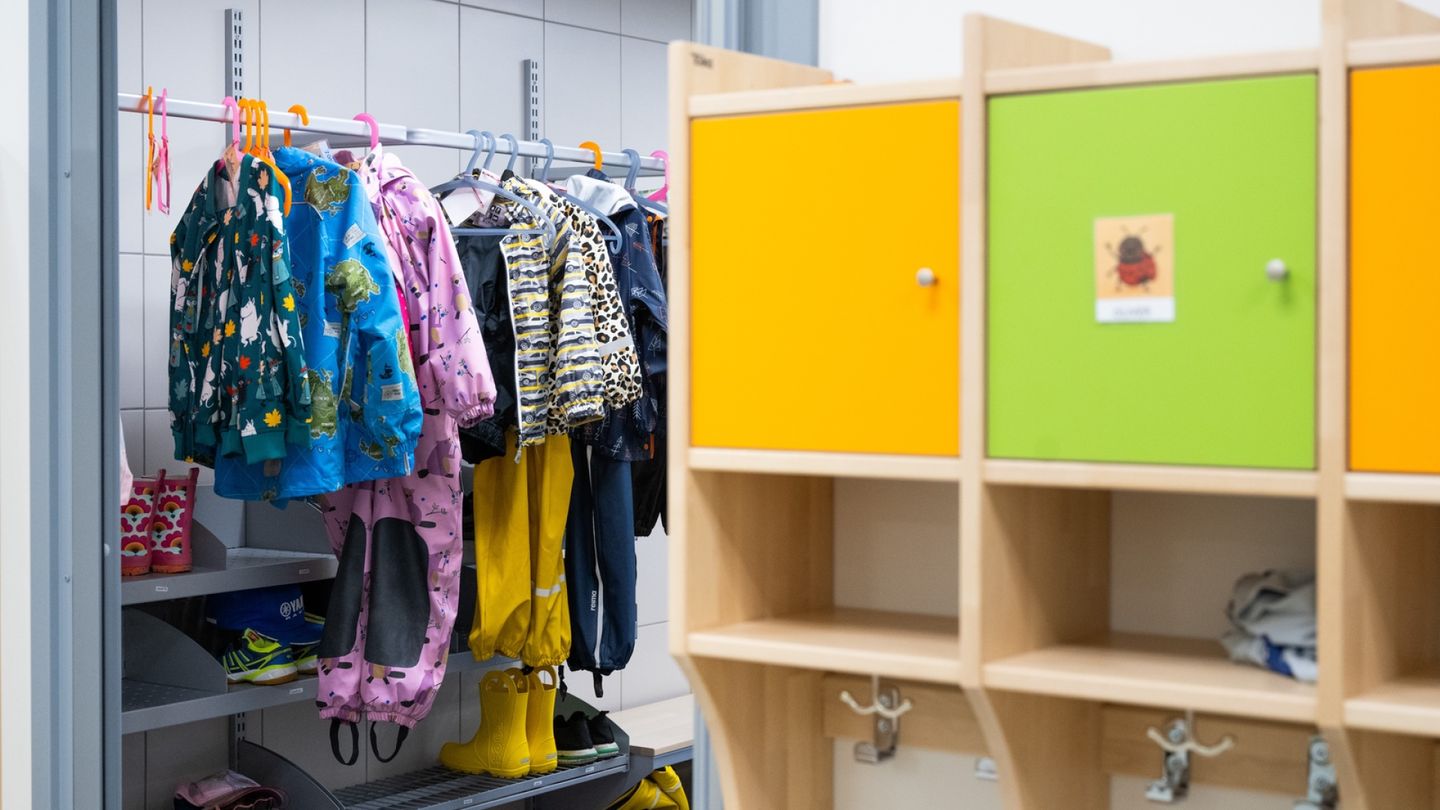
Finland's Free Early Education Policy Leads to Fewer Fee-Paying Families, Increased Service Misuse
Translated from Finnish, summarized and contextualized by DistantNews.
At a glance
News
Named sources
Context piece
- In Finland, less than half of families pay for early childhood education due to recent changes in customer fees and income limits, making more families eligible for free services.
- This policy shift, intended to move towards free early education, has resulted in a significant decrease in fee-paying families, particularly in regions like South Savo.
- The reduction in fees means early childhood education costs are increasingly funded from other municipal budgets, while some municipalities observe more "careless" use of services, like booking full-time care without regular attendance.
Recent changes to customer fees and income thresholds in Finland have led to a situation where less than half of families are now paying for early childhood education, according to Kuntaliitto, the Association of Finnish Municipalities.
Since 2022, we have moved quite drastically in the direction that most people no longer pay customer fees based on their income.
This shift is a direct result of legislative changes in the early 2020s that raised income limits and increased sibling discounts. These adjustments have expanded access to free or significantly reduced-cost early childhood education for a growing number of families. Jarkko Lahtinen, development manager at Kuntaliitto, noted that since 2022, the majority of families no longer pay customer fees based on their income, reflecting the political will to move towards free early education.
Regional disparities are notable, with South Savo reporting that 67.3% of customers did not pay fees based on income, compared to 47.4% in Uusimaa. In Pieksämäki, a municipality in South Savo, education director Jukka Keituri confirmed that only one-third of families pay fees, with only 3-4% paying the full amount. He attributed this to the local income level, high unemployment, and a significant number of immigrant families, many of whom are new arrivals like Ukrainians, who rarely incur fees.
If we think about families paying the full fee, there are only three or four percent left. Two-thirds pay nothing, or the fee is so small it's not invoiced.
The financial implication for municipalities is that customer fees cover a smaller portion of early childhood education costs, which have not decreased due to strict regulations on staff-to-child ratios. These reduced fee revenues must be offset by other municipal spending. Furthermore, Keituri observed that the increased "freeness" of the service has led to more "careless" booking of full-time care slots and less consistent reporting of absences. This trend, he stated, is the most significant problem associated with the policy, as municipalities previously used fee credits as an incentive for families to manage their bookings more responsibly.
Bookings are made more carelessly.
DistantNews Editorial
Originally published by Helsingin Sanomat in Finnish. Translated, summarized, and contextualized by our editorial team with added local perspective. Read our editorial standards.
More Stories


From Our Blog

What Gets Lost (and Found) When News Is Translated

The Critical Role of Diaspora Media in Global News

What Travellers Should Know About Countries with Restricted Press

A Digital Nomad's Guide to Following Local News

How the Same Story Looks Different in Different Countries
