

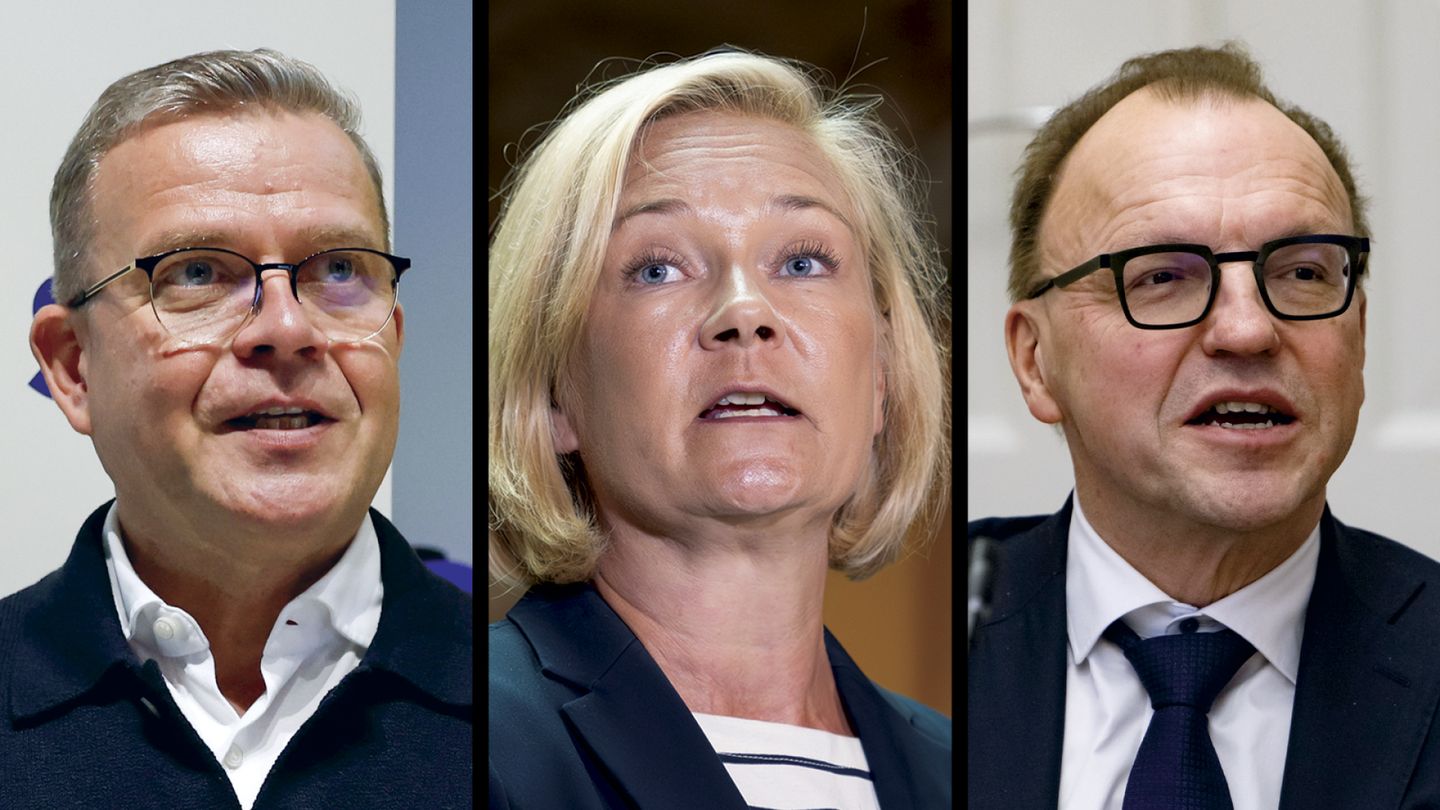

Finnish Parties Divided on Funding Defense Spending: Tax Hikes vs. Spending Cuts
Translated from Finnish and summarized by DistantNews. Read the original for the full story.
At a glance
News
Sources not specified
Context piece
- Finnish political parties are debating how to fund the nation's growing defense budget, with options including tax increases or spending cuts.
- The largest parties are committed to a debt brake, requiring fiscal consolidation on top of rising defense costs, which could nearly double by the 2030s.
- Significant differences in proposed austerity measures may help voters distinguish between parties in the upcoming parliamentary elections.
Finland's parliamentary parties are grappling with the significant challenge of financing the country's escalating defense budget. The debate centers on two primary approaches: raising taxes or implementing spending cuts. Parties on the right generally favor austerity measures, while those on the left are more inclined to increase taxes.
The biggest deliberation for both government and opposition parties is how Finland's growing defense expenditures should be financed.
The nation faces a substantial fiscal adjustment need, exacerbated by rising defense expenditures. Defense spending, already the largest item in the state budget, is projected to nearly double by the 2030s, potentially reaching 14 billion euros annually, according to a recent parliamentary report. The Social Democratic Party (SDP) has proposed a dedicated defense tax to cover some of these costs. However, such a earmarked tax does not align well with Finland's current tax system, which collects revenue into a general fund without many specific, dedicated taxes.
There are practically two options: the funding share is obtained by raising taxes or by cutting spending.
The differing approaches to fiscal consolidation are expected to become a key differentiator for voters in the upcoming parliamentary elections. Parties can be broadly categorized into three groups: "taxers," "cutters," and "taxer-cutters." The Left Alliance falls into the first category, while the National Coalition Party, the Finns Party, and the Christian Democrats lean towards spending cuts. The SDP, Centre Party, Swedish People's Party, and the Greens are seen as a mix of both.
Parties on the right lean towards spending cuts, while those on the left are willing to raise taxes.
Navigating these choices presents a challenge for the average voter. Notably, no credible party can promise a better future without acknowledging the financial constraints, a reality the public understands. The stark contrast between the "taxers" and "cutters" makes it difficult to envision them coexisting within the same government, though political landscapes can be unpredictable.
The largest parties are committed to the debt brake, which binds future governments to curb public debt accumulation. The need for state fiscal adjustment grows on top of defense spending.
About this summary
Originally published by Helsingin Sanomat in Finnish. Translated, summarized, and contextualized automatically by DistantNews, with a note on how the source frames the story. Not individually reviewed before publishing. How this works.
More Stories

From Our Blog

What Gets Lost (and Found) When News Is Translated

The Critical Role of Diaspora Media in Global News

What Travellers Should Know About Countries with Restricted Press

A Digital Nomad's Guide to Following Local News

How the Same Story Looks Different in Different Countries
