

First National Drill 2026: What to do and what not to do during the exercise; follow these recommendations
Translated from Spanish, summarized and contextualized by DistantNews.
TLDR
- Mexico will conduct its First National Drill in 2026 on May 6th at 11:00 AM to test emergency protocols nationwide.
- The drill simulates an 8.2 magnitude earthquake with an epicenter in the Guerrero Seismic Gap.
- Recommendations for participants include staying calm, following instructions, evacuating orderly, and preparing an emergency backpack.
Mexico, a nation acutely aware of its seismic vulnerability, is gearing up for the First National Drill of 2026. Scheduled for May 6th at 11:00 AM, this nationwide exercise is more than just a drill; it's a critical opportunity to test and refine our emergency response systems. The scenario chosen—an 8.2 magnitude earthquake originating from the Guerrero Seismic Gap, a region known for accumulating significant tectonic energy—is a stark reminder of the real threats we face.
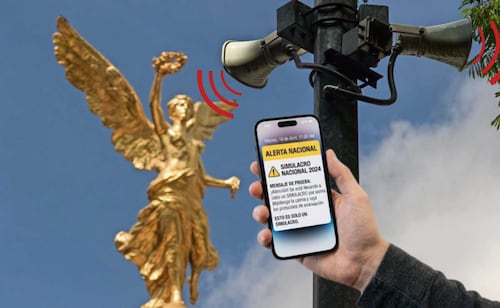
This is a drill. This is a message to test the functionality of the National Alert System of the Government of Mexico.
As reported by El Universal, the drill will involve the activation of approximately 14,000 seismic alert speakers and a mass notification system via Cell Broadcast to mobile phones. This technological integration is crucial for ensuring timely alerts reach the populace. The message, clearly stating it's a drill, aims to familiarize citizens with the system without causing undue alarm. This proactive approach is vital in a country where preparedness can literally mean the difference between life and death.
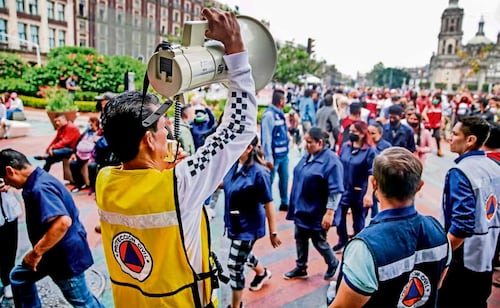
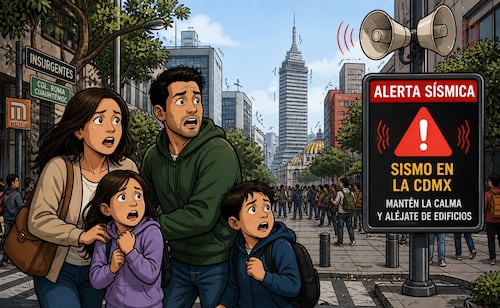
Active participation can make a difference in a real emergency; therefore, authorities recommend: Maintain calm at all times, follow the instructions of brigadistas or Civil Protection personnel, evacuate in an orderly and rapid manner, carry the emergency backpack, help vulnerable people (children, elderly, people with disabilities), go to the previously established meeting point, turn off lights, gas, and water if possible.
Authorities are urging active participation, emphasizing key actions such as maintaining calm, following the guidance of emergency personnel, evacuating in an orderly fashion, and carrying emergency kits. The drill also highlights the importance of assisting vulnerable populations and proceeding to designated meeting points. Conversely, it strongly advises against using elevators, running, shouting, or pushing during the evacuation, reinforcing the need for disciplined and coordinated responses.
During a drill, it is essential: Do not use elevators, do not run, do not shout or create panic, do not push during the evacuation, do not return to the building until official instructions are received.
From our perspective in Mexico, these drills are not mere bureaucratic exercises. They are essential components of our national resilience strategy. Each drill allows us to identify weaknesses in our preparedness, improve coordination among different agencies, and, most importantly, empower citizens with the knowledge and confidence to act effectively during a real emergency. The lessons learned today directly contribute to saving lives tomorrow.
Although it is an exercise, its impact is real, as Mexico is a country with high seismic activity, and preparation can save lives; therefore, each drill allows the population to act more quickly, reduce chaos, and make safer decisions in the face of a real event.
DistantNews Editorial
Originally published by El Universal in Spanish. Translated, summarized, and contextualized by our editorial team with added local perspective. Read our editorial standards.
More Stories
From Our Blog

What Press Freedom Means for the News You Read

What Gets Lost (and Found) When News Is Translated

The Critical Role of Diaspora Media in Global News

What Travellers Should Know About Countries with Restricted Press

A Digital Nomad's Guide to Following Local News
