


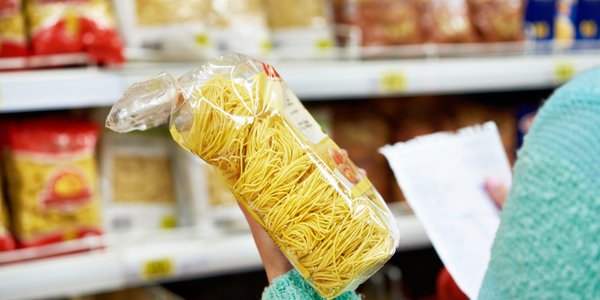
Food prices in Poland fell the most in 11 years. Relief for wallets won't last long
Translated from Polish, summarized and contextualized by DistantNews.
At a glance
News
Documents & data
Context piece
- Food prices in Poland saw their sharpest year-on-year drop in 11 years in June, with a 0.6% decrease.
- Significant price reductions were observed in butter (over 25%), apples (over 16%), and various vegetables, while some items like carrots and beef increased in price.
- Analysts predict this relief for consumers is temporary, expecting a trend reversal due to global price dynamics and currency fluctuations.
Polish consumers are experiencing the most significant drop in food prices in over a decade, with a 0.6% year-on-year decrease recorded in June. This marks the sharpest deflation in food prices since August 2015. The broader category of "food and non-alcoholic beverages" also registered deflation, albeit a milder 0.2% year-on-year, which is the first negative reading in over ten years.
On a monthly basis, food prices in June were 0.7% lower than in May, continuing a downward trend observed since April. This month-on-month decrease was also notably large, with no comparable drop recorded in at least a decade. Specific products showing substantial year-on-year price drops include butter (over 25% cheaper), apples (over 16% cheaper), and a variety of vegetables like cabbage, asparagus, potatoes, cucumbers, beets, and onions.
The year-on-year drop in food prices in June should not be a surprise.
However, not all food items have become cheaper. Consumers are paying more for items such as carrots (over 13% increase), beef and veal (around 13% increase), fish, legumes (up about 11-12%), and frozen fruits (up 8.5%). Prices for coffee, cocoa, eggs, and jams have also seen modest increases.
Domestic prices follow global prices with approximately a nine-month delay, and three quarters ago global prices were falling, including due to oversupply in many categories.
Michał Dybuła, chief economist at BNP Paribas Bank Polska, attributes the June price drop to falling global food prices, which typically influence domestic prices with a nine-month lag. He notes that global prices decreased three quarters ago due to oversupply in many categories, coupled with a strengthening Polish złoty against the dollar. "We are seeing the effects of this today in Polish inflation statistics," Dybuła stated, highlighting lower prices for cereals, bread, dairy, edible oils, most meats, and vegetables and fruits.
Despite the current relief, analysts caution that this period of lower food prices is likely temporary. The trend is expected to reverse, influenced by global market dynamics and currency movements. The recent drop in agricultural producer prices, which fell by 16.2% year-on-year in May, further indicates the downward pressure on food costs, but the sustainability of this trend remains uncertain.
We are seeing the effects of this today in Polish inflation statistics.
DistantNews Editorial
Originally published by Rzeczpospolita in Polish. Translated, summarized, and contextualized by our editorial team with added local perspective. Read our editorial standards.
More Stories



From Our Blog

What Gets Lost (and Found) When News Is Translated

The Critical Role of Diaspora Media in Global News

What Travellers Should Know About Countries with Restricted Press

A Digital Nomad's Guide to Following Local News

How the Same Story Looks Different in Different Countries
