


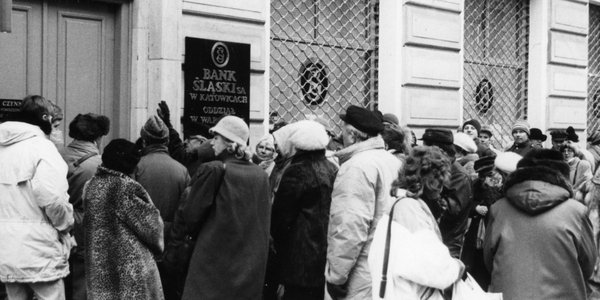
Foreign Investors Lead on Warsaw Stock Exchange as Market Evolves
Translated from Polish, summarized and contextualized by DistantNews.
TLDR
- Foreign investors dominated the Polish stock market in 2025, accounting for 70% of main market turnover, while retail investors generated only 13%.
- This shift reflects the Warsaw Stock Exchange's success and increased liquidity, making it an attractive international market.
- Despite the dominance of foreign investors, there are signs of renewed retail investor activity, potentially boosted by tax incentives and increased awareness of retirement planning.
The Polish capital market has undergone a significant transformation, evolving from a landscape once dominated by individual investors to one now largely driven by foreign capital. This shift, as highlighted by the Warsaw Stock Exchange (GPW), is not a sign of decline but rather a testament to the market's growing attractiveness and liquidity on the international stage. The GPW, as noted by Michał Kobza, its board member for development and sales, has achieved a remarkable position, ranking as the second most liquid exchange in Europe by liquidity ratio adjusted for capitalization.
Duży udział inwestorów zagranicznych w obrotach na GPW jest bez wątpienia sukcesem polskiego rynku i dowodem jego atrakcyjności. Pokazuje, że w skali międzynarodowej jesteśmy wiarygodnym, konkurencyjnym rynkiem i przede wszystkim płynnym rynkiem. Pod względem wskaźnika płynności skorygowanej o kapitalizację byliśmy w zeszłym roku drugą najbardziej płynną giełdą w Europie
While the increased participation of foreign investors undeniably enhances market liquidity and offers benefits like tighter spreads for all traders, it has come at the expense of retail investor dominance. However, this does not signal the end of the individual investor's role. Recent months have shown a resurgence in the opening of brokerage accounts and increased activity from retail investors, suggesting a potential trend reversal. Jarosław Dominiak, president of the Association of Individual Investors, points to several factors fueling this renewed interest, including the upcoming OKI initiative, preferential tax treatments, and a growing societal awareness of the need for proactive retirement planning, evidenced by increased participation in employee capital plans (PPK) and individual retirement accounts (IKE and IKZE).
Szansa na to, by taka tendencja trwała dłużej, jest duża. Zapowiedź OKI i kolejne preferencje podatkowe mogą stanowić kolejny istotny impuls. Nie bez znaczenia jest fundamentalna zmiana, jeśli chodzi o coraz większą świadomość zadbania z należytym wyprzedzeniem o własne zabezpieczenie emerytalne. Wzrost partycypacji w PPK, coraz większe zainteresowanie rachunkami IKE i IKZE też przyczynia się do bicia rekordów otwieranych rachunków inwestycyjnych
From the perspective of Rzeczpospolita, this evolution underscores Poland's economic progress and integration into global financial markets. The success of the GPW is a source of national pride, demonstrating that Polish institutions can compete effectively on a global scale. However, the article also implicitly calls for continued government support and attractive offerings from financial institutions to sustain this momentum. The future success, measured by new records in investment account openings, hinges on state policy, investor confidence, and the competitive landscape of financial products. The narrative is one of a maturing market, balancing international integration with the need to foster domestic participation.
To, czy przy kolejnych rocznicach pierwszej sesji giełdowej na GPW będziemy świętowali nowe rekordy aktywnych rachunków inwestycyjnych zależy w głównej mierze od polityki państwa, przyjętych rozwiązań, budowanego zaufania oraz instytucji oferujących atrakcyjne rozwiązania i konkurencyjną ofertę.
DistantNews Editorial
Originally published by Rzeczpospolita in Polish. Translated, summarized, and contextualized by our editorial team with added local perspective. Read our editorial standards.
More Stories

From Our Blog

What Gets Lost (and Found) When News Is Translated

The Critical Role of Diaspora Media in Global News

What Travellers Should Know About Countries with Restricted Press

A Digital Nomad's Guide to Following Local News

How the Same Story Looks Different in Different Countries
