


Forestry Ministry Sanctions Six Companies Over Kalimantan Fires
Translated from Indonesian, summarized and contextualized by DistantNews.
At a glance
News
Official statement
Context piece
- Indonesia's Ministry of Forestry sanctioned six companies for forest and land fires covering 1,511.55 hectares across West, Central, and East Kalimantan.
- Five companies received administrative sanctions, while PT MPK faced a heavier penalty including business permit suspension due to extensive and recurring fires.
- The sanctions mandate companies to prevent fires, control them within their areas, and undertake vegetation restoration, especially in peatland ecosystems.
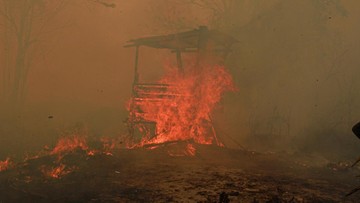
Indonesia's Ministry of Forestry has imposed administrative sanctions on six companies for their involvement in forest and land fires that scorched over 1,500 hectares in Kalimantan. The fires occurred across West, Central, and East Kalimantan, impacting areas managed by these companies.
Five firms were issued government enforcement orders, while PT MPK received a more severe penalty, including the suspension of its business permit. This harsher measure was due to the widespread and repeated nature of fires within its operational zone. The sanctioned companies include PT WEL, PT FI, PT MPK, and PT WSP in West Kalimantan; PT NES in Central Kalimantan; and PT PSR in East Kalimantan.
PT WEL recorded the largest burnt area at approximately 760.51 hectares, followed by PT MPK with 394.83 hectares. The ministry's sanctions followed an oversight of the companies' obligations in preventing and controlling fires. Inspections assessed the readiness of fire control teams, equipment availability, water sources, and early detection systems. Companies are also required to restore vegetation in affected areas, with specific obligations for peatland ecosystems, including hydrological function repair through water management and rewetting.
Director General of Forestry Law Enforcement Dwi Januanto Nugroho emphasized that business permits come with the responsibility to protect forest areas. "Administrative sanctions are used to force improvement, restoration, and compliance. But when criminal elements are found, criminal proceedings continue," he stated. Nugroho added that the impact of these fires extends beyond the companies and affected areas, harming public health, children's education, transportation, and the economy. "Law enforcement must protect the affected community, safeguard public interests and facilities, and ensure state law is upheld, with responsible parties bearing the consequences of their actions."
DistantNews Editorial
Originally published by Republika in Indonesian. Translated, summarized, and contextualized by our editorial team with added local perspective. Read our editorial standards.
More Stories


From Our Blog

What Gets Lost (and Found) When News Is Translated

The Critical Role of Diaspora Media in Global News

What Travellers Should Know About Countries with Restricted Press

A Digital Nomad's Guide to Following Local News

How the Same Story Looks Different in Different Countries
