

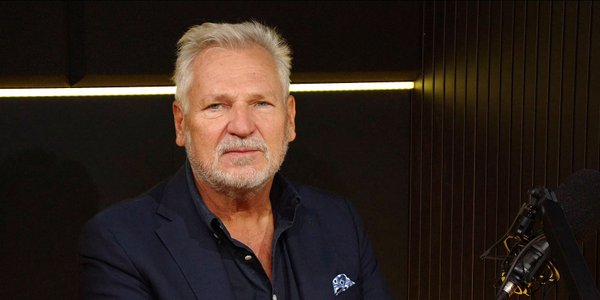
Former Polish President Kwaśniewski: I would apologize again for Jedwabne
Translated from Polish, summarized and contextualized by DistantNews.
At a glance
News
Sources not specified
Context piece
- Former Polish President Aleksander Kwaśniewski stated he would apologize again for the 1941 Jedwabne massacre.
- He acknowledged that while his previous apology caused controversy, it was necessary to express remorse for the actions of Polish citizens against Jewish neighbors.
- Kwaśniewski emphasized that the war and German occupation unleashed such behaviors but did not justify them, noting the role of Polish antisemitism.
Former Polish President Aleksander Kwaśniewski reaffirmed his stance on the 1941 Jedwabne massacre, stating he would apologize again for the event. He first issued an apology in 2001, expressing remorse on behalf of Poles who felt pain and shame for the participation of Polish residents in the murder of Jews.
Yes, I would apologize again for Jedwabne. These words were needed.
Kwaśniewski acknowledged that his earlier apology was controversial, with some Poles distancing themselves from it. He explained that he apologized for those who felt both pain and shame, recognizing that historical events can be viewed differently. He noted that some people deny or suppress painful historical facts, while others confront actions that do not bring glory and serve as a warning.
I apologize on behalf of those in whose hearts there is pain and shame for all that happened then.
He stressed that Jedwabne is a microcosm of broader European wartime tragedies, with similar situations occurring in Ukraine and the Balkans. Reflecting on his presidency, Kwaśniewski believes he acted appropriately at the time, and the ensuing debate served an educational purpose, prompting reflection that history is not purely heroic.
One cannot speak of the state itself. But the murder took place, and it was a murder committed by neighbors, i.e., Polish citizens against Jews, Polish citizens. Poles. Poles drove them into the barn and murdered their Jewish neighbors.
Responding to current views, such as those from the Institute of National Remembrance suggesting the crime was not committed in the name of the Polish state and depended on German occupation, Kwaśniewski clarified that while the Polish state was occupied, the massacre was carried out by Polish citizens against their Jewish neighbors. He stated that war and occupation unleashed such behaviors but did not justify them, and that Polish antisemitism played a role, citing pre-war issues like "ghetto benches" and anti-Semitic publications.
War and German occupation are elements that unleashed such behaviors, but they do not justify them.
DistantNews Editorial
Originally published by Rzeczpospolita in Polish. Translated, summarized, and contextualized by our editorial team with added local perspective. Read our editorial standards.
More Stories
From Our Blog

What Gets Lost (and Found) When News Is Translated

The Critical Role of Diaspora Media in Global News

What Travellers Should Know About Countries with Restricted Press

A Digital Nomad's Guide to Following Local News

How the Same Story Looks Different in Different Countries
